
Is Stem Cell Therapy Good for Glaucoma?
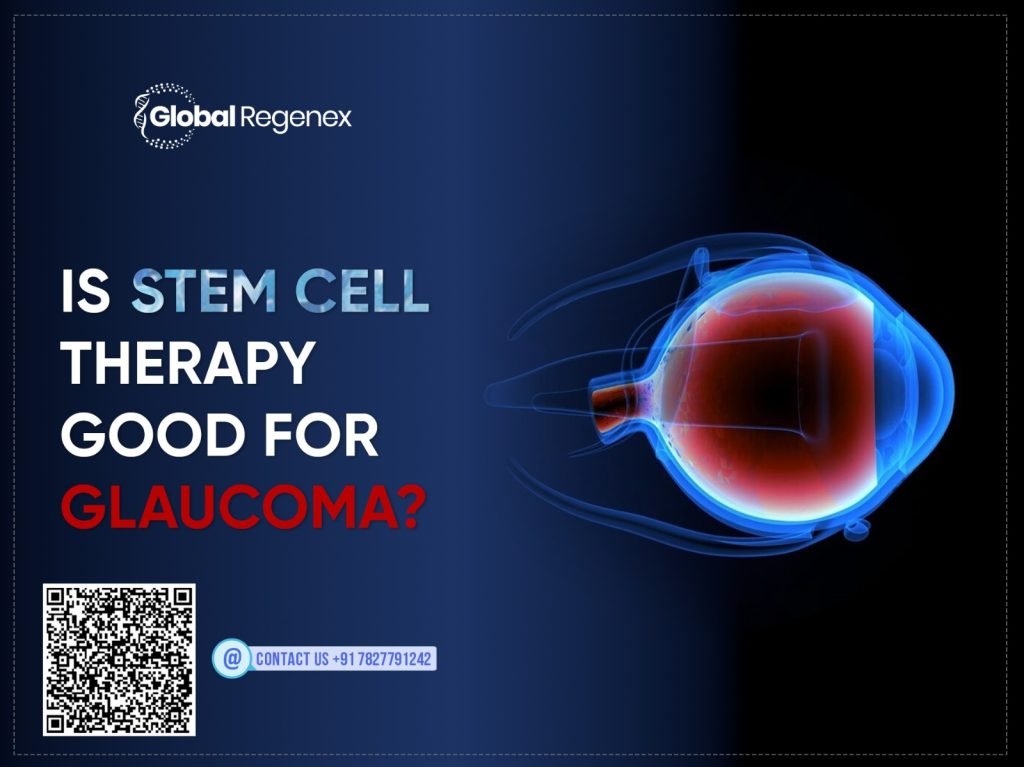
One of the leading causes of blindness in the entire world and affecting millions, glaucoma is a degenerative eye disease, which has been known to damage the optic nerve through high pressures in the eyes. The conventional treatments involved include drops for the eye, laser therapy, and surgery to give symptomatic relief. It cannot reverse or regain any loss of vision caused due to advancing the disease process. This is where stem cell therapy, for example, may be able to do this. What are Stem Cells? These are stem cells that the body can turn into different types of cells, in general, they can fix or replace damaged tissues, which has really fascinated them in regenerative medicine. In glaucoma conditions, it’s critical and crucial because the optic nerve has already been damaged, but there is hope for repairing those damaged nerve cells and perhaps a better chance of restoring vision. How Can Stem Cell Therapy Help in Glaucoma? Stem cell therapy is an idea that aims at using stem cells to repair damaged tissues within the body. For the patients suffering from glaucoma, this means: Regeneration of Optic Nerve Cells: Stem cells may possibly repair the damaged optic nerve, which is the major cause of vision loss in glaucoma. Reduces Intraocular Pressure: Certain kinds of stem cell therapy would control the balance of fluids within the eyes and consequently decrease the level of pressure while slowing down disease progression. Protection of Intact Neurons: By replacing damaged cells, the therapy could subsequently prevent damage caused to remaining intact neurons. Types of Stem Cell Therapies for Glaucoma Glaucoma stem cell therapy, though under experimentation, has shown remarkably good results. Some of the most common approaches are these: Mesenchymal Stem Cells (MSCs): These are acquired from bone marrow or fat tissue. MSCs can regenerate destroyed optic nerve cells and reduce inflammation, giving new hope for eye restoration. Retinal Ganglion Cell Transplants: This is the transplantation of stem cells that are going to differentiate into retinal ganglion cells. Such cells are important for the conveyance of visual information from the eye to the brain, hence this is an important type of transplant for vision recovery. Induced Pluripotent Stem Cells (iPSCs): These are adult cells reprogrammed to behave like embryonic stem cells. They are promising candidates for the generation of new retinal cells, which will be revolutionary for glaucoma patients. Advantages of Stem Cell Therapy for Glaucoma Restoration of Lost Vision: Unlike other treatments that only control symptoms, stem cell therapy provides a chance to regain lost vision. Less Invasive Than Surgery: In most cases, stem cell therapy is less invasive than surgery. Longer-Term Results: Since it replaces damaged tissues, stem cell therapy can be more long-term compared to other treatments. Minimal Side Effects: As stem cells are taken from the patient’s body, the chances of rejection or side effects also diminish. The Final Thoughts Stem cell therapy might be the hope for glaucoma patients to recover their optic nerve cells, which could help them recover their vision. Global Regenex can help you get into this new treatment and find out if it is your best option. Although more research is necessary for its use in public, the future seems hopeful. Consult Global Regenex to explore your options for a healthier, clearer tomorrow.
Is Immunotherapy for Cancer Successful?

Among all the diseases under treatment these days, cancer takes the biggest challenge to kill millions of lives around the world. Some of its traditional methods of treatment through chemotherapy, radiation, or surgery, but recent scientific discoveries introduced a very good treatment in the form of immunotherapy. This innovative approach tries to utilize body immunity in order to face the killing of cancer cells which gives new hope even to hopeless patients who were not responsive to the traditional system of treatments. But how successful is cancer immunotherapy? Let’s go through some of the promises, the advantages, and why getting in touch with a pro, such as Global Regenex experts, when finding the existence of the new form of cancer treatments, and immunotherapies, which may include among others stem cell therapies. Immunotherapy for Cancer: What Is It? Immunotherapy is the treatment of cancer using one’s own immune system to detect, fight, and destroy cancerous cells. The body is made to differentiate normal cells from cancerous ones through the use of immunotherapy. Unlike chemotherapy, immunotherapy does not kill the cells but tries to teach your immune system to destroy cancerous cells. Such an immune system can learn and memorize particular threats to have a long-lasting control of cancers. There are several types of immunotherapy used for the treatment of cancer. They include: Checkpoint Inhibitors: These drugs block the proteins that check the activity of the immune system. Such checkpoints need to be inhibited for the immune system to function more effectively at targeting the cancer cells. CAR T-cell Therapy: A patient’s drawn T-cells are reprogrammed in the laboratory to better recognize cancer cells and readministered to the patient’s body. Cancer Vaccines: These are therapeutic vaccines. The goal is to stimulate the host’s immune system to recognize and destroy the cancerous cells. Immune System Modulators: These drugs increase the receptiveness of the immune system to cancerous cell actions. They can contain some interleukins or even interferons, the modulators of the human immunity response. Success Rate of Immunotherapy in Cancer Treatment There have been a number of people suffering from cancer, and various kinds of it. Immunotherapy has been shown to have results for many such patients suffering from different cancers. Primarily, immunotherapy has been effective with cancers resistant to other treatment types. Specifically, advanced melanoma, lung cancer, as well as some blood cancers like leukemia and lymphoma, have all benefited several patients. Here is how it has performed with each type of cancer: Melanoma: One of the major areas where improved outcomes have been seen is in immunotherapy. There are some patients who experienced complete remissions, such that no cancer can be detected in the body anymore. Lung Cancer: It is indeed true that the drugs pembrolizumab and nivolumab, under the umbrella of immunotherapy, have had phenomenal success in treating non-small cell lung cancer. In fact, it may actually increase survival chances by thousands of times for patients for whom it can be prescribed, especially in combination with other therapies. Blood Cancers: Successful instances of CAR T-cell therapy have been found for treatment in a few types of leukemia and lymphoma cases. Even the highest remission response rates have also been noticed with long remissions in a few cases. Success depends on the nature and extent of cancer, specific immunotherapy, and a patient’s general health condition. Immunotherapy does not work in every patient; also, responses are not identical. There are some with a clear reduction in the size of the tumor or with complete remission, and then there are those who have less satisfactory response or who become worse with recurrence. Putting All Together Immunotherapy indeed brought a paradigm shift under which we treat cancer. In fact, it brought hope to patients who might have otherwise less responsive treatments. Its efficiency has been proved in many cases, including killing cancerous cells with the employment of the immune system of the body. It is constantly researched and studied. Immunotherapy is not a panacea, but for many patients with cancer, it means extended survival time and enhanced quality of life. With these professionals in regenerative medicine from Global Regenex , one can easily get consulted through access to new treatments, such as immunotherapy and the application of stem cells.
What Is the Success Rate of Stem Cell Transplant With Lymphoma?
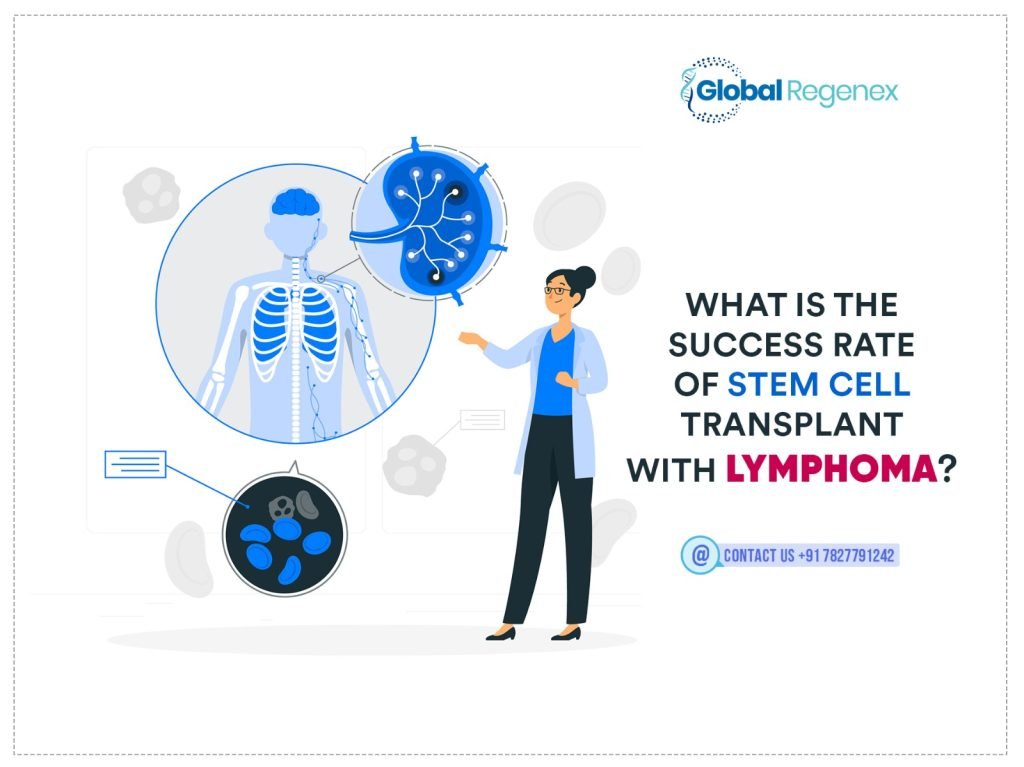
Lymphoma is a form of blood cancer targeting the lymphatic system in the body. It is a part of a patient’s immune system and has notoriously been difficult to treat, though there has been indication that stem cell transplant may now hold some promise. In this blog, we will discuss how successful stem cell transplants are in treating lymphomas, the types of transplants, and how Global Regenex can help these patients using the help of stem cell therapy. Overview Stem Cell Transplants This process of replacing the diseased or damaged bone marrow with healthy stem cells is known as a stem cell transplant or a bone marrow transplant. Later on, the stem cells differentiate into any kind of blood cell to rebuild the patient’s blood and immune system. There are two major types of stem cell transplants that are used in the treatment of lymphoma: Autologous Stem Cell Transplant: This procedure involves the collection of stem cells from the patient who is then preserved and later reinfused with such cells after intensive chemotherapy or radiation therapy. It is performed in patients with recurrent or refractory lymphoma. Allogeneic Stem Cell Transplant: It is the use of stem cells from a donor. The donor can be either a sibling or an unrelated matched donor. Allogeneic transplants are usually considered in aggressive lymphoma patients who still respond to chemotherapy. Benefits of Lymphoma Stem Cell Transplants Improved Remission Outcomes: The success rate of long-term remission is relatively high, especially in aggressive or refractory cases of lymphoma with stem cell transplants. Improved Quality of Life: Restoration of normal blood cells in the body improves the quality of life of a patient afflicted with lymphoma. Potential Cure for Some Patients: Some patients, particularly those with resistant types of lymphoma, may find in a successful stem cell transplant a way toward a possible cure. Less Chance of Recurrence: Transplantation after chemotherapy or radiation can lower the chances of lymphoma returning, and this might be a good thing for patients and their loved ones. Access to Expert Care: A consultancy firm like Global Regenex introduces the patient to specialized professionals who can help resolve the complexity of issues that surround the use of stem cell therapy. Successful Rates of Lymphoma Patients Undergone Stem Cell Transplant The success rate of lymphoma for stem cell transplantation differs in many factors. Such factors include the type of lymphoma to be treated, the patient’s general health conditions, and the type of transplant involved. The following statistics and insights point out some of the essential parameters: This usually ranges from 40% to 60% based on the specific subtype of lymphoma and response to the prior treatments. Remission and survival may also be improved by autologous transplants. The success rate for allogenic transplants is about 30% to 50%. In other words, while in certain cases the chances for successful transplants may be more likely, this transplant often carries a higher risk of complications due to GVHD and other conditions. Factors Influencing Success Rates Age and General Health: Success rates are higher for younger patients and those in good health. Stage and Type of Lymphoma: Success rates differ depending on whether the lymphoma is Hodgkin or non-Hodgkin, and whether it’s aggressive or indolent. Response to Prior Treatments: The patients who respond well to the initial treatment do relatively better in transplants. Donor Match: The allogeneic transplants rely on the match between the donor and the patient. The Concluding Thoughts Stem cell transplantations bring along good hope for the treatment of patients afflicted with lymphoma. Chances for remission are higher in this case and survival rates can be increased to a level. There are several factors that influence success rate, primarily, the type of lymphoma the patient is suffering from and the level of health in the patient. With Global Regenex, the patient can discuss his options and receive personalized guidance and an avenue to the latest updates in stem cell therapy. Contact us to learn more about a stem cell transplant and all they can do to help in treating this severe form of lymphoma, we all are closer to one bright future together.
What Is the Success Rate of Autologous Stem Cell Transplant?
The use of autologous stem cell transplants is a kind of treatment that reconstructs or revitalizes diseased tissue with the use of a patient’s own stem cells. The opposite of this, though, is allogeneic transplantation, wherein stem cells are collected from the donors. Thus, the direct use of stem cells from the patient’s body excludes the possibility of the phenomenon of immune rejection which, in turn, makes autologous stem cell transplants more popular and potent. We will discuss the efficiency, process, and successful rate of autologous stem cell transplant and emphasize this blog about Global Regenex company being considered one of the best consultancy firms in the world doing stem cell therapy. What Is an Autologous Stem Cell Transplant? An autologous stem cell transplant is a procedure whereby cells from a patient can be taken, frozen, and later infused back into the patient in order to help repair the tissues and also augment the production of blood cells following intense treatments. These kinds of cells are, however very effective for treating diseases like lymphoma, leukemia, and multiple sclerosis, among others, because there will be regeneration and differentiation into other types of cells. This procedure helps those patients who receive high-dose chemotherapy or radiation treatment as these therapies tend to kill healthy bone marrow cells, necessary for the formation of blood cells. So, the reinfusion of stored healthy stem cells restores patients back to normal with fewer complications and allows their body’s immune system to start functioning normally. The Success Rate of Autologous Stem Cell Transplants The rate of success in the autologous stem cell transplant is variable, depending on many elements, including the patient’s condition, age, and overall health. In most cases, autologous stem cell transplants have significant success rates, primarily when treating blood-related cancers and multiple myeloma. These are the effectiveness and success rates for each condition. Lymphoma and Multiple Myeloma Scientific research has revealed that ASCT outcomes are much better than ever since it has led to remission in 50-70% of all the diagnosed patients with multiple myeloma and 40-60% of all the patients having other diagnoses. The improvement in the five-year survival rate of diagnosed multiple myeloma patients when autologous transplants are received has, on the other hand, been substantially prompted by the advancement that has been witnessed in stem cell technology and care support in the last ten years. Non-Hodgkin’s Lymphoma (NHL) These patients have also greatly benefited from autologous stem cell transplants, having up to 50% success rates in some studies. ASCT is definitely among the best treatments to induce remission in aggressive NHL. Autoimmune Diseases Although much rarer, ASCT is also used in the treatment of autoimmune diseases, including multiple sclerosis. For such diseases, ASCT can be useful to “reset” the immune system, an enormous hope for patients not responding to the standard treatments. The rates of success are encouraging in that several patients presented symptoms of regression and longer-lasting remissions. Degenerative Diseases Time-wise, autologous transplants are increasingly used to treat degenerative diseases like osteoarthritis and spinal cord injuries. Although clinical trials are still in progress, most patients have experienced improvements in their quality of life, reduced pain, and greater mobility following ASCT. The success rate may differ from patient to patient, research is continually being done on the long-term outcomes. Advantages of Autologous Stem Cell Transplants Lower Immune Rejection: Since the stem cells used are derived from the individual’s own body, the chances of immune complications are decreased. High Success Rate of Specific Diseases: Autologous stem cell transplant proves to be very effective with blood-related cancers and there is a high rate of cure for remission. Personalized Therapy: The patients are subjected to a therapy suited according to their specific health issues. Faster Recovery: Autologous stem cell transplant tends to reduce the time for recovery since it allows the body to recover healthy blood cells much faster. Long-Term Benefits: Patients tend to be in remission for more extended periods with improved quality of life after undergoing autologous stem cell transplant. Final Verdict With advancements in the technology of stem cells, the success rate of ASCT continues to improve and offers patients hope for a more extended remission and quality of life. Global Regenex offers trusted consultancy services to guide patients through the complexities of stem cell therapy and help them explore the best treatment options tailored for them. If you or a loved one is considering an autologous transplant, then consultation with Global Regenex may be a very useful step toward effective, customized care.
What Is the Cheapest Country for Stem Cell Therapy?
Stem cell therapy and the opportunity it offers to treat chronic diseases, injuries, and degenerative disorders using the regenerative power of the body to heal damaged tissues are significantly modifying the existing scientific comprehension of disease. Although many of these procedures are prohibitively expensive in most parts of the world, India has emerged as a leader in offering affordable high-quality stem cell therapy, including bone marrow transplant. This blog explains why India is the destination of choice for low-cost treatments and also how Global Regenex can help you in this journey. Understanding Stem Cell Therapy and Transplants This ability to develop into different types of cells is one of the characteristics making stem cells unique, promising a treatment approach for such conditions as spinal injuries, neurological disorders, and autoimmune diseases. A stem cell transplant of bone marrow is used when damaged or diseased cells are replaced with healthy, functional cells. It’s especially helpful in patients with cancers, blood disorders, and certain genetic conditions. Stem cell transplantation, also known as bone marrow transplantation, is the administration of cells to a recipient or from the recipient’s body to produce normal blood cells. It has become a widely used treatment for those that are afflicted with leukemia and lymphoma as well as many other diseases which affect the blood. Although versatility and high success rate have always made stem cell therapy highly desirable, in the United States and most of Europe, it is simply too expensive. Types of Stem Cell Treatments Offered in India India provides a range of stem cell therapies that are simple to complex treatments: Orthopedic Stem Cell Therapy It is applicable in conditions such as osteoarthritis, ligament injury, or degenerative disorders within the joints. The rehabilitation of joint mobility is orthopedic stem cell therapy that involves regenerating the damaged tissues and inflammation. Neurological Stem Cell Therapy This also includes repairing or replacing damaged neural cells, which might retard the progression of diseases such as Parkinson’s, Alzheimer’s, and multiple sclerosis in those affected. Bone Marrow Transplant The bone marrow transplant process in India is very successful in blood conditions like leukemia and lymphoma. It makes use of stem cells, and the cost is much lower than in other countries; this implies more number of patients can avail of these treatments. Stem Cell Therapy for Autoimmune Diseases The promising treatment has significantly improved the quality of life in patients whose pathophysiology is dominated by autoimmunity, for example, in many diseases like lupus and rheumatoid arthritis. Why India is the Most Affordable Country for Stem Cell Therapy? India has emerged as the best destination for economic healthcare, and stem cell therapy is no exception. Here are some key reasons why India stands as the best destination for individuals seeking affordable yet quality stem cell treatments: Lower Treatment Costs: There are different kinds of stem cell treatment available in India at much cheaper than in Western countries. World-Class Medical Facility: They have advanced health infrastructure with state-of-the-art technology and international accreditation. Highly Experienced Medical Professionals: Doctors have worldwide training experience and high success rates in stem cell procedures. Faster Access to Treatment: Shorter waiting times, especially useful in more urgent conditions. Comprehensive Patient Care and Support: India provides from consultation to follow-up, and offers translators and personalized care plans. Final Thoughts India has emerged as one of the centers that will provide inexpensive yet high-class stem cell therapy all around the world. Low-cost treatments along with high-class medical facilities along expert professionals ensure that the best results of advanced treatments are achieved in procedures like stem cell transplant and bone marrow transplants. Guidance from Global Regenex helps patients with intentions of stem cell therapy in selecting trusted medical professionals and facilities to ensure the safety and effectiveness of the treatment. Choosing India for life-altering medical care without breaking the bank may be the best decision.
What Are the Advantages of Stem Cell Therapy?
This is a promising, revolutionary medical treatment meant to bring hope to sufferers from chronic diseases or injuries. Indeed, such a treatment has the potential to slow or reverse the advancement of diseases by potentially reversing damage. A huge flexibility in stem cells has made some very great gains in treatments, including those through stem cell and bone marrow transplant. This option should be sought after with the help of consultancies such as Global Regenex by patients. Read through the many benefits of this therapy and how it’s changing the face of health care. What Are Stem Cells? These cells are the raw materials in the body, which through division and differentiation under suitable conditions, give rise to all other cells that assume a specialized function, like muscle, nerve, or blood cells. This property renders them invaluable for regenerative medicine, as they might replace or repair damaged tissues in various organs and systems. Stem cell therapy involves the application of stem cells or a product derived from stem cells directly into damaged tissue, with the objective of harnessing the regenerative power to help the body heal by restoring normal function. Classification of stem cells includes Adult Stem Cells: These are found in tissues like bone marrow and fat tissues, which help in the repair and regeneration of tissues. Induced Pluripotent Stem Cells (iPSCs): Made from adult cells, iPSCs can be differentiated into any cell type, even like embryonic stem cells. Benefits of Stem Cell Therapy Stem cell therapy offers several benefits in a wide range of medical conditions, hence ranking among the most versatile treatments in regenerative medicine. Potential to Treat Variety of Conditions There has been continued research into stem cell therapy for neurodegenerative diseases like Parkinson’s and Alzheimer’s, orthopedic injuries, cardiovascular diseases, and autoimmune disorders. Perhaps one of the most intriguing applications of stem cell transplants relates to treatments of diseases associated with blood, such as leukemia, lymphoma, and any kind of cancer. Enhanced Healing & Tissue Regeneration Stem cells might differ in the type of cells needed for restoration to any site of damage or degeneration. When delivered at the site of damage or degeneration, then stem cells can quicken restoration by the body. For instance, the MSCs were shown to reduce inflammation and assist in promoting restoration within damaged tissues, especially within conditions such as arthritis or even injury to the joint. Patients will feel immense pain relief plus very significant mobility following the procedure for their treatment using the application of stem cell therapy upon the joints and cartilage. Reduce Need for Invasive Procedures Alternative treatment by means of using stem cell therapy for some patients could well be far from a surgical intervention concerning the problem of health ailments that need treatment. These patients who could have otherwise used knee or hip replacements may owe tremendous relief due to injections containing stem cells. Patients who opt for stem cell therapy may escape the long recovery periods potential complications and high prices that accompany surgery. Potential to Overcome Organ Transplant Shortages Organ transplants are currently in a shortage because demand is more than supply, and thousands of patients are on waiting lists for life-saving procedures. Stem cells can regrow tissues and promise to even create organs inside the lab, which may become part of the solution toward possible uses. This area remains still largely experimental, and the recent advancements in stem cell therapies will eventually pave their own paths for patients looking for such a transplant. Organ transplant risks are removed significantly with this approach because, since the cells derived in such an approach can originate in a patient’s own body or tissue, they completely adapt to the body. Treating Cancer with Bone Marrow Transplantation A form of stem cell transplant utilized to treat leukemia, lymphoma, and other blood-related cancers is a bone marrow transplant. It is a medical treatment that replaces the patients’ damaged or destroyed bone marrow with healthy stem cells, thereby allowing them to rebuild their blood and immune cells, which would ultimately help them fight cancer aggressively. The Bottom Line New hope in combating diseases with no cure is now offered by advancements in healthcare through the therapy involving stem cells. This may be through efficient repair of tissues, reduced need for surgical intervention, and potential capability to treat cancer. It may be a stem cell or bone marrow transplant, and patients can find the right consultancy to work with so they can get the best options and comprehensive support on this journey. The future of regenerative medicine is bright, and stem cell therapy leads the way, offering hope and healing to countless people worldwide. To learn more about stem cell therapy consult with our regenerative medicine expert at Global Regenex.
Parkinson’s Disease

Disease: Parkinson’s Presenting Illness: A 62 year old male patient, Known case… Read More November 22, 2024 Parkinson’s Disease Angela From UK Came India for Stem Cell Treatment of Parkinson’s Disease Angela, my 59-year-old mother from UK showed the symptoms of… Read More November 22, 2024 Parkinson’s Disease Phil Came to India for Treatment of Parkinson’s Disease Just about 7-8 years ago, the neurologist at the hospital… Read More November 22, 2024 Parkinson’s Disease Charles Stemen from Australia Came India for Stem Cell Treatment of Parkinson’s Disease Charles Stemen from Australia came to India for his mother’s… Read More November 22, 2024 Parkinson’s Disease Azhar Visited India for Getting Stem Cell Parkinson’s Disease Treatment I am Azhar and some years ago, in 2001, I… Read More November 22, 2024 Parkinson’s Disease Mr. Thomas Jones from USA – Parkinson Patient Story Mr. Thomas Jones 60 years old suffering from Parkinson Disease… Read More November 22, 2024 Parkinson’s Disease Janet from Dubai came to india for stem cell treatment of Parkinson’s disease I am Janet and until few months, was a sufferer… Read More November 22, 2024 Parkinson’s Disease Load More
Stem Cell Treatment Patient Stories
Amyotrophic Lateral Sclerosis
Amyotrophic Lateral Sclerosis
Stella from Brazil Came India for Stem Cell Treatment for ALS Stella, a 48-year-old patient from the Brazil, got stem cell… Read More November 22, 2024 Amyotrophic Lateral Sclerosis Julie From United States Came India for Stem Cell Treatment of Amyotrophic Lateral Sclerosis Julie was diagnosed with ALS while in the United States…. Read More November 22, 2024 Amyotrophic Lateral Sclerosis Mr. Angad from Norway Came to India for the Treatment of ALS 57 year old, Mr. Angad was a nobleman and had… Read More November 22, 2024 Amyotrophic Lateral Sclerosis Jossie from Australia Came India for Stem Cell Treatment for ALS Jossie, 34 from Australia was detected with ALS. She tried… Read More November 22, 2024 Amyotrophic Lateral Sclerosis Noah Woods, 47 year old American Came India for Stem Cell Treatment of Amyotrophic Lateral Sclerosis Noah Woods, a 47-year-old American patient was spotted with Amyotrophic… Read More November 22, 2024 Amyotrophic Lateral Sclerosis Noah Woods, 47 year old American Came India for Stem Cell Treatment of Amyotrophic Lateral Sclerosis Noah Woods, a 47-year-old American patient was spotted with Amyotrophic… Read More November 22, 2024 Amyotrophic Lateral Sclerosis Mr. Bilal from Pakistan Came to India for ALS Treatment Mr. Bilal, 62 years from Peshawar Pakistan was a healthy… Read More November 22, 2024 Amyotrophic Lateral Sclerosis Paul from USA came to india for stem cell treatment of ALS My father, Mr. Steve Mathews was suffering from ALS disorder…. Read More November 22, 2024 Amyotrophic Lateral Sclerosis Load More Categories Amyotrophic Lateral Sclerosis (8) Autoimmune Disease (1) Autologous Stem Cell Transplant (1) Blog (9) Bone Marrow Transplants (3) Brain Injury (1) Diabetes (1) Immunotherapy (4) Knee Injuries (1) Lymphoma (1) Osteoarthritis (1) Parkinson’s Disease (7) Stem Cell Therapy (2) Stem cell treatment (4) Stem Cell Treatment Patient Stories (2) Recent Posts
Parkinson’s Disease
Overview Symptoms Types Causes Diagnosis Treatment Procedure Implantation FAQ Improvements Mechanism Our Promise Cost Success Rate Advantages Quality Control Treatment Results Testimonials Quality Certificate Follow up Trеatmеnt Disclaimеr Parkinson’s disease happens when there is a problem with certain nerve cells in the brain. This disease affects the way you move because of inadequate production of dopamine, which is an important chemical that sends signals to the part of the brain that controls movement. Parkinson’s is a progressive disease whose symptoms take few years to surface. Parkinson’s is an illness that affects the central nervous system with a direct blow on the brain, and spinal cord and usually only affects adults. More specifically, this disease damages a group of nerve cells in the deepest part of the brain called the Basal Ganglia. There are quiet a few reasons leading to Parkinson’s disease, including aging and poisons in the environment. To cure Parkinson’s disease, stem cell treatment is highly popular. These nerve cells make and use a brain chemical called dopamine to send messages to other parts of the brain to coordinate body movements. When someone suffers from Parkinson’s disease, the dopamine levels are low. So, the body doesn’t get the right messages required to move normally. About 1 million people in the United States alone have Parkinson’s, and both men and women can be affected by it. It usually affects the elderly population someone older than 50 and it becomes common as people get older. Many people wonder if you’re more likely to inherit the Parkinson’s disease due to hereditary or not. The role that heredity plays isn’t completely understood, however, if someone has a close relative with Parkinson’s the chances of developing the disease becomes very high. But Parkinson’s disease is not transmittable. You can’t get it by simply being around someone who has it. An effective Parkinson’s disease stem cell treatment in Delhi, India that StemCellCareIndia offers can prove to be a boon for you. The four main symptoms of Parkinson’s are: Slow movement Problems with balance or walking Stiff muscles Tremor, which essentially means shaking or trembling. Tremor may affect your hands, arms, or legs. The symptoms of Parkinson’s disease include tremors or trembling (shaking hands are often the most telltale signs of Parkinson’s, including difficulty in maintaining balance and coordination; trouble standing or walking; stiffness; and general loss in swiftness. Over the years, a person with Parkinson’s may have trouble smiling, talking, or swallowing. Their faces may appear flat and expression less, but people with Parkinson’s have feelings – even though their faces don’t always show it. Sometimes people with the disease can have trouble with thinking and remembering, too. Stem cell treatment for Parkinson’s is quiet popular and effective. Because of problems with balance, some people with Parkinson’s frequently loose balance and fall, which can result in broken bones. Some people with Parkinson’s may also feel sad or depressed and lose interest in the things they used to do. The symptoms of Parkinson’s disease appear gradually and get worse over time. But because Parkinson’s disease usually develops slowly, most people who suffer from it can live a long and relatively healthy life. Parkinson’ disease stem cell treatment in India is popular and trusted. Parkinson’s disease is a condition that makes it difficult to control one’s movement and get things done. It can be challenging because of its progressive nature and its challenges. It’s thought to affect about 1% of the population over 65 years of age. Parkinson’s disease (PD) has several forms, including the following: Idiopathic Parkinson’s disease: Idiopathic Parkinson’s disease is the most common type of this chronic movement disorder, an illness that usually affects older individuals, with an average age of onset around 60 and its causes are unknown, generally assumed to be a mix of genetic and environmental factors. Juvenile and early-onset Parkinson’s disease: These two forms are considerably similar to each other with the only difference being the age difference. Juvenile PD affects people before the age of 21 while people between 21 and 40 when diagnosed are stated as those affected by Early-onset or young-onset PD. This form of PD is rare and has similar symptoms to that of Idiopathic PD with the difference that it has a slow progressive rate and its symptoms are a bit more extreme due to the patient being in the prime of his/her life. Multiple system atrophy: It is a neurodegenerative disease resulting from the loss of nerve cells involved in regulating movement and the autonomic nervous system. MSA is characterized by the presence of clumps of alpha-synuclein protein in glial cells and not nerve cells. In most cases of MSA, people experience problems with speech and sleep as well as uncoordinated movements that progressively worsen as time goes on. These symptoms typically appear at around the age of 50. Progressive Supranuclear Palsy (PSP): Progressive supranuclear palsy, also called Steele-Richardson-Olszewski syndrome, is an uncommon parkinsonian syndrome. It can be seen manifesting in adults over the age of 50. It progresses much more rapidly than Idiopathic Parkinson’s and shows specific signs like rigidity, bradykinesia (slow movements), and postural instability. The differences between PSP and Idiopathic PD are based on their supranuclear involvement in the cortical brain regions related to coordination of movement, and sequencing activities in the central nervous system to initiate proper muscle movement. Drug-induced Parkinson’s: Drug-induced Parkinsonism is the second most common cause of Parkinsonism. It can occur when a drug interferes with dopamine transmission in your body. The risk of getting it increases as you age. According to research published in Movement Disorders, researchers found the average age of onset for drug-induced Parkinsonism was 70. Corticobasal syndrome: It is also one of the rare types of Parkinson’s disease and it is the result of the build-up of Tau, a type of protein in one’s brain. Its symptoms could be muscle stiffness, improper limb control on one side of the body, tremors, slow or slurry speech, dementia, swallowing issues, etc. Vascular Parkinson’s: Vascular Parkinsonism occurs when small strokes make