
How India Is Emerging as a Global Hub for Stem Cell Therapy
Summary: India has rapidly evolved into a global destination for advanced medical care, especially in regenerative medicine. With cutting-edge research, affordable healthcare, and highly skilled professionals, the country is redefining how the world views stem cell therapy. Patients from across the globe are choosing India for safe, effective, and compassionate treatment options. Stem cell treatment is one of the most notable innovations in the healthcare field, which has made a big impact on the medical world. It opens a new horizon for people who suffer from long-lasting, deteriorating diseases or conditions that are difficult to treat. The question of how and where people can get the right and cheapest stem cell treatment is becoming louder if not answered. The solution is pointing towards India in more and more cases. Supported by its medical precision, avant-garde, and patient-friendly approach, India is gaining ground as the international center of stem cell therapy. What Is Stem Cell Therapy? Stem cell therapy is one of the regenerative medicine methods that involves the use of the body’s natural repair mechanisms to renew damaged tissues or organs. Stem cells are specially equipped to change into different cell types – for example, bone, nerve, or muscle – thus making them a crucial source for the process of healing and recuperation. Next are the health problems where this therapy has given positive results: Arthritis and Joint pain, Spinal cord injuries Parkinson’s disease and other neurological disorders Diabetes Heart diseases Developmental delay and cerebral palsy Stem cell therapy, by alleviating the main cause instead of just symptoms, brings about lasting regeneration and a better quality of life. Why Is India Becoming the Perfect Destination for Stem Cell Therapy? Here are some reasons why India is considered a global hub for stem cell treatment: Advanced Medical Infrastructure There are few countries as well-endowed as India with state-of-the-art hospitals and the latest cutting-edge technology in the field of regenerative medicine. These healthcare centers are equipped with advanced laboratories, sterilized cell-processing units, and equipment that meets international standards, which assure patient safety and the highest quality of clinical services. World-Class Expertise Medical doctors and research workers hailing from India are educated and trained abroad with worldwide standards, are science consummates, and have been prepared in the top global research centers for regenerative medicine. The specialists’ knowledge enables them to provide procedures that are at par with global benchmarks while at the same time keeping a personalized approach for the individual patient. Affordable Treatment Costs Among the various factors that attract medical tourists to India, the aspect of affordability is the most outstanding one. The cost of stem cell therapy in India is substantially lower than in other Western countries. In most cases 60–80% cheaper, but the quality remains the same. This saving allows patients to avail themselves of the highest healthcare that is usually out of their financial reach Government Support and Ethical Regulations The government of India has put in place a set of regulations, guidelines, as well as an enforcement mechanism to ensure healthy and ethical stem cell research. Besides the Indian Council of Medical Research (ICMR), other institutions help guarantee that scientific treatments that align with the approved protocols are the ones accessible to patients. Growing International Patient Footfall Each year, thousands of patients from the USA, the UK, the UAE, and African countries arrive in India to avail of state-of-the-art regenerative treatments. Along with the ease of communication, India has an English-speaking medical staff and a transparent medical process, which has made it a trustworthy medical tourism destination. Conditions That Can Be Treated Through Stem Cell Treatment in India Stem cell therapy in India is being successfully used to treat a wide range of conditions, including: Orthopedic Issues: Arthritis, sports injuries, cartilage damage Neurological Disorders: cerebral palsy, spinal cord injuries Autoimmune Diseases: multiple sclerosis, lupus, rheumatoid arthritis Cardiovascular Diseases: heart failure, peripheral artery disease Anti-Aging and Skin Rejuvenation: natural cell regeneration for youthful vitality Each treatment is customized to the patient’s health condition, ensuring a tailored, effective recovery plan. The Role of Research & Innovation in India Now, the medical community of India is pushing regenerative research to higher levels through various clinical trials and biotech innovation. The treatments are getting more accurate and reliable with the use of technologies like AI-based cell analysis and automatic processing. Such continuous development makes India remain a global leader in stem cell technology. Why Patients Trust India for Stem Cell Therapy? People from different countries are still going to India for a trip to a hospital, and the top three reasons for that are the following: High Success Rates: Effective results for many kinds of chronic diseases over the years have been recorded. Compassionate Care: Besides accuracy in medicine, Indian healthcare providers also show attention with their kindness and empathy. Medical Tourism Support: They get help with their whole journey, going from the time they apply for the visa until the time they leave the hospital. To Bring It All Together India stands out as a global leader in stem cell therapy, combining innovation, affordability, and compassionate care. For those seeking cutting-edge treatment, Global Regenex offers expert guidance, personalized treatment plans, and empathetic support, ensuring every patient’s recovery is safe, smooth, and successful. Begin your journey toward healing with confidence and care today. Frequently Asked Questions(FAQs) Q1. Why is India considered a top destination for stem cell therapy? Ans. India offers advanced technology, skilled specialists, ethical practices, and affordable treatment compared to Western countries. Q2. What conditions can stem cell therapy treat in India? Ans. Common treatments include orthopedic issues, neurological disorders, autoimmune diseases, cardiovascular conditions, and regenerative/anti-aging therapies. Q3. Is stem cell therapy safe in India? Ans. Yes. Treatments are conducted in ICMR-approved and GMP-certified facilities, ensuring safety and ethical compliance. Q4. How can Stem Cell Care India assist international patients? Ans. They provide expert consultation, personalized treatment plans, and support for travel, accommodation, and post-treatment follow-up.
Comparing PRP vs Stem Cell Therapy: What’s Right for You
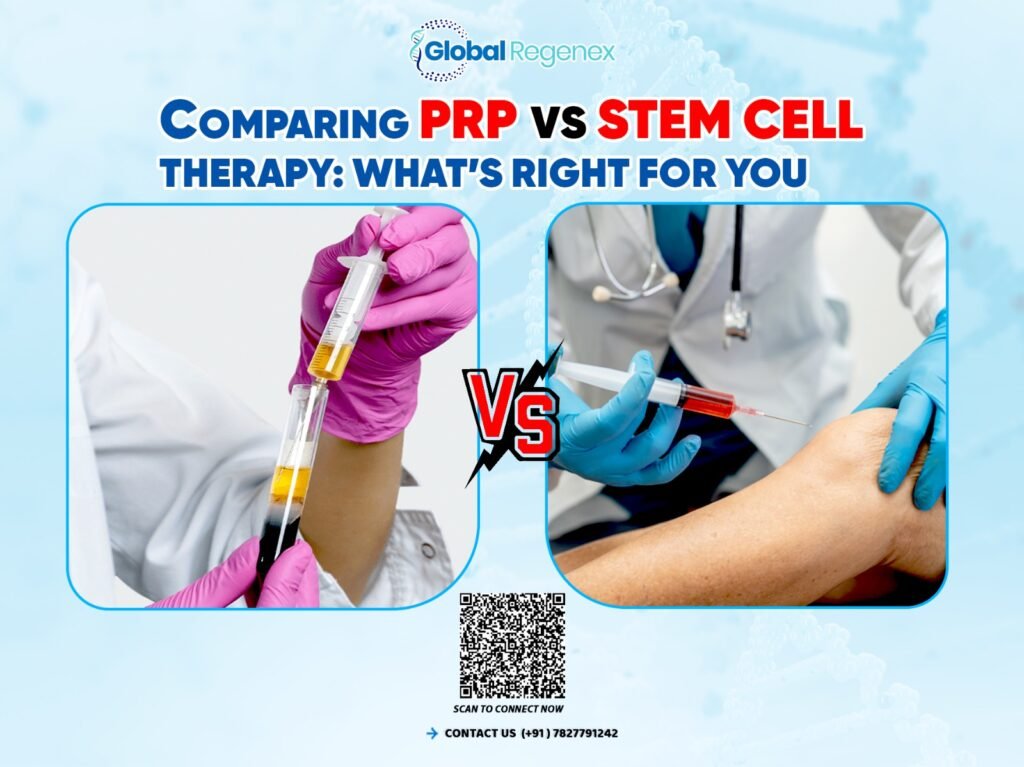
Summary: Regenerative medicine is changing how we heal from injuries, arthritis, and chronic pain. PRP (Platelet Rich Plasma) therapy and stem cell therapy are two of the most requested treatments today, and both treatments’ mechanisms require the stimulation of your body’s natural healing process. PRP activates the healing process by amplifying tissue repair through growth factors. Stem cell therapy goes a step further by regenerating new tissues and repairing damaged tissue. Understanding how PRP and Stem Cell Therapy differ will help you decide which is better for your condition. Have you ever questioned why your joint pain, sports injuries, or chronic inflammation continue to recur despite professional management and care? Advanced regenerative medicine provides a solution in the form of PRP and Stem Cell Therapy, both of which utilize components of your own cells to naturally heal and regenerate damaged tissues. PRP and stem cell therapy are similar concepts, but they have different complexities and address different needs. Whether to utilize PRP or Stem Cell therapy depends on your diagnosis, the severity of the condition, and your goals of healing. Let’s look at how they work, their advantages, and what might be best for you specifically. What Is PRP Therapy? The Platelet-Rich Plasma therapy will take the blood from the patient through pricks, put the blood samples in the centrifuges to separate the platelets, and then inject the concentrated platelet plasma into the injured area. Platelets are loaded with growth factors — endogenously produced proteins that trigger tissue healing, resolve inflammation, and trigger collagen synthesis. Common Uses for PRP Treatment: Early osteoarthritis and joint ache Tendinopathy or ligament sprains (such as tennis elbow Hair restoration for thinning hair Rejuvenation and anti-aging treatment for the PRP is less invasive, safe, and effective for mild to moderate diseases where the body still possesses enhanced healing capability. Understanding Stem Cell Therapy The stem cell therapy does one better than the PRP. Whereas the PRP encourages healing, the stem cell therapy actually builds new tissue. Stem cells are unique cells that have the ability to be reprogrammed into other cell structures, like bone, muscle, cartilage, or nerve cells, to replace one’s that have been damaged. These come from the bone marrow, the fat tissue (adipose-derived), or the umbilical cord. Following transplantation to the injured site, the stem cells will get to work repairing tissue, restoring function, and reducing inflammation. General Use of Stem Cell Therapy: Progressive diseases and degeneration of joints Spinal injury and neurologic damage Diabetic ulcers or foot ulcers Autoimmune diseases and neurologic diseases Key Difference Between PRP and Stem Cell Therapy Feature PRP Therapy Stem Cell Therapy Source Patient’s own blood. It can be derived from bone marrow, fat tissue, or umbilical cord. Main Function It boosts natural healing Regenerates damaged cells. Best Suited For Mild to moderate conditions. Severe or chronic conditions. Duration of Result Short to medium time. Long-term or permanent. Invasiveness Simple injection A little more advanced procedure. Cost Affordable Slightly higher due to complexities. Recovery Time Fast 1 -2 days A few days or weeks. Outcome Improved pain and mobility It regenerates tissue and sustains function. Benefits of Choosing PRP Therapy for Your Condition Here are some benefits of PRP therapy: Quick Recovery: Simple outpatient procedure with minimal downtime Natural and Safe: Uses your own blood, avoiding allergic reactions Cost-effective: Ideal for early intervention before the condition worsens Improves Mobility: Reduces stiffness and enhances flexibility in joints Cosmetic Use: Helps rejuvenate skin and promote hair growth naturally Benefits of Choosing Stem Cell Therapy in India for Your Condition Here are some benefits of stem cell therapy: Regenerative Healing: Creates new tissue, not just temporary relief Long-term Results: Reduces pain and inflammation over extended periods Restores Functionality: Improves mobility and muscle strength Reduces Need for Surgery: A viable alternative for knee or spine operations Safe and Versatile: Can treat multiple conditions simultaneously Which Therapy is Best for You? Still confused about choosing the therapy? Choosing between PRP and stem cell therapy depends on several factors: Severity of Condition: Mild injury or very early arthritis is treated well by PRP. Further degradation, loss of the cartilage, or repeated damage requires stem cell therapy. Age and Restorative Power: Younger patients will have an advantage with PRP since their cells regenerate quickly. Old-aged or diabetes patient needs stem cell therapy for deep healing. Treatment Objectives: For fast healing and pain reduction, PRP is the best. For permanent outcomes and tissue remodeling, select stem cell therapy. Lastly, the best method to make the choice is by personalized consulting with regenerative experts. To Bring It All Together Both PRP and Stem Cell Therapy represent the future of medicine, natural, regenerative, and minimally invasive. PRP works best for mild conditions and quick recovery, while stem cell therapy offers deeper, long-term regeneration for severe issues. If you are unsure which treatment suits your needs, consult Global Regenex for professional guidance and access to top regenerative medicine experts in India. Healing is no longer just about relief, but about regeneration. Some Common Questions & Answers Q1. Is PRP therapy painful? Ans. No, PRP therapy involves a simple injection with mild, short-term soreness at the site. Q2. How long does it take to see results from stem cell therapy? Ans. Patients usually notice improvement within a few weeks, with continued recovery over several months. Q3. Can PRP and stem cell therapy be combined? Ans. Yes, combining both can accelerate healing, especially in orthopedic and sports injuries. Q4. Is stem cell therapy safe and legal in India? Ans. Yes, when performed under proper medical supervision and ethical guidelines, it is considered safe and legal.
Travel Tips for International Patients Visiting India for Stem Cell Treatment
Summary: When it comes to affordable yet advanced stem cell therapy, India has emerged as one of the most trusted destinations for stem cell treatment, attracting international patients around the world, with its skilled specialists, state-of-the-art facilities, and affordable costs. If you are considering traveling to India for stem cell therapy, doing careful preparation is key. As regenerative medicine progresses, particularly in stem cell therapy. It is renowned as an advanced and preferred treatment for many conditions. Patients around the world who are seeking stem cell therapy often look for more affordable options. This is where India shines at its brightest, providing stem cell treatment at an affordable cost for patients. For international patients, the journey involves more than just the treatment itself, which requires proper planning, travel arrangements, and post-treatment care. With the right preparation, your trip can be smooth, healing, and healthy. Let’s explore some tips to make your recovery journey a successful and healthy one. What Is Stem Cell Therapy? Stem cell therapy is a unique form of treatment that utilizes cells with the ability to repair and restore damaged tissues. Due to some advancements, stem cell therapy has made some good advances in the field of severe conditions, from orthopedic to neurological disorders. Taking stem cell treatment in India improves the natural healing ability of the body and helps the body restore to its full potential. Why Choose Stem Cell Therapy in India? India stands out as a leading destination for regenerative medicine. Here is why: Advanced Medical Facilities: India boasts many hospitals and clinics, which are equipped with modern technology, with state-of-the-art labs, and international-level infrastructure. Expert Specialists: India is home to highly qualified doctors, researchers, and surgeons with extensive experience in stem cell therapy and regenerative medicine. Many have trained or collaborated with other institutions. Affordable Treatment Costs: One of the most important reasons that attracts millions of patients around the world to India is affordability. The cost of stem cell therapy in India is significantly lower compared to other Western countries, without compromising quality. Comprehensive Care: Leading Clinics like Global Regenex provide end-to-end patient support, from initial consultation and visa guidance to accommodation, language assistance, and post-treatment follow-ups. Preparing for Your Medical Trip to India When arranging your medical trip, it is important to choose a clinic that provides more than just care. International patients usually require support with paperwork, a visa, and scheduling consultations. Global Regenex specializes in supporting international patients, supporting them with medical paperwork, travel arrangements, and smooth coordination of stem cell therapy in India. In this way, you can focus on your health while professionals take care of the logistics. What to Pack for Your Treatment Journey? Here are some tips to follow for a healthy journey: Essential Documents: Always keep multiple copies of your passport, visa, medical papers, insurance, and emergency contact information with you while traveling. You can also store them digitally for safety. Comfortable Clothing: Pack only lightweight, breathable fabrics suited to India’s climate. Wearing loose clothing helps during checkups and post-treatment sessions. Medications and Prescriptions: Don’t forget to carry your prescribed medicines in the original packaging along with a doctor’s note, as it may be possible that certain drugs may not be available in India. Personal Care Items: You can pack essentials like sanitizers, toiletries, reusable water bottles, and travel-sized hygiene kits. These small items help maintain comfort and cleanliness. Health and Safety Management During Your Stay Here are some healthy measures you can follow: Drink and Take Balanced Meals: Do not drink tap water and eat freshly prepared food. Proper nutrition with sufficient proteins, fruits, and vegetables increases the stem cell function and healing. Take Medical Advice: Keep all checkups and physiotherapy appointments strictly as advised. Punctuality in following your physician’s recommendations provides better results. Practice Good Hygiene: Frequent hand washing, use of sanitizers, and avoidance of raw street foods until the body adapts. There must be a practice of hygiene to prevent infections. Emergency Assistance: Carry important phone numbers such as your clinic, nearby hospital, and embassy. Having them handy prevents panic seconds during emergency cases. Putting It All Together Deciding to travel to India for stem cell treatment can be a life-altering decision for many patients. With careful planning and the right guidance, international patients can experience top-notch care at affordable costs in a safe environment. If you are considering stem cell treatment in India, consulting with Global Regenex for trusted medical expertise, personalized treatment options, and complete assistance with travel and recovery arrangements. Frequently Asked Questions (FAQs) Q1. Do I require a medical visa to come to India for stem cell therapy? Yes, the majority of patients need a medical visa. Book in advance through the Indian consulate or embassy. Q2. How long should I remain in India post-treatment? Depending on your recovery and treatment requirements, the majority of patients remain for 2–6 weeks. Q3. Is it safe for foreign patients to have stem cell therapy in India? Yes, by selecting accredited centers such as Global Regenex with highly qualified specialists, India provides secure and effective treatment. Q4. Do Indian clinics provide travel and accommodation assistance? Global Regenex provides accommodation, airport pickup, and concierge services.
Stem Cells in Orthopedic Care: Healing Bone & Joint Disorders Naturally
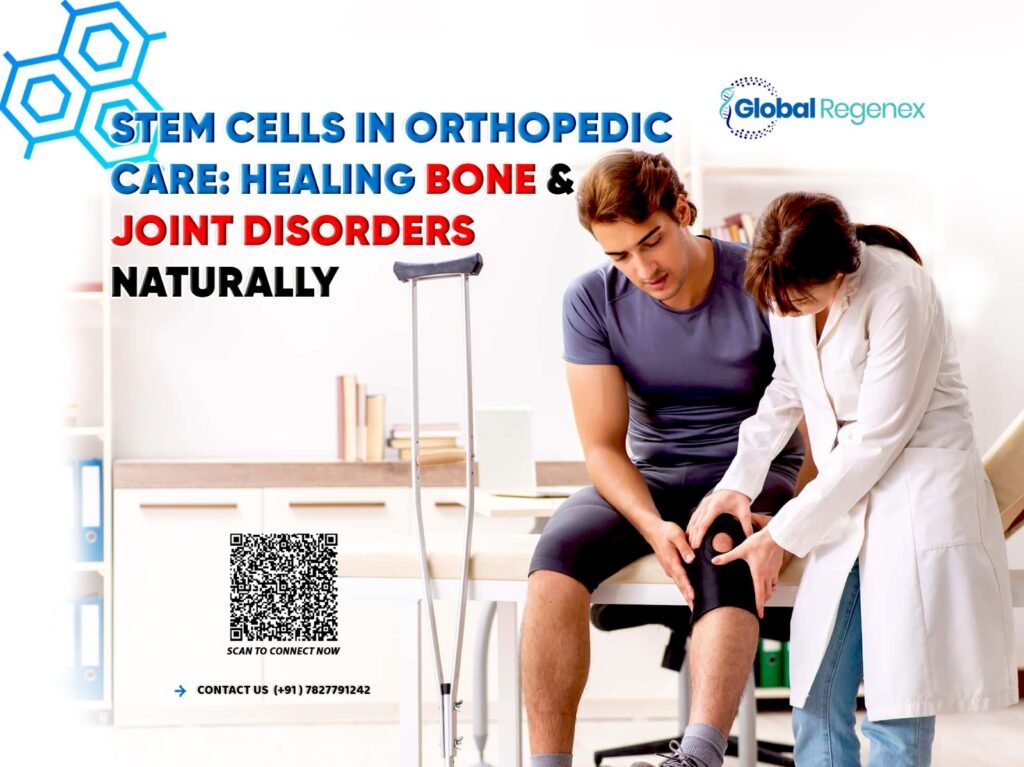
Summary: Stem cell therapy is revolutionizing orthopedic treatment by providing a new way of healing naturally for bone and joint disorders. Starting from osteoarthritis to ligament issues, this therapy helps in repairing tissues, soothes pain, and improves mobility without the need for any surgery. Find out how stem cells work, their benefits, and why they are the hope for a healthy future. Most people around the world are suffering from bone and joint problems, which often lead to pain, stiffness of joints, and limited mobility. Old treatments like painkillers, injections, or surgery do not offer enough relief, but they usually forget to target the root cause of the issue. This is where stem cell therapy is more effective in treating orthopedic conditions. With its ability to regenerate, stem cells can naturally repair and restore damaged tissues. In orthopedic care, this therapy is being used to heal cartilage, bone, ligaments, and tendons, providing a ray of hope for patients seeking alternative and more advanced treatment for orthopedic conditions. What Are Stem Cells and Why Are They Important for Orthopedic Care? Stem cells are tiny but unique cells in the body that are responsible for repairing and restoring damaged tissues, such as bone, cartilage, or muscles. They also provide growth factors to lessen the inflammation in the area and promote natural healing. In orthopedic medicine, stem cells get the upper hand because they can restore damaged tissues that usually do not heal on their own, like cartilage. Common Bone and Joint Disorders Treated with Stem Cell Therapy Osteoarthritis and Cartilage Degeneration Stem cells slow cartilage degeneration and promote the formation of new cartilage, which provides lasting relief from pain. Bone Fractures and Non-Healing Injuries For fractures that fail to heal on their own, stem cells have the ability to accelerate bone repair. Ligament and Tendon Tears Sports injuries such as ACL tears or rotator cuff injuries can be repaired using stem cell injections to facilitate quicker healing. Spinal Disc Problems Stem cell therapy is also being investigated as a non-surgical treatment for degenerative disc disease and chronic back pain. How Stem Cell Therapy Functions in Orthopedic Conditions Here is the process of how stem cell therapy works for orthopedic care: Collection: Stem cells are usually obtained from the patient’s bone marrow or fat tissue. Processing: They are processed and prepared for use. Injection: The stem cells are injected into the damaged joint, bone, or ligament. Healing: Over time, the stem cells function to reduce inflammation and stimulate tissue repair. This non-invasive procedure will usually only last a few hours and does not involve much downtime. Benefits of Stem Cell Therapy for Joints and Bones Here are some benefits of stem cell therapy: Promotes natural healing without the need to go under the surgeon’s knife. Relieves pain and inflammation significantly. Enables rapid recovery and improved mobility. Provides a long-term regenerative benefit rather than temporary alleviation. Stem Cell Therapy Vs Traditional Orthopedic Treatment As you know, while surgery requires a prolonged period of recovery time and medication for treating only symptoms, stem cell therapy in India targets the root cause of the issue. It helps the body to heal itself naturally, making it a safer, less invasive, and sustainable option for more patients. Safety & Effectiveness of Orthopedic Stem Cell Therapy Although research and clinical trials suggest that stem cell treatment is safe for most patients, with less to no side effects since the cells come from the patient’s own body. Some ideal candidates include patients with early, moderate joint damage or patients who want to avoid surgery. The Future of Stem Cells in Orthopedic Medicine As research continues to improve, stem cell therapy is likely to become central to regenerative medicine. Researchers are finding ways to make stem cells more potent through genetic modifications and biomaterials, paving the way for individualized treatment that may transform orthopedic treatment. Synopsis Stem cell therapy is an innovative, natural treatment for bone and joint disease. Stimulating the body to repair itself provides long-lasting pain relief, enhanced mobility, and less reliance on surgery. For patients looking for a holistic treatment for orthopedic problems, stem cells could very well be the future of healing. If you are interested in undertaking or considering stem cell therapy in India as an option for your condition, consulting with Global Regenex is a must for expert guidance and support. FAQs Q1. Is stem cell therapy safe for orthopedic patients? Ans. Yes, it is generally safe because the stem cells are harvested from the patient’s own body, reducing risks. Q2. How long does recovery take after stem cell treatment? Ans. Most patients are able to return to normal activities within a few days with gradual improvement continuing over weeks and months. Q3. Can stem cells regrow cartilage naturally? Ans. Yes, research indicates stem cells can regenerate cartilage and retard degeneration in joints. Q4. How successful is stem cell therapy for knee pain? Ans. Most patients notice considerable improvement in pain and movement, particularly in earlier to moderate forms of arthritis.
Role of Exercise in Improving Recovery After Stem Cell Treatment
Summary: As stem cell therapy is getting more recognized as an advanced treatment, exercise also plays an important role in boosting recovery time for stem cell treatment patients. By improving circulation in the patient’s body, reducing stiffness, and supporting tissue regeneration, the right kind of physical activity can improve the overall effectiveness of treatment. Learn how exercise helps and which movements are best suited for a safe, faster recovery. With the effective progress in the field of regenerative medicine, stem cell therapy shines the brightest, giving hope for patients with severe conditions. These unique cells use the body’s cells to help repair and restore damaged tissues and reduce inflammation. Although the ability of stem cells is promising, the real success of the treatment depends more on factors other than just the treatment. As you know, the body needs time, care, and the right lifestyle practices to enhance the results. Among the most effective ways to support healing is doing exercise. Doing the right physical activities after stem cell therapy can improve recovery outcomes significantly and help patients return to daily activities more quickly. Why Recovery Matters After Stem Cell Therapy? Stem cell therapy works by stimulating the body’s natural healing process. The success of treatment largely depends on how well the patients recover afterward. Poor recovery habits, such as stress and inactivity, can lead to slower progress. On the other hand, adapting safe exercise routines can boost your healing, prevent stiffness, and strengthen the treated area. Role of Exercise in Supporting Stem Cell Healing Exercise is more than just movement; it is a way of promoting the body’s optimal healing. Here’s how it helps: Increases Blood Flow: Improved circulation brings oxygen and nutrients into the treated tissues, facilitating quicker regeneration. Increases Stem Cell Function: Slight exercise stimulates natural growth factors that enhance the efficiency of stem cell treatment. Decreases Stiffness and Enhances Mobility: Consistent movement lubricates joints and avoids the formation of scar tissue. Assists with Pain and Inflammation Management: Low-impact activity can decrease swelling and alleviate pain naturally. Types of Exercise to Do After Stem Cell Therapy Low-Impact Cardio Doing low-impact cardio like walking, swimming, or cycling is gentle on the joints while improving cardiovascular health and circulation. Strength Training Adapting light resistance training using weights or resistance bands helps you rebuild muscle strength and supports joint stability. Flexibility Exercise Doing stretching, yoga, and pilates daily improves range of motion and prevents stiffness around the treated area. Rehabilitation Movements For specific injuries, a physiotherapist may recommend guided exercise to restore function safely. Exercise Guidelines for Safe Recovery To maximize exercise following stem cell therapy, patients must adhere to these guidelines: Start Slow: Make a gradual beginning with light exercises and build up from there. Follow Medical Instructions: Consult your physician or physiotherapist before initiating new exercises. High-Impact Exclusion: Avoid running, jumping, or lifting heavy objects until cleared by a physician. Listen to Your Body: Immediately stop if sharp pain, swelling, or tiredness is encountered. Combining Exercise with Other Recovery Strategies Doing exercise helps better when combined with other healthy habits like: Balanced Diet: Having a proper diet supports cell regeneration and recovery. Adequate Rest: Taking a proper sleep allows the body to repair and recharge fully. Hydration: Staying hydrated is important for helping tissue health and flexibility. Stress Management: Doing regular meditation and deep breathing helps maintain overall well-being. Long-Term Benefits of Exercise After Stem Cell Therapy Here are some long-term benefits of doing exercise: Improved joint strength and stability. Reduced risk of re-injury or degeneration. Better overall mobility and independence. Enhanced quality of life with higher energy levels. To Bring It All Together While stem cell therapy seems to be an advanced treatment for recovery, doing exercise improves circulation, aids in healing, and prevents stiffness, which helps in boosting stem cell recovery. Patients can also work with a physician and physiotherapist to formulate a safe, personalized exercise regimen that caters to their need for achieving long-term success. If you are interested in stem cell treatment in India, consulting with Global Regnex for expert guidance, tailored treatment plans, and optimal support during your recovery process. Common Questions Answers Q1. How soon can I exercise after stem cell therapy? Ans. It is possible for most patients to start light exercising within a few days, but always consult your physician for advice. Q2. What exercises do I need to avoid after treatment? Ans. Avoid high-impact exercises such as running, jumping, or heavy lifting until complete recovery. Q3. Will exercise enhance the efficacy of stem cell therapy? Ans. Yes, consistent low-impact exercise can increase stem cell activity and accelerate tissue repair. Q4. Can I undertake strength training following stem cell treatment? Ans. Yes, but begin with minimal resistance and gradually increase under medical guidance.
PRP Therapy vs. Stem Cell Therapy: Which One Works Better?
Summary: Regenerative medicine provides alternative options for chronic illness, joint pain, and injury. Two of the more popular treatment options, Platelet-Rich Plasma (PRP) therapy and stem cell therapy, will be compared with respect to their efficacy. Both lead to the natural healing process, but do so in different ways, have different recovery timelines, and have long-term effects. This blog provides an overview of the differences that can lead to better understanding among patients. If you have been plagued by joint pain, repeated sports injuries, or the development of arthritis, you understand too well the frustration of searching for true, lasting relief. Pain medication only masks the pain, physical therapy takes a time commitment, and surgery may be a last resort. More and more patients are turning to regenerative medicine, treatments designed to enable the body to heal itself in the first place. The two best-known options, Platelet-Rich Plasma (PRP) therapy and Stem Cell therapy, are the most popular. Both are minimally invasive, non-pharmacologic, and tissue-restorative, rather than just pain-suppressing. But they work in different ways, and that’s what brings about the true question that most patients would like to hear: Which is better for me, PRP or Stem Cell therapy? In this blog, we are going to break down how every treatment works, compare their benefits, and indicate the differences so you can make an educated choice on your path to recovery. What is PRP Therapy? Platelet-rich plasma (PRP) therapy is a form of regenerative therapy that uses the patient’s own blood to stimulate healing. It does this by platelet concentration, which has growth factors that repair injured tissues. The process normally involves: Taking an amount of blood, which is small in quantity. Centrifugation to separate platelet-rich plasma. Injecting the PRP into the affected area in order to release growth factors that quicken healing. Best indicated for: minor tendon damage, ligament sprains, hair loss therapy, and initial-stage arthritis. What is Stem Cell Therapy? Stem cell therapy is one step further in the sense that it involves cells that will be transformed into new forms of tissue, hence optimal for repairing large quantities of damage. It not only eliminates inflammation but also recreates cartilage, ligaments, and other tissue at the cellular level. The process entails: Drilling out the stem cells from bone marrow or fat tissue. Processing and injecting them into the injured area. Triggering natural tissue regeneration and repair. Best suited for: severe arthritic diseases, cartilage injury, sports injuries, and degenerative disorders. PRP vs. Stem Cell Therapy: Key Difference Factors PRP Therapy Stem Cell Therapy Source It uses platelets from the patient’s own blood. Uses stem cells from bone marrow, fat, or umbilical cord. Process Simple blood draw and injection. Stem cell extraction, processing, and targeted injection. Healing Mechanism Releases growth factors to boost healing. Regenerates and repairs damaged tissues at the cellular level. Best For Mild injuries, hair loss, early arthritis, and tendonitis. Severe joint damage, advanced arthritis, and severe degenerative conditions. Recovery Time A few days of the week. It may take a few weeks to months, depending on the severity. Effectiveness Works best for minor injuries and temporary relief. Provides long-term tissue repair and regeneration. Cost Relatively affordable A little higher. Which One Is Better? For mild ailments such as tendonitis, sports injuries, or thinning hair, PRP therapy is extremely useful given its ease of procedure and cost-effectiveness. For more advanced or chronic ailments, such as advanced osteoarthritis or cartilage loss, stem cell therapy is more effective in the long run through tissue repair on the cellular level. In most instances, doctors even go so far as to prescribe a combination of PRP and stem cell therapy for ultimate efficacy. The Concluding Thoughts Both stem cell therapy and PRP are novel therapeutic modalities, but are of variable efficacy based on the extent of the disease. PRP is appropriate for trivial conditions, whereas stem cell therapy is appropriate for advanced, degenerative conditions that call for regeneration. If you are interested in undergoing regenerative therapy in India, visit Global Regenex for professional guidance, proper diagnosis, and customized treatment to address your condition. Frequently Asked Questions (FAQs) Q1. Is PRP therapy painful? Ans. It is usually very mildly painful, similar to a routine injection. Q2. How long does it take to see results from PRP or stem cell therapy? Ans. PRP is likely to have effects in weeks, while stem cell therapy takes a few months, depending on the condition. Q3. Can PRP and stem cell therapy be combined? Ans. Yes, it is usually recommended by some clinics to utilize both of them for faster and improved recovery. Q4. Where can international patients seek stem cell therapy in India? Ans. Global Regenex provides expert consultation, treatment coordination, and recovery support for patients worldwide.
How Stem Cells Work: Science Made Simple
Summary: Stem cells are the body’s own repair system with the special power to self-renew and differentiate into specialized cells. They are responsible for growth, healing, and medical research. Located in such sites as bone marrow or induced as iPSCs, stem cells are the focus of regenerative medicine, holding promise for the treatment of severe disease and injury. How Stem Cells Work: Science Made Simple Millions of people around the world, one way or another, are dealing with some type of severe injury or condition. This makes it natural for them to look for more advanced treatment or therapy to overcome the condition. Fortunately, the treatment lies within the body itself, known as stem cells. In simple words, stem cells are the body’s tiny cells that can grow into different types of cells, such as muscle cells and more. To gain a deeper understanding of this topic and learn how stem cells function, continue reading the blog as we explore the world of regenerative medicine together. Additionally, if you are interested in stem cell treatment in India, consulting with Global Regenex for excellent guidance is a must. What Are Stem Cells? Stem cells are the building blocks of the body, which form more than 200 cells of the body, as they have the ability to differentiate into various types of cells, which also aid in replacing and repairing damaged cells. Unlike regular cells, which can only do a single task, stem cells can generate more stem cells or transform themselves into new cells when necessary. Key Points About Stem Cells: Self-Renewal: They always differentiate themselves again and again, as per the body’s need. Flexibility: They are versatile and can change into many types of cells, like blood, muscle, etc. Use in Medicine: Stem cells are currently being researched and studied for their medical applications. Doctors study them to treat diseases like diabetes, heart problems, and spinal injuries. Types of Stem Cells Adult Stem Cells are located in locations such as bone marrow and typically develop into some types of cells. Induced Pluripotent Stem Cells (iPSCs) are ordinary adult cells modified to behave like embryonic stem cells. How Do Stem Cells Function? They are considered special due to the ability to both replicate themselves and transform into other forms of cells that the body requires. Let’s see how they differ from regular cells, which can only do one specific task. How stem cells operate can be described in two general steps: Stem cells can easily divide repeatedly to generate more stem cells of the same type. This guarantees a sufficient supply is always present for growth and repair. Stem cells may become specific cells like blood cells, skin cells, muscle cells, or nerve cells based on signals from the body. For example, to understand this further, suppose you have a cut in your hand, stem cells in the skin will repair and replace the damaged cells and heal the wound. And to talk about the brain and spinal cord, in some cases, stem cells can even repair damage to nerves. Seeing the potential of stem cells, researchers are examining stem cells for the treatment of diseases like diabetes, heart disease, and spinal cord injury, to repair damaged tissues and improve healing in the area. Why Are Stem Cells Important? They are unlike other cells that become specialized to do one thing. Stem cells can replicate into additional stem cells or specialize into various cells, such as blood, nerve, or muscle cells. That is why they are significant in development, in healing, and in research. Significant reasons stem cells are significant: Growth and Development During infancy, stem cells develop all the tissues and organs of a developing infant. They remain active throughout life by contributing to normal development and repairing damaged or worn-out cells. Healing and Repair Stem cells in bone marrow continuously produce new blood cells that maintain the immune system. They repair wounds, damaged tissue, and even some organs by creating new, healthy cells. Medical Research Scientists research stem cells in an attempt to understand how disease occurs at the cellular level. They can be tested on with new medication and treatments without any danger. Regenerative Medicine Stem cells have the potential to repair or replace damaged tissues and organs. They also hold hope for curing diseases such as diabetes, heart disease, spinal cord injury, Parkinson’s disease, and certain types of blindness. They can minimize organ donor requirements by growing tissues in the laboratory. Putting It All Together Stem cells are so much more than small microscopic blocks; they are the future wave for renewal and creativity in medicine today. Repair, renewal, and regeneration through the assistance of stem cells are vital to the health of humankind and the advancement of science. And with additional research and treatment alternatives, stem cells bring a possibility of revolutionizing the way we treat disease and grow life back. Frequently Asked Questions (FAQs) Q.1 Can I Increase My Number of Stem Cells Naturally? Ans. Yes, you can also maintain stem cell health naturally by exercising regularly, getting good sleep, eating balanced food, fasting, and managing stress. Q2. How do Stem Cells Work Simply? Ans. Stem cells function by producing more stem cells and transforming into other types of cells, enabling the body to develop, repair, and recover. Q3. How Can I Keep My Stem Cells Healthy? Ans. You can maintain your stem cells in a healthy condition by exercising, having a balanced diet, sleeping comfortably, avoiding stress, and not smoking or drinking too much alcohol. Q4. Where Do Stem Cells Live in the Body? Ans. Stem cells reside in most regions of your body, especially in bone marrow, blood, brain, skin, muscles, and fat tissue.
How Stem Cells Are Used in Clinical Trials Worldwide
Medical research has reached a new era of providing treatment with the rise of stem cell therapy. These tiny special cells can transform into different tissues, making them powerful tools for healing and regeneration. Researchers and scientists are conducting clinical trials to unlock the potential and uncover how stem cells can safely and effectively treat complex health conditions. From orthopedics to Parkinson’s disease, clinical trials are expanding our understanding of stem cells and shaping the future of healthcare. What Are Stem Cells and Why Are They Valuable in Medicine? Stem cells are a unique type of cell that are responsible for creating over 200 cells in the body, such as bone, nerve, and blood cells. Having the ability to repair and restore damaged tissues makes them essential for medical research. To talk about clinical trials, stem cells are being tested for their safety, effectiveness, and long-term impacts in treating severe conditions. Stem Cell Research and Clinical Trials: India’s Role in the Global Landscape As the other nations are undertaking stem cell research, India is becoming a global destination for stem cell research, with several clinical trials exploring this regenerative therapy across different medical conditions. India has a blend of medical infrastructure, skilled researchers, and cost-effective healthcare, which has made it an attractive destination for stem cell therapy. Key Areas of Stem Cell Clinical Research Here are some areas where stem cells are being researched: Nervous System Disorders: Stem cells are under study in the case of Alzheimer’s, Parkinson’s, and multiple sclerosis with a view to regenerating nerve cells that have been destroyed in order to restore brain function. Cardiovascular Disorders: Clinical trials are evaluating the potential of stem cells to repair heart tissue and recover heart function following episodes of heart attacks and chronic heart failure. Orthopedic and Musculoskeletal Disorders: Clinical trials are testing whether stem cells can repair cartilage, fix broken bones, and reattach tendons. Autoimmune and Blood Disorders: Clinical trials are attempting to find the impact of stem cell transplants on patients with leukemia, lymphoma, and immune disorders, including lupus. Eye Diseases: Clinical trials are looking into the potential of stem cells to give vision back to individuals afflicted with macular degeneration and scarred corneal tissues. Advantages of Stem Cells Here are some benefits of stem cells: Self-Repair: Stem cells have the ability to spontaneously regenerate or substitute tissue that has been injured, healing internally. Multiple Treatments: They are being explored for treatment and therapy of innumerable conditions, from orthopedic disorders to neurological disorders to heart disease. Fewer Operations Stem cell therapy decreases invasive, traditional surgeries. Decreases Inflammation and Pain: Stem cells assist in the reduction of chronic inflammation and pain by addressing the source of the issue. Healing: In contrast to traditional medicine, which typically covers up symptoms, stem cells provide room for healing. The Future of Clinical Stem Cell Research In the next few years, we will see successful advancements in personalized regenerative medicine, where stem cells are individualized for every patient. International collaborations, better technologies, and increased funding could ensure that stem cell clinical trials will advance health beyond all other levels. Epilogue Stem cells are revolutionizing medicine, and clinical trials around the world are proving their capacity to cure some of the most obstinate diseases. Despite the potential for further enhancement, efforts are underway to build a vision for an ultimate future in which regenerative medicine becomes a standard form of treatment worldwide. If you are interested in stem cell therapy in India, contact Global Regenex for expert advice and services. Frequently Asked Questions About Stem Cells Q1. What are stem cells being compared to in clinical trials? Ans. They are being compared to heart disease, neurological illnesses, orthopedic illnesses, blood cancer, and eye disease. Q2. Are stem cell clinical trials safe? Ans. Most of them are well-regulated and tightly monitored for safety, but risks will occur based on the illness they are targeting. Q3. Do patients have the ability to volunteer for stem cell clinical trials? Ans. Yes, and they can volunteer at research hospitals or via international clinical trial registries. Q4. What are stem cell trials’ futures? Ans. They can lead the way to more personalized, regenerative treatments and potential cures for degenerative disease. Summary: With the advancement in regenerative medicine, stem cells are at the forefront of modern medicine, with clinical trials worldwide testing their potential to treat diseases ranging from heart disorders to neurological conditions. This blog explores how stem cells are used in global trials, their applications, benefits, and the promising future of regenerative medicine.
What Is Cancer Immunotherapy and How Does It Work?
Have you thought that, if there were a way to treat cancer just as easily as you treat the flu? This seems promising, doesn’t it? That is the promise and potential of cancer immunotherapy. As medical science continues to improve and advances towards less painful and more customized treatment, cancer immunotherapy has become a revolutionary method that harnesses the potential of the immune system to fight cancer cells. Not like chemotherapy and radiation, which may damage normal cells, immunotherapy is meant to target cancer more selectively. But the question remains, how does it do that? Let’s explore and learn how this advanced therapy works for cancer treatment. How Immunotherapy Works? Immunotherapy stimulates or enhances the immune system itself to recognize and kill cancer cells. There are various types of immunotherapies with different ways of working. Types of immunotherapy include: Checkpoint Inhibitors: These drugs release the “brakes” off the immune system, allowing it to recognize the cancer and kill it with more intensity. CAR T-cell Therapy: It takes a patient’s T-cells and engineers them so that they are capable of better targeting and killing the cancer cells. Cancer Vaccines: These train the immune system to recognize unusual markers on cancer cells. Cytokine Therapies: These are proteins that enhance the activity of immune cells. Every person on the planet has a unique immune system, and immunotherapy is also personalized for the unique needs of the patient, thus at the heart of individualized medicine! The Use of Stem Cells in Cancer Treatment Apart from immunotherapy, stem cell therapy is also a vital weapon in the fight against cancer. Stem cell therapy via the use of bone marrow and mesenchymal cells, for example, is generally used as a means of reconstructing the immune system after chemotherapy or irradiation. How stem cells help in cancer cure: Bone Marrow Transplants: To replace lost bone marrow after aggressive cancer treatments. Mesenchymal Cells: General-purpose cells that can suppress harmful immune reactions and initiate tissue repair. Stem Cell Injections: Can regrow healthy immune and blood cells. Combining stem cell therapy with immunotherapy for cancer is an active union that’s providing patients with increased protection and outcomes. Why Choose Stem Cell Therapy in India? India is one of the best places for affordable as well as the latest stem cell therapy. India has emerged as a destination of choice for patients seeking regenerative medicine because of its world-class doctors, well-equipped health centers, and cost-effective treatment protocols. Some of the reasons why the patient will have to choose India are: World-class medical facilities Hospitals recognized by international authorities Cost-effective treatment protocols Preliminary specialized stem cell, bone marrow, and mesenchymal cell experts Minimum waiting periods India’s emphasis on medical innovation continues to be a draw for patient interest from all over the globe. For Expert Advice: Contact Global Regenex Getting to stem cell therapy might not be straightforward. That is where Global Regenex comes in. Global Regenex is an award-winning stem cell therapy consultation firm that presents patients with top healthcare networks and regenerative medicine experts. Why Global Regenex stands out: Access to top-ranked hospitals and stem cell experts Effective patient experience with start-to-finish treatment Customized treatment planning State-of-the-art technology and diagnostics Global network and ethical medical standards With Global Regenex, the patient is not just being healed. They are being given a healing companion. Synopsis Cancer immunotherapy is changing lives by releasing the full power of the immune system. Combined with the curative potential of stem cells, mainly bone marrow and mesenchymal cells, it is a staggering cancer cure technique. If you or a loved one is searching for advanced-level treatment, turn to India stem cell therapy. And with assistance every step of the way, Global Regenex offers expertise, compassion, and an international array of care.
Israeli Researchers Had Grown a Human Kidney From Stem Cells
Scientists at Tel Aviv University and Sheba Medical Centre have developed human kidney organoids, an artificial three-dimensional organ culture, from tissue stem cells in the laboratory for the first time. The organoids replicate the development of the human foetal kidney. As the kidney developed and enlarged over a period of months, researchers were able to monitor the development of the organ in real time, detect the genes causing birth defects, develop new regenerative medicine therapies, and test the impact of medicines on foetal kidneys developing in the womb. For more than six months, the current model has developed and remained steady. In the past, kidney organoids that mimicked development disintegrated in four weeks. This makes it possible to use kidney models for long-term study and medical testing. With no cross-contamination from stem cell growth, it is also the purest kidney organoid yet created. Because pluripotent stem cells are unstable, they would grow into different biological forms in earlier models. Clear cause-and-effect investigations are made possible by the novel organoid’s exclusive expression of kidney cells. Prof. Benjamin Dekel, the director of the Sagol Centre for Regenerative Medicine at Tel Aviv University and the director of the Paediatric Nephrology Unit and the Stem Cell Research Institute at the Safra Children’s Hospital at Sheba Medical Centre, oversaw the study. As part of Prof. Dekel’s research group, Dr. Osnat Cohen-Sontag, a research associate at Sheba Medical Centre, and Dr. Michael Namestannikov, a doctoral student who completed the Physician-Researcher track at Tel Aviv University’s Grey Faculty of Medical and Health Sciences, also took part in the study. “Life begins with pluripotent stem cells, which can differentiate into any cell in the body,” explains Prof. Dekel. “In the past, they were able to grow organoids—3D organ-like cultures—by producing such general stem cells and sorting them into kidneys, but after about a month the kidney in culture died, and the process had to be started again. “About a decade ago, my research group was able to isolate for the first time the human kidney tissue stem cells that are responsible for the growth of the developing organ. Now we have succeeded for the first time in growing a human kidney in the form of an organoid from the specific stem cells of the kidney, and this is in parallel with the maturation process in the uterus that occurs until the 34th week of pregnancy.” In order to investigate organs in ways that are not feasible in humans, researchers cultivate organoids in a lab setting. However, organoids made from pluripotent stem cells frequently contain undesired cells that are unrelated to the organ under study, which taints experimental results. Since these stem cells only differentiate into kidney tissue, Prof. Dekel’s organoid was developed from renal tissue stem cells in a “clean” way. These cells differentiated into several kidney cell types, and through a process called tubulogenesis, they created various kidney tissues over the course of six months, including blood filter cells and renal and urine ducts. “Growing the fetal kidney structures can shed new light on biological processes in general, and in particular on processes that lead to kidney diseases,” says Prof. Dekel. “And indeed, when we selectively blocked certain signaling pathways [in the organoid], we saw how it led to a birth defect. We are actually seeing live how a developmental problem leads to kidney diseases that are seen in the clinic, which will enable the development of innovative treatments.” “The fact that we can grow kidney tissue stem cells outside the body over time opens the door to regenerative medicine, that is, transplanting kidney tissue grown in the laboratory—inside the body or alternatively harnessing signals the organoid secretes for repair and rejuvenation of a damaged kidney ,” said Prof. Dekel. “We now have an essentially inexhaustible source of different kidney cells, and a better understanding of their different roles in kidney development and function.” According to Prof. Dror Harats, Chairman of the Sheba Research Authority, innovations such as these demonstrate Israel’s special position in the world. “In recent years, we have witnessed attempts to distance Israel from international centers of influence, and scientific successes of this kind are a reminder that our contribution to medical and scientific research is significant and unquestionable.”