
What Diseases Do Stem Cells Treat?
In recent years, chronic diseases are spreading rapidly all over the world and controlling them has become a mission. Chronic diseases are those diseases which can not be treated or cured by any kind of treatment. But, researchers and scientists find a way or we can say a treatment that helps in managing the symptoms of these diseases. Yes, we are talking about stem cell treatment. Stem cell treatment in India has become an optimal choice for every patient who is suffering from such diseases as liver disease, cerebral palsy, male infertility, and many more. Stem cell therapy is a treatment where stem cells are used to help the body heal itself. With the help of this blog, we will provide you with the information about stem cells, diseases that can be treated, and their importance. It will be fun and informative, so stay with the blog till the end. You will know more about the evolution of the medical industry. What Are Stem Cells and Their Properties? Stem cells are those unique that can be found in our body. These cells can be useful in various ways including making regenerative medicine. By using their regenerative properties, many chronic diseases can be managed and also stop the progression. However, these cells are still in their experimental stage but they can treat a large number of diseases. Stem cells are mainly adult stem cells. Adult stem cells are found in various tissues such as bone marrow. Various stem cell therapy centers in India are using these cells to reduce the symptoms of the diseases and provide quality of life to the patients. Stem cells find injured or damaged cells in the patient’s body and replace them with the new ones to provide healing. Now, we will show you some powerful properties of these cells which are: Self-renewal: Stem cells can divide and create more stem cells, which means they can keep making new cells over a long period. Differentiation: Stem cells can transform into specialized cells, like muscle cells, nerve cells, or blood cells, which perform specific functions in the body. Pluripotency: Some stem cells have the ability to become any type of cell in the body, making them highly versatile for medical research and treatment. Multipotency: Adult stem cells can turn into a limited range of cell types, usually related to the tissue they come from, like blood or bone cells. Regenerative potential: Stem cells can repair and replace damaged tissues, which is why they are used in treatments for diseases and injuries. Proliferation: Stem cells can multiply rapidly, producing a large number of cells that can be used for therapies and scientific studies. Different Types of Disease That Can Be Treated With Stem Cells Stem cells are becoming a hope of many patients due to its remarkable results and beneficial properties. These cells have differentiative properties which helps them to differentiate into special types of cells. After that, these special cells attack the damaged part of the body and start the process of healing. Rather than differentiation, stem cells also have anti-inflammatory properties, regenerative properties which makes them an optimal choice for treatment. Here are some diseases that can be treated with stem cells: Osteoarthritis: This is a common joint disease that causes pain and stiffness. Stem cells can help repair the damaged cartilage, reducing pain and improving joint function. Critical Limb Ischemia: This severe condition results from blocked arteries in the legs. Stem cells can promote the growth of new blood vessels, improving blood flow and potentially saving the limb. Crohn’s Disease: This is a chronic inflammatory bowel disease. Stem cell therapy can reduce inflammation and promote healing in the intestines, offering relief from symptoms. Non-healing Diabetic Ulcers: These are sores that do not heal due to diabetes. Stem cells can accelerate the healing process by promoting new tissue growth, reducing the risk of severe complications. Avascular Necrosis: Avascular necrosis occurs when bone tissue dies due to a lack of blood supply. Stem cells can help regenerate the bone tissue, preventing further damage and restoring function. But these are not only the diseases that stem cells treat. There are some other diseases too such as neurological diseases, orthopedic conditions, infertility in male and females, etc. When you go down to the details of these cells you will find some amazing facts about them. Many centers and stem cell therapy hospitals are doing their great best by providing this innovative treatment. Benefits of Stem Cells in Treatment Stem cells have various unique abilities and one of them is restoration and regeneration. These are the abilities which make these cells an optimal choice to use in various treatments. Stem cells can treat a vast number of diseases and help the patient’s body to overcome the symptoms. Overall, stem cells are a powerful tool in the fight against many health problems. Here are some benefits of stem cells that you can experience in your treatment: Repairing Damaged Tissues Stem cells can become the type of cells needed to repair damaged tissues, such as heart muscle after a heart attack. Replacing Lost Cells They can replace cells that are lost due to diseases like diabetes, where insulin-producing cells are destroyed. Treating Genetic Disorders Stem cells can be used to correct genetic defects, offering potential cures for conditions like sickle cell anemia. Testing New Drugs Scientists can use stem cells to test the safety and effectiveness of new drugs without using human subjects. Understanding Diseases Studying stem cells helps scientists learn more about how diseases develop, which can lead to new treatments. Personalized Medicine Stem cells can be used to create personalized treatments for patients, tailoring therapy to the individual’s needs for better outcomes. The Concluding Remarks Stem cells are known as the innovative medical approach because of their successive results and beneficial properties. These cells can restore or replace the old damaged cells with the new ones to stop the progression of the disease and reduce the symptoms. But, it should
What Are the Success Rates of Bone Marrow Transplants in India?
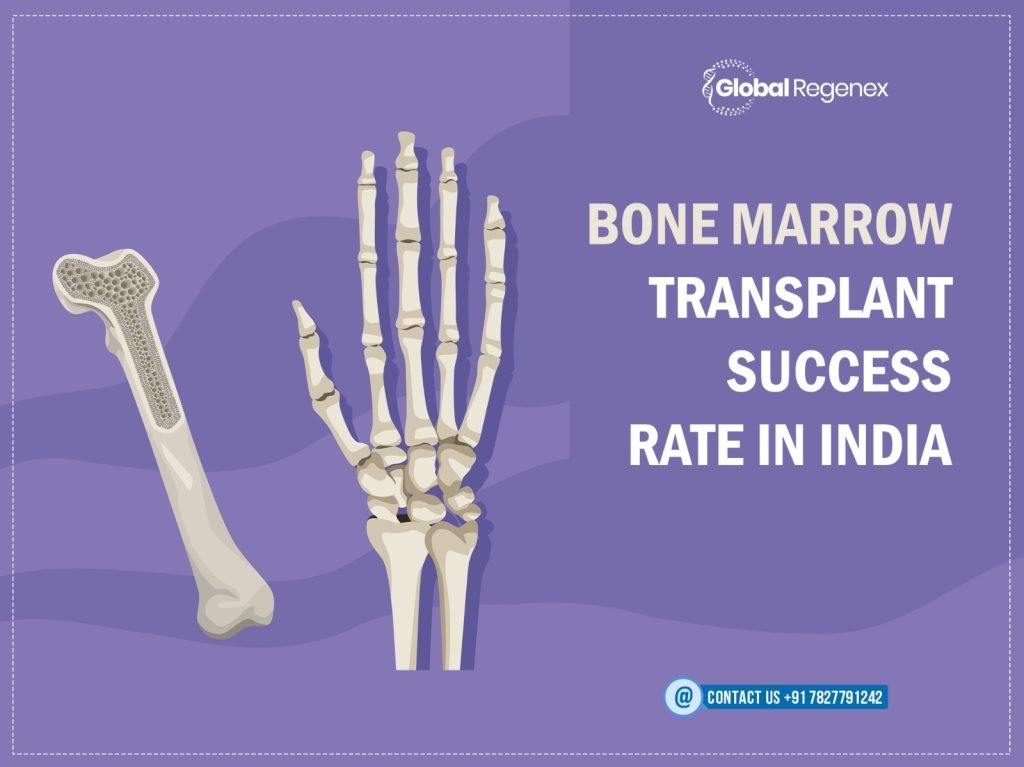
As the country is growing, the medical industry is also growing. Our researchers and scientists are using the latest technologies and techniques to evolve the current medical terms. One of the best discoveries is bone marrow transplant. Many people asked what the bone marrow transplant cost in India is. The cost is very efficient that you can afford. Bone marrow transplant is saving many lives from the past years and still an effective treatment option for many medical conditions such as leukemia, lymphoma, myeloma, etc. It is important to understand the success rate of bone marrow transplant in India to know how effective it is. Bone marrow transplant showing a successful outcome to various patients. In India, you will find many hospitals and institutes use this transplant to treat disease and disorder. Only highly skilled professionals recruit to perform this complex procedure. Furthermore, the success rate depends on various factors and we will talk about those factors and know more about this innovative treatment. You will learn many things about bone marrow transplant, so it will be beneficial to read this blog till the end. About Bone Marrow Transplant Bone marrow transplant is one of the best medical procedures where damaged or diseased bone marrow is replaced with healthy bone marrow stem cells. A fine hospital can treat various diseases with this transplant because of its effectiveness. Doctors use this transplant to restore the body’s ability to healthy blood cells. The patient’s immune system can recover and function properly to improve their overall health and chances of survival by replenishing the blood with healthy cells. Such types of bone marrow transplant in India are as follow: Autologous Bone Marrow Transplant In an autologous transplant, the patient’s own stem cells are used. These stem cells are collected from the patient’s blood or bone marrow before they undergo high doses of chemotherapy or radiation therapy. After the treatment, the collected stem cells are returned to the patient’s body. This type of transplant reduces the risk of the patient’s body rejecting the transplanted cells because they are their own cells. It is often used for treating diseases like multiple myeloma and certain types of lymphoma. Allogeneic Bone Marrow Transplant In an allogeneic transplant, stem cells are taken from a donor whose tissue type closely matches the patient’s. The donor can be a family member or an unrelated person. This type of transplant is used when the patient’s own stem cells are damaged or when there is a need to replace the bone marrow to treat certain genetic diseases or cancers. While there is a risk of the patient’s body rejecting the donor cells, this type of transplant can provide a new immune system to fight diseases like leukemia and other serious conditions. Medical Condition That Can Be Treated By Bone Marrow Transplant One of the best medical procedures that can be used for treating various diseases is known as bone marrow transplant. This treatment option has shown remarkable results by reducing the symptoms and stopping the progression of the disease. In this medical procedure, doctors replace the damaged or old bone marrow with the healthy bone marrow stem cells. The new cells restore the body’s ability to produce healthy blood cells. Patients are experiencing various benefits by taking bone marrow transplants and getting back their quality of life. Below are some medical conditions that can be treated by the best bone marrow transplant hospital in India. Lymphoma: This type of cancer affects the lymphatic system. Bone marrow transplant can help by restoring healthy bone marrow after high-dose chemotherapy. Immune Deficiencies: People with severe immune deficiencies have a compromised ability to fight infections. A bone marrow transplant can rebuild the immune system. Myeloma: This is a cancer of the plasma cells in the bone marrow. A bone marrow transplant can replace the cancerous cells with healthy ones. Neuroblastoma: This cancer affects young children and originates in the nerve tissues. Bone marrow transplants can be part of the treatment plan, especially after intensive chemotherapy. Anaemia: Severe aplastic anaemia is a condition where the bone marrow stops producing enough blood cells. A bone marrow transplant can provide new, healthy stem cells to correct this problem. Leukemia: This cancer affects the blood and bone marrow. A bone marrow transplant can replace the diseased bone marrow with healthy stem cells, potentially curing the patient. Success Rate Of Bone Marrow In India Bone marrow transplants (BMT) in India have seen significant advancements in recent years. The success rate of BMTs in India is comparable to global standards, largely due to improvements in medical technology and increased expertise among healthcare professionals. On average, the success rate of bone marrow transplants in India ranges between 60% to 80%, depending on various factors such as the type of transplant, the patient’s health condition, and the availability of a suitable donor. These transplants are life-saving procedures for patients suffering from blood disorders like leukemia, lymphoma, and thalassemia. With the rise of better understanding of transplant protocols, India is becoming a preferred destination for these critical treatments. Some factors which contribute to the success of bone marrow transplants in India: Type of Transplant: The success rate varies between autologous (using the patient’s own cells) and allogeneic (using a donor’s cells) transplants. Allogeneic transplants usually have higher risks but can be more effective for certain conditions. Donor Match: A close match between the donor and recipient’s tissue type significantly increases the success rate. Sibling donors often provide the best matches. Patient’s Health: The overall health and age of the patient play a crucial role. Younger patients with fewer co-existing health issues tend to have better outcomes. Transplant Center: The experience and expertise of the transplant center, including the availability of advanced medical equipment and skilled professionals, are vital. Post-Transplant Care: Comprehensive post-transplant care, including infection control and regular monitoring, is essential for a successful recovery. Timeliness of the Procedure: Early intervention and timely transplants can improve success rates, as the disease may be in
Is Immunotherapy for Cancer Available in India?
Cancer is one of the chronic diseases which are spreading worldwide and affecting millions of people each year. Several people are getting serious health problems and some of them are facing death. If we talk about the impact of this disease, then it causes emotional and financial stress to the patient’s family. People are searching for the effective treatment which helps them to reduce the symptoms but they are still struggling. In recent years, doctors and researchers have found a way that gives everyone a hope to live again. The name of this effective treatment is immunotherapy. If we talk about immunotherapy treatment in India, then you will find that it saves the lives of many individuals. However, we will learn about immunotherapy and how it can save people from cancer in this blog. So, stay tuned with us till the end, maybe you will find some authentic information about it. About Immunotherapy Our body needs help to fight against dangerous cells such as cancer and immunotherapy helps our body with this factor. This therapy makes our immune system strong which helps it to find and kill the harmful cell of cancer. The function of our immune system is to protect our body from the harmful bacteria and viruses which hides and weakens it. You will find different types of immunotherapy which have their own functions. The work of one type is to attach cancer cells with special proteins called antibodies to mark them for destruction by the immune system. Another one is checkpoint inhibitors which remove the brakes from the immune system and allow it to attack cancer cells more effectively. A patient can take immunotherapy through several manners such as injections, pills, or directly into the bloodstream. It can be used alone or with other treatments like chemotherapy or radiation. This therapy is more helpful and effective than traditional treatment by targeting cancer cells specifically. These properties or types make immunotherapy an effective and promising medical approach to help the immune system to fight against cancer cells. You can take this treatment from the best immunotherapy hospital in India and Global Regenex will help you in this. Availability of Immunotherapy in India In the past, cancer immunotherapy in India mainly included surgery, chemotherapy, and radiation therapy. The aim of these treatments is to protect our body by destroying cancer cells but often came with severe side effects. After some years, scientists of the Indian medical field have advanced and introduced new treatments called immunotherapy. Immunotherapy helps patients of India to fight against these dangerous cancer cells by enhancing their immune system. Unlike traditional treatments, immunotherapy boosts the body’s natural defenses to target and destroy cancer cells more effectively. Many hospitals now offer this treatment as part of their cancer care programs. How Immunotherapy Helps Patients To Fight Against Cancer Cells? One of the finest treatment options to treat cancer cells is Immunotherapy that helps the immune system fight cancer. We all know that the immune system is the body’s natural defense which protects us against infections and diseases. Sometimes, cancer cells can hide from the immune system or block it from attacking them. Immunotherapy works by boosting the immune system or helping it recognize and destroy cancer cells. This treatment can be very effective and is often used when other treatments, like chemotherapy or radiation, don’t work. Procedure of Immunotherapy: Step 1. Diagnosis Doctors first confirm the presence of cancer and decide if immunotherapy is a suitable treatment option. Step 2. Choosing the Right Type: There are different types of immunotherapy. The doctor will choose the one that is best for the specific type of cancer. Step 3. Preparing the Patient: Before starting immunotherapy, the patient may need to undergo certain tests and procedures to prepare for the treatment. Step 4. Administering the Treatment: Immunotherapy can be given in various ways, such as through an IV, pills, or creams. The doctor will decide the best method for each patient. Step 5. Monitoring the Response: After starting immunotherapy, the doctors will closely monitor the patient’s response to the treatment. This helps in adjusting the treatment if necessary. Step 6. Managing Side Effects: Like all treatments, immunotherapy can have side effects. Doctors will manage these side effects to keep the patient comfortable and healthy. Doctors are doing various research on immunotherapy in India to make it more effective and safe for everyone. You can take a consultant from Global Regenex for your cancer treatment. We are always here to help you in your hard days. What Makes Immunotherapy the Best Choice Against Cancer? Traditional treatments like chemotherapy and radiation directly target and kill the cancer cells. But immunotherapy helps the immune system recognize and destroy cancer cells more effectively. By taking this therapy, the immune system boosts rapidly and provides long-lasting protection, and reducing side effects makes it an attractive option for many cancer patients. This approach has shown great promise in treating various types of cancer and has several advantages that make it a preferred option for many patients and doctors. Boosts the Immune System: Immunotherapy strengthens the body’s natural defenses, making it better equipped to fight cancer cells. Fewer Side Effects: Unlike chemotherapy and radiation, which can harm healthy cells and cause severe side effects, immunotherapy usually targets only cancer cells, resulting in fewer side effects. Long-lasting Protection: Immunotherapy can provide long-term protection against cancer by training the immune system to remember and attack cancer cells if they return. Effective for Many Cancers: This treatment has been successful in treating various cancers, including melanoma, lung cancer, and leukemia. Personalized Treatment: Immunotherapy can be tailored to each patient’s unique cancer and immune system, making it a highly personalized and effective treatment option. Improves Quality of Life: By reducing the side effects and being more targeted, immunotherapy often allows patients to maintain a better quality of life during treatment. Synopsis Many hospitals and clinics offer immunotherapy for cancer in India to provide new hope for cancer patients. The accessibility
Can a Stem Cell Transplant Treat Autoimmune Disease?
Autoimmune disease is one of the dangerous diseases that can impact your quality of life. This disease occurs when our immune system attacks its own cells. The work of this system is to protect our body from harmful and infectious disease. But if we talk about those people who are suffering from this disease, their system attacks various parts of the body such as joints, skin, or organs. By the way, there are many treatments available to treat this condition but they come with side effects which may make it worse. But, scientists and researchers have found the best medicine to reduce the symptoms and improve the immune system and the name of the treatment is stem cell therapy. However, this therapy shows magnificent results against various diseases but can it treat this condition? We will find it in this blog. You will know about stem cell treatment in India and its uses against autoimmune disease. About Autoimmune Disease When your body’s immune system attacks your own tissues, then it can be called autoimmune disease. Normally, the immune system protects the body from infections and diseases. If you are suffering from this condition, your immune system cannot differentiate between healthy cells and harmful invaders which leads to destruction of healthy tissues. Some common examples of autoimmune disease include rheumatoid arthritis, lupus, and type 1 diabetes. While the exact cause of autoimmune diseases is unknown, factors like genetics, infections, and environmental influences are believed to play a role. Here are common symptoms of autoimmune diseases: Fatigue: Feeling unusually tired and weak, even after enough rest. Joint Pain and Swelling: Painful, swollen, and stiff joints, especially in the morning. Skin Problems: Rashes, redness, and changes in skin color or texture. Fever: Low-grade fever without any infection. Digestive Issues: Abdominal pain, diarrhea, and bloating. Hair Loss: Unusual hair loss, often in patches. These symptoms can vary widely among individuals and can come and go in a pattern known as flare-ups. It’s important to consult a doctor if you experience any of these symptoms persistently. Early diagnosis and treatment can help manage the disease and improve quality of life. Furthermore, taking stem cell therapy in Delhi NCR will help you to reduce these symptoms. Process of Stem Cell Transplant to Treat Autoimmune Disease Many autoimmune diseases can be treated by stem cell transplant in India such as lupus, multiple sclerosis, and rheumatoid arthritis. The process starts with collecting healthy stem cells from the patient’s own blood or from a donor. These stem cells are then frozen and stored. The patient undergoes high-dose chemotherapy to destroy their malfunctioning immune cells. After the chemotherapy, the stored stem cells are thawed and infused back into the patient’s bloodstream. These stem cells make their way to the bone marrow and start producing new and healthy immune cells. This process can help reset the immune system, reducing or even eliminating the symptoms of the autoimmune disease. Collection of Stem Cells: Healthy stem cells are collected from the patient’s blood or a donor’s blood. Freezing and Storage: The collected stem cells are frozen and stored until needed. High-Dose Chemotherapy: The patient undergoes high-dose chemotherapy to destroy the faulty immune cells causing the autoimmune disease. Infusion of Stem Cells: The frozen stem cells are thawed and infused back into the patient’s bloodstream. Stem Cells in Bone Marrow: The infused stem cells travel to the bone marrow and begin producing new immune cells. Monitoring and Recovery: The patient is closely monitored to ensure the new immune system is functioning properly and to manage any side effects. How Can Stem Cell Transplants Help Treat Autoimmune Diseases? When your immune system mistakenly attacks your body’s own tissue then autoimmune disease occurs. Treating this condition is a big task for the doctors and researchers because conventional treatment is not working properly with these diseases and leads to several side effects. After rigorous research, scientists finally developed an innovative approach that works against autoimmune disease and that is stem cell transplant. In this method, stem cells replace the old or damaged cells with the healthy ones to reset the immune system and eliminate the attack on the body’s own tissues. Let’s know how stem cell therapy Delhi helps to treat autoimmune disease: Resetting the Immune System: Stem cell transplants can help reset the immune system, reducing the attack on the body’s own tissues. Reducing Inflammation: New, healthy immune cells can help decrease inflammation in affected areas. Potential for Long-term Relief: Early studies show that stem cell transplants may offer lasting benefits for patients with autoimmune diseases Improving Quality of Life: By reducing symptoms, stem cell therapy can improve the overall quality of life for patients. Fewer Side Effects: Compared to long-term medication use, stem cell therapy might have fewer side effects. Success Rates of Stem Cell Transplants for Autoimmune Diseases Stem cell transplants are becoming a promising treatment for autoimmune diseases. These diseases happen when the immune system attacks the body. Success rates of stem cell transplants vary. Some patients see great improvements and even remission of their disease. This means their symptoms go away for a long time. For example, in multiple sclerosis, about 70% of patients benefit from the treatment. However, success depends on the disease type and patient’s condition. Early treatment can lead to better results. While not a guaranteed cure, stem cell transplants offer hope to many patients with severe autoimmune diseases. Putting It All Together Various patients have the same question: can stem cell transplant be perfect to treat autoimmune disease? Yes, stem cell transplant treats autoimmune disease and provides the optimal result. Patients experiencing several benefits from this treatment method including reduction in symptoms and eliminating the progression. The safety and effectiveness of stem cell transplants for autoimmune diseases will become clearer, offering hope to many patients. It is necessary to take consultation from a reputed healthcare or clinic. In this case, Global Regenex will be perfect for you. We have top-notch professionals who will assist you with all