
Is Gene Therapy Available in India?
In the last few years, you might have heard of the term “gene therapy” while browsing the internet or medical advancements. It does sound futuristic, like something out of a sci-fi movie. But this therapy is very real, and it’s changing lives across the globe. If you live in India and are thinking, “Is gene therapy available in India?” With the advancements in medical treatments and increasing global medical innovations, many Indian patients and healthcare professionals are now exploring gene therapy as a viable option. If you are a caregiver, or one suffering from a rare genetic disorder, or simply intrigued by how medicine has progressed today, then this blog will give you insight into the progress that gene therapy is making in India, where it is at the moment, and where it is headed. Understanding Gene Therapy This innovative therapy is a medical technique that requires modifying or replacing faulty genes to treat or prevent diseases. Instead of just treating the symptoms with traditional medicines or surgery, gene therapy targets the main cause, which might be the DNA. It’s especially promising for conditions like hemophilia, spinal atrophy (SMA), and certain types of inherited blindness. This therapy can be performed in different ways: Inside the Body: In this method, the genetic material is delivered into the patient. Outside the Body: On the other hand, in this, cells are modified in the lab and then reintroduced into the patient’s body. Is Gene Therapy Available in India? Yes, gene therapy exists in India, even if it’s only in the preliminary stages of extensive use. In the past few years, the Indian medical industry has come a long way in adopting this sophisticated therapeutic modality. Here are the key factors: Regulatory Development: The Indian Council of Medical Research (ICMR) and Central Drugs Standard Control Organization (CDSCO) have introduced regulations to regulate gene therapy clinical trials and research. Clinical Trials: Clinical trials based on gene therapy have grown in India. Academic institutes and private biotech firms are also actively working in genetic disorder research. Commercial Availability: Gene-based therapy for SMA has come into India, but at a price that is unaffordable. Certain conditions under which gene-based therapies are now made available in special clinics and a limited number of hospitals. Homegrown Innovation: Local biotech companies are gaining control. Organizations are investing in indigenous gene therapy drugs that are developed for local populations. Medical Tourism and Collaborations: India’s growing reputation in medical tourism is also being reflected in international collaborations, making it possible to access gene therapies that are not yet available internationally in the local market. The Bottom Line Is gene therapy present in India? Definitely—but still in the emerging stage. As research increases, policy backing improves, and funds are invested, the situation is changing rapidly. For patients coping with life-transforming genetic diseases, gene therapy in India promises hope anew. As awareness improves and prices steadily decline, the prospects of customized, precision medicine in India have never seemed better. If you are thinking about this treatment option, speak with a certified genetic counselor or specialist to see what is currently available.
Bone Marrow Transplant Survival Rate by Age
Seeking answers about bone marrow transplant, and what is its survival rate for different ages? Let’s be honest, just by hearing about bone marrow transplant, some might feel intimidated, even when you are attempting to understand the survival rates and results. If you or your closest ones are on this treatment journey, then it is important to know how age affects recovery and long-term success. Whether you are a worried patient, an adult patient, or a caregiver for an elderly person, being informed can make the process seem a little more manageable. In this blog, you will find out how age influences bone marrow transplant success for patients of different ages and why stem cell therapy is a revolution in bone marrow transplant. What Is a Bone Marrow Transplant? When you think of a transplant, you might think it’s a surgical process, but not necessarily. Bone marrow transplant is actually a medical process that replaces cancerous or destroyed bone marrow with normal stem cells. These stem cells can be sourced from the patient’s own body (autologous transplant) or a donor (allogeneic transplant). The main aim is to restore the body with healthy blood cells, to treat conditions like leukemia and severe aplastic anemia. How Age Influences Bone Marrow Transplant Survival Rates? When undergoing a bone marrow transplant, age is an important factor in whether or not your bone marrow transplant will be successful. It’s not only one, but it’s a larger one that physicians take into careful consideration when determining treatment. Infants & Children Young patients often have the best survival rates, usually over 85%, depending on the disease and type of transplant they are undergoing. Younger patients’ immune systems are more adaptable to stem cell transplant, minimizing complications. Adults (18-50 Years) Patients in this category have relatively high success rates, which are typically up to typically 60 to 80%. Bone marrow transplant results are affected by factors like overall health, how well the patient responds to chemotherapy, and the nature of the bone marrow disease. Older Adults (50+ Years) Patients older than 50 years have success rates that decrease with age, frequently to 40 to 60%, although varying. Older patients can experience more complications, which might be infections and longer recovery times, due to compromised immune systems and underlying medical conditions. Why Stem Cell Advancement Matters? Just by discovering the potential of stem cells has now promisingly changed the way, usually diseases were treated before. Stem cell use has also transformed the bone marrow transplant procedure. Here how: Improved Matches: The number of donor lists has grown so much, improving compatibility for all ages. Lower Risks: The advancement in stem cell therapy minimizes the risk of rejection and improves recovery, even among older patients. Focused Therapies: New conditioning regimens and post-transplant care protocols allow more patients, especially older adults, to become transplant candidates safely. Personalized Approaches Based on Age Physicians now treat patients in a personalized way, considering factors beyond chronological age. Patient’s biological age, general health, genetics, and stage of disease all figure into the best transplant strategy. This is the result of recognizing that even older patients, who would have previously been considered non-treatable, are now being treated with bone marrow transplant and achieving success with greater frequency. For Consultation If you are unsure about the process, potential benefits, and other facts, or are seeking professional advice to help guide you in making a decision to either have or not have a bone marrow transplant. Global Regenex has professionals who can respond to any queries you may have about stem cell treatment or bone marrow transplant, helping you at every step of your healthcare journey. To Bring It All Together Knowledge of the connection between age and bone marrow transplant survival rates can calm fears and empower informed choices. Due to breakthroughs in stem cells and stem cell therapy, more individuals, of any age, are having favorable results. If you or someone you know is contemplating this treatment, consult with an expert about your possibilities and the most recent breakthroughs that can make all the difference.
What Is The Success Rate Of Stem Cell Therapy?
Stem cell therapy, as you know, has completely changed the way of modern medicine, providing a promising alternative for patients suffering from degenerative and severe conditions. Whether it is for treating orthopedic injuries or neurologic or autoimmune conditions, stem cell therapy has now opened a new gateway for healing and improved quality of life for patients. However, the one question that has been asked the most is, “What is the success rate of this innovative treatment?”. Let’s explore this advanced treatment and find out the success rate of stem cell therapy. Keep reading. What Are Stem Cells? Stem Cells are special cells in the human body that can differentiate into specialized cells like muscle, nerve, and blood cells. Their regenerative power makes them heal damaged tissues, which means they are ideal for the therapy. Stem cell therapy employs the cells to induce healing, prevent inflammation, and cure injured tissues. Due to these properties, stem cell therapy has been put into use in many clinical fields, and significant clinical improvement in patients has been seen after stem cell treatment. Benefits of Stem Cell Therapy Stem cell therapy is a revolutionary medicine with natural healing and restoration. It is a therapy that uses one’s own cells to repair injured tissues and reduce inflammation. Some of its finest benefits are: Promotes natural healing by restoration of injured tissues. Eliminates pain and inflammation without continuous medication. Minimally invasive with faster recovery periods. Increases mobility and function of muscles and joints. Low risk of rejection since it entails the patient’s use of their own cells. It can delay or prevent surgery in most chronic illnesses. Stem cell treatment is commonly administered to treat orthopedic, neurological, and autoimmune disorders. Because its success rate and side effects are greater than usual treatment methods, stem cell therapy is revolutionizing contemporary medicine. Whether it be the problem of persistent pain or searching for an upscale treatment measure, this rejuvenation process poses a captivating solution option for enduring relief and overall improvement in one’s lifestyle. How Successful Is Stem Cell Therapy? The success rate of stem cell therapy can be very different based on multiple factors like the type of condition being treated, the age of the patient, and the types of stem cells used. However, the clinical data and patient testimonials point toward high success rates in various cases. Orthopedic: Osteoarthritis, ligament sprain, and tendonitis have been readily treated by stem cell therapy with 60% to 80% improvement. Neurological Disorders: Evidence exists that patients recover from movement as in the case of spinal injury, stroke, and Parkinson’s disease. Autoimmune Disease: Patients with autoimmune conditions have shown that up to 50% to 70% symptom control has been achieved with successful treatment. Whereas outcomes may be rather personal, most patients notice pain relief, improved mobility, and improved function during everyday activities. To put it into perspective, stem cell treatment is not a cure-all but a therapy directed towards supporting the regenerative process of the body. For Consultation Undergoing a new treatment can be daunting at first, which is why it is important to seek advice from the experts in the field, who can be better than regenerative experts at Global Regenex to answer all your questions and take away your doubts about stem cell therapy and regenerative medicine. They have world-class experts in regenerative medicine who are ready to guide you through your unique situation and have connections with prestigious hospitals to ensure you receive the best stem cell therapy available. Book a consultation with Global Regenex for a healthier tomorrow. The Bottom Line Stem cell therapy offers a new ray of hope to individuals seeking something different from traditional treatments. Even though success varies depending on multiple factors, the result as a whole is promising. Thanks to the expanding medical environment, stem cell treatment in India is becoming increasingly popular among local and international patients. If you’re looking to try this regenerative method, talk to Global Regenex to see if it’s the most suitable option for you.
Is Stem Cell Therapy Permanent?
Are you struggling with severe conditions and tired of traditional treatment but still couldn’t find relief? It’s time to turn to stem cell therapy. An innovative regenerative medicine that has come forth as a potential treatment for many different types of diseases and conditions. This promotes healing through factors like replacing and restoring damaged tissues and cells in the body. Now, you are probably wondering if this treatment is permanent or temporary. With the increasing demand for stem cell treatment in India, more and more individuals are curious to know if it has long-term effects. The concept of using the regenerative power of the body feels so unreal, but does it really last forever? In this blog, let’s get into what makes this therapy revolutionary and if the results are truly permanent. Understanding the Scope & Effectiveness of Stem Cell Therapy What Are Stem Cells? Stem cells are tiny but powerful building blocks of life. They have the ability to differentiate into specialized cells like muscle, nerve, or blood cells. Stem cells facilitate the body’s ability to replace damaged tissues without the need for surgery. The regenerative power of stem cells has shown new ways to treat many different diseases like spine injury, neurodegenerative, etc. Overview of Stem Cell Therapy In the stem cell therapy procedure, stem cells are derived from the patient’s own bone marrow or fat, treated, and then injected into the affected part. Stem cells then start to repair damaged tissue and reduce inflammation to promote quick healing without surgery. Conditions Treated By Stem Cell Therapy Stem cell therapy can be used to treat a variety of medical conditions, such as: Neurological Disorders: Stem cell therapy is able to repair the regeneration of nerve cells and treat multiple sclerosis, Parkinson’s disease, and Alzheimer’s. Spinal Cord Injuries: The injured nerves will be repaired using stem cells that also restore feeling and movement to paralyzed patients. Diabetes: Stem cell therapy can potentially help in the regeneration of insulin secreting cells of pancreas. So, it is a new ray of hope for diabetic patients. Diseases of the Heart: Stem cells can heal damaged tissues after a heart attack and improve the functionalities of the heart. Orthopedic Conditions: Treat injuries of ligaments, arthritis, and other joint-related disorders to achieve pain relief and improved mobility for patients. Is Stem Cell Therapy Long-Term? Before undergoing the stem cell therapy, it is important to understand the therapy fully to set realistic expectations. Keep in mind that stem cell therapy is still in research, although it does show some promising results in treating various conditions. The effect of stem cell treatment can be long-term but not always permanent in every situation. The success is highly dependent on the condition the patient is being treated for, the age, and lifestyle. Some individuals have years of relief while others require follow-up treatments. Need Expert Advice? If you are looking for expert consultation to finalize your decision about undergoing stem cell therapy in Delhi, ask questions regarding the procedure, possible advantages, and more. Consulting with Global Regenex for all your questions on stem cell therapy and regenerative medicine, they have a team of experts who are ready to answer and guide you with every step of your stem cell treatment. Putting It All Together Is stem cell therapy permanent? Not necessarily. It does provide long-term relief and recovery for some patients, but the period of results varies with each patient and condition. Choose a reputable stem cell therapy provider center in India for experienced experts that offer individuals with stem cell treatment that are more successful and have long-lasting results. And it is always best to discuss with your specialist for proper expectations on your healing timeline.
How Long It Take to Have a Stem Cell Transplant?
Dealing with a degenerative condition and considering a stem cell transplant as treatment for it? This would be a great way to treat these conditions. Stem cell transplant is the process where stem cells are used to promote healing through replacing and restoring the damaged tissues or cells in the body. Now, you must be thinking about how long a stem cell transplant takes to work properly. It is helpful to understand the full process of stem cell transplant in India, whether it is for yourself or someone you love. In this blog, let’s break it down in a simple word so you know what exactly to expect. What is a Stem Cell Transplant? Stem cell transplant uses stem cells, which are interestingly renowned for their ability to differentiate into several types of cells within the body. These cells are a remarkable alternative for treating many diseases as they promote healing through replacement and regenerate damaged cells in the body with healthy ones. By healing the damaged tissues, it minimizes the inflammation in the damaged area. Benefits of Stem Cell Transplant Here are some benefits of stem cell transplant listed below: Secures Highgate: Stem cells possess remarkable potential to significantly quicken the process of healing for the body, particularly in orthopedic trauma to ligaments, tendon rupture, and cartilage injury. Decrease Pain and Inflammation: By modulating the immune system, stem cell therapy can reduce chronic pain and swelling, alleviating conditions such as arthritis and autoimmune disorders. Less Invasive: The majority of stem cell therapies are non-invasive or minimally invasive, creating shorter recovery times and less danger. Supports Natural Reconstitution: Unlike traditional treatment that merely suppresses the symptom, stem cell therapy performs better by activating the body towards restoring damaged tissue naturally. Reduced Medication Use: In body function repair, stem cell therapy decreases reliance on medication for pain and chronic medication. Therapeutic Value: As stem cells are harvested from one’s own body, there is no risk of rejection, hence, more effective and personalized therapies are obtained. Understand the Timeline for Stem Cell Transplant Although the whole process of transplant might take only one day, the full process from preparation to transplant can take a few weeks. Here is the procedure in detail: Evaluation & Preparation (1-2 days) Before undergoing the stem cell transplant, patient is require to carry out some tests to asses their health by doctors to ensure they are a perfect fit for the procedure. These evaluations might include blood tests, imaging, and sometimes biopsy. Once cleared, the patient will now begin a conditioning regimen to prepare their body. Conditioning Treatment (5-10 days) For conditioning, the patient’s body involves chemotherapy, radiation, or a combination of both to remove unhealthy cells and make space for the new stem cells. This phase is important as it helps reduce the risk of transplant rejection and promote the right environment for new cells to grow. Stem Cell Collection and Infusion (1-2 days) If the patient is receiving an autologous transplant, the stem cells are collected from their own body. In allogeneic transplants, they’re collected from a donor. The actual stem cell infusion is very quick and painless and feels a lot like having a blood transfusion and should only take a few hours. Engraftment and Monitoring (2–4 Weeks) This is when the new stem cells in the blood begin to produce healthy blood cells. Patients are closely watched at this time for infection, complication, or graft-versus-host disease. Regular blood checks are also done to watch for progress. Early Recovery and Follow-Up (1–3 Months) After you’re discharged, follow-up is routine. You’ll need to take medications, protect yourself against infections, and adopt a healthy lifestyle to help your body settle in. Your immune system is down for a while, and hence, you must be cautious even after going home. For Consultation Seeking the advice of an expert would be an excellent choice if you are thinking about undergoing treatment with stem cell therapy but would like to ask questions regarding the procedures, possible advantages, or being a candidate for treatment. Asking Global Regenex experts for advice can inform you more about the optimal health and medical considerations for your unique situation. Experienced professionals in their field can guide you through this experience to ensure you receive the best assistance available. The Concluding Thoughts Although the actual infusion of stem cells can be completed in just one day, the entire process for doing stem cell treatment in India might take several weeks or even months. Evaluations and conditioning are followed up by recovery and then monitoring. Each procedure contributes to the success of stem cell therapy in Delhi or other places. Provided with proper care and direction, most patients have life-changing outcomes.
How Effective Is Stem Cell Therapy for Stroke?
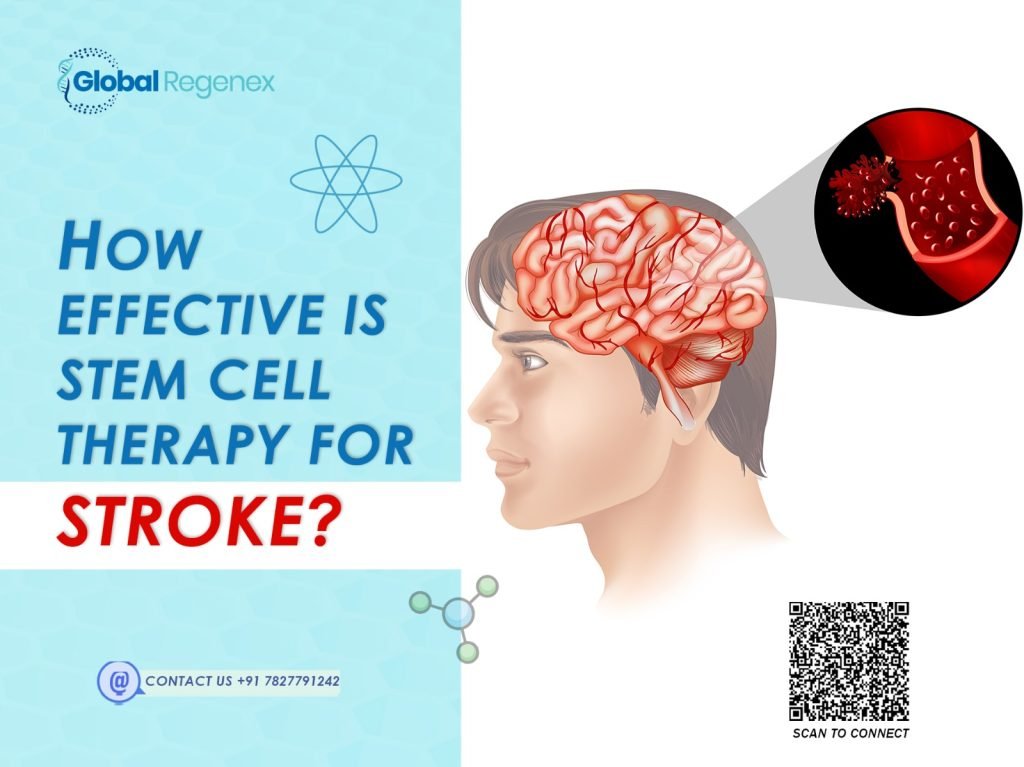
If you have someone you love who has experienced a stroke, you probably think, It is the end, but no! Even though you might have explored several treatment options, that could be medication, physiotherapy, or maybe surgery. But have you ever come across stem cell therapy? It is the most interesting and potential treatment for many degenerative and severe conditions. Due to its potential to regenerate damaged tissues and cells for healing in the body. Many patients are now turning to stem cell therapy in India for a second chance at recovery after a stroke. In this blog, let’s break down every important detail about this innovative therapy and how effective it is. Stem Cell Therapy for Stroke Stem cell treatment uses stem cells to reduce neuroinflammation by regenerating and replacing damaged tissue or nerves in the brain, which have been lost due to the effects of stroke. This ability of stem cells makes them a potential yet powerful alternative medicine for many degenerative and severe conditions. Stem cell therapy for stroke shows as promising new treatment options are currently explored to provide patient relief from the debilitating effects of a stroke. Many clinical results have been exciting, stem cells do offer themselves as a promising treatment for stroke. Benefits of Stem Cell Therapy for Stroke Recovery Targets Damaged Brain Tissue Stem cells possess the special capability of transforming into various types of cells. When they are injected into the brain or blood, they can repair or replace stroke-damaged neurons. This can ultimately salvage some of the lost capabilities, providing new hope for stroke survivors. Improves Mobility and Motor Function Weakness of limbs and mobility is one of the most prevalent after-effects of stroke. Stem cell therapy has been found to have extremely encouraging results in restoring the motor function and muscle control of stroke patients when used in combination with rehabilitation therapies in India. Reduces Brain Inflammation When recovering from a stroke, inflammation tends to cause more harm to the brain. Stem cells, through anti-inflammatory agents they release, can reverse this harm and provide a better healing environment in the brain tissue. Promotes Neurogenesis Neurogenesis, or the creation of new brain cells, is constrained after a stroke. Stem cells trigger the formation of these cells, stimulating natural repair mechanisms that could improve how the brain performs in the long run. Safe and Minimally Invasive Procedure Stem cell therapy in Delhi is generally conducted through noninvasive procedures such as intravenous infusion or spinal puncture. If done in licensed centers with expert doctors, the therapy is mostly risk-free with minimal unwanted side effects. Accessible and Affordable India has become a hub for stem cell therapy because of its world-class medical treatment and low cost. India clinics provide world class stem cell therapy and thousands of local and foreign patients prosper in there. For Consultation Ask about the procedure, possible advantages, and other information if you are looking for professional guidance to assist you in deciding whether or not to undergo stem cell treatment in Delhi. Global Regenex has professionals who can answer any questions you have regarding stem cell therapy and regenerative medicine and assist you at each step of your stem cell treatment. Summarization While the research on stem cell therapy for stroke is still ongoing, current results show that stem cell therapy holds a strong potential in helping patients with stroke recover important functions and improve their quality of life. If you are seeking advanced treatment options, exploring stem cell therapy might be a good step worth taking. If you still have doubts, consult with a Global Regenex professional to evaluate if stem cell therapy is right for your condition.
Five Important Considerations Before Going For Stem Cell Therapy
Are you considering stem cell therapy as a treatment for your medical condition? You are not the only one. Seeing the increasing success stories and promising clinical results, many people are exploring stem cell therapy as an alternative treatment for their chronic conditions. However, before you decide to book a session for yourself, it is important to fully understand the aspects of stem cell therapy. Being informed can help you make the right decisions, which leads to a healthy life. What is Stem Cell Therapy? Stem cell therapy utilizes stem cells. One of the most recognized things about stem cells is that they can differentiate into various kinds of cells within the body. They are an amazing option for the treatment of most infections since they heal by replacing and restoring the body’s damaged cells with new ones. It reduces inflammation in an injury site by restoring the damaged tissue. Benefits of Stem Cell Therapy Below are some benefits of stem cell transplant mentioned: Secure Treatment: Stem cells have significant capability to effectively promote healing in the body, especially for orthopedic trauma to ligaments, ruptures of the tendons, and cartilage injury. Less Pain and Inflammation: With immune system modulatory capability, stem cell treatment decreases chronic swelling and pain and heals conditions such as arthritis and autoimmune diseases. Less Invasive: Most stem cell treatments are non-surgical or minimally surgical, producing shorter recovery periods and less risk. Supports Natural Healing: Stem cell therapy does better than conventional treatment in activating the body towards the natural restoration of damaged tissue. Reduced Medication Use: Stem cell therapy reduces dependency on medication for pain and long-term pain relief. What You Must Know Before Starting Stem Cell Therapy? Know About the Therapy This therapy uses stem cells, which have the ability to develop into many different cell types. Stem cell therapy uses these cells to repair and regenerate damaged tissues. It is important to know the science behind the treatment so you can have realistic expectations about the results and recovery. Evaluate the Condition Being Treated Stem cell treatment is not effective for every condition. Whether the therapy works depends mostly on what condition you’re being treated for—a neurological disorder, an orthopedic issue, or an autoimmune disease. Study how your particular condition responds to stem cell therapy, and make sure to discuss all potential outcomes with your physician. Choose a Certified Clinic or Hospital Stem Cell Therapy in Delhi is picking up speed, and with that many clinics have cropped up, but all clinics do not have the same medical standards. You need to choose an experienced government-approved clinic that utilizes top-quality stem cells of ethical source and trained doctors on the job. Always make sure to look out for certifications and patient reviews. Know the Cost and Number of Sessions Involved Stem cell therapy can be costly and may require more than one sitting to be effective. It is advisable to go for an appropriate consultation before this to know the overall cost breakdown, number of sittings, and follow-up required. This will enable you to budget and prevent unexpected bills. Be Aware of Legal and Ethical Guidelines India does have regulatory agencies that oversee ethical stem cell use. Make sure your treatment adheres to the protocols of the Indian Council of Medical Research (ICMR) and other health groups. Stay away from clinics that promise too much or guarantee rapid results since these usually have red flags. For Expert Advice If you are inquiring about receiving stem cell treatment but would prefer to pose questions regarding the process, possible gains, or qualifying for treatment, seeing a specialist would be a wonderful idea. You can find out more about the best health and medical issues for your specific situation by speaking with Global Regenex experts. To ensure you receive the best assistance available, you can be walked through this process by experienced professionals in their field. As Conclusion Before opting for stem cell treatment, give yourself time to investigate, seek answers to your questions, and take advice. Opting for the right clinic, knowing what is wrong, and being prepared for what lies ahead will serve to make educated decisions. Performed responsibly, stem cell treatment in India has the potential to bring encouraging results and greatly enhance the quality of life.
How Expensive Is Stem Cell Therapy?
Stem cell therapy has evolved as a possible solution for multiple medical issues from orthopedic to neurological, among others, in the past few years. As its popularity grew, people across the globe began viewing it as a ray of hope and a chance for recovery, but the question that was often asked was, “How much is a stem cell therapy?” So let me provide you with a brief and straightforward answer. The price of stem cell therapy may differ depending on several factors, such as the nature of the diseases being treated, the country in which the treatment is conducted, the physicians, and once more, the source of the stem cells. So now, moving on to what are the key factors which determine the price of new medical technology. Stem Cell Therapy: An Innovative Medical Approach Stem cell therapy utilizes the capabilities of bone marrow- or fat-based stem cells that are delivered to the injured area. Stem cells have regenerative properties that enable them to differentiate into specialized repair cells, aid the inhibition of inflammation, and stimulate the body’s own healing capacity. Studying is being done to treat neurological disorders, immunological disorders, orthopedic injuries, and so on, which are turning out to be effective, and therefore, it can be a viable alternative and non-surgical option. Benefits of Stem Cell Therapy in India India has become a popular destination for stem cell therapy, where facilities on par with the world can be availed at a highly reasonable cost compared to many Western nations. As more and more hospitals and clinics acquire international certification, the patients are assured of superior quality treatment by employing the finest available medical technology. Cost-effective: Quality treatment without breaking the bank. Improved infrastructure: The most modern equipment and facilities. High Number of Treatments: Highly effective for orthopedic, neurological, and autoimmune disorders. Expert Physicians: Well-trained professionals who have studied in leading international institutions. Minimally invasive: Less time lost and faster recovery. Safety and Standards: International protocols are used by most clinics. All these benefits make India a favorite among patients from all over the globe looking for quality and effective stem cell therapy. With research still going on and friendly medical tourism policies, India remains at the forefront of this new-age science. Some Factors that Influence the Cost of Stem Cell Therapy The cost of stem cell therapy can vary on different factors that have been listed below: Condition & Type of Treatment The first and important factor is the condition the patient is being treated for. Different conditions require different procedures and approaches. For instance, if the orthopedic condition, it would be less costly than for neurological condition or spinal cord damage. The more experimental and complex the treatment, the more the chances of cost going up increases. Type of Stem Cells Used There are two ways to derive stem cells: autologous (from the patient’s own body) and allogeneic (donor). If the patient is treated through donor stem cells, it is more likely to involve higher regulatory and laboratory costs, which can impact your budget. Hospital & Private Clinic Treatment from private clinics or hospitals can charge you with different figures due to overhead and access to state-of-the-art research. Some private clinics can also be less expensive but might lack advanced infrastructure or regulatory controls. Pre & Post-Treatment Care The total cost for a patient undergoing stem cell therapy can include diagnostic tests, imaging, hospitalization, and follow-up visits. If the patient requires other treatment like physiotherapy, rehabilitation, or dietary regimens, these can also contribute to the total cost. Global Regenex: Your Perfect Partner for Stem Cell Therapy Consulting with an expert would be a great option if you are considering getting treated with stem cell therapy but want to inquire about the procedures, potential benefits, or qualifying for treatment. Seeking the opinion of Global Regenex specialists can enlighten you further regarding the best health and medical care for your individual case. These professionals with years of experience in their line of work can assist you through this process and have contacts with prestigious hospitals to help you get the best support you can possibly have. The Concluding Thoughts Stem cell therapy has a tremendous potential for replacing and regenerating damaged cells, but it is costly and bears a price that varies vastly based on location, ailment, and treatment details. Whether expensive or not, stem cell therapy in India may offer cheaper yet as effective alternatives. When considering stem cell therapy, it’s best to do your research, get a few different providers, and consult with Global Regenex to get the full price, including all those associated services, so you can make an informed decision.
How To Choose A Stem Cell Treatment Provider?
As you are aware of the power of stem cells as a potential treatment for many types of diseases, which can be treated through stem cell therapy to address a health condition or injury. However, with having so many options out there, providing stem cells, how should you choose the right provider? Whether you are looking for stem cell therapy in India, this blog is for you, guiding you to make an informed decision. Additionally, if you are interested in undergoing stem cell treatment, consulting with regenerative medicine experts at Global Regenex to find whether you are a good fit or not? Why Stem Cell Therapy? Stem cells are part of the body’s own self-repair mechanism. Stem cells are characterized by their own ability to differentiate into other forms of cells. They can cure anything ranging from joint and arthritis pain to neurological illness and can even be applied to cosmetic rejuvenation. But again, not all stem cell therapies are equal. The success of your therapy largely depends on the provider you choose. Key Factors to Consider When Choosing a Stem Cell Treatment Provider Expertise and Experience The most developed stem cell therapy needs a provider with an experience in the field of regenerative medicine. Clinics with doctors of high experience in regenerative medicine should be the ones to seek. For example, when searching for therapies with stem cells in India, make sure the providers are highly renowned for their expertise. Quality of Stem Cells Stem cells are certainly not equal. Depending on where they come from, how well they are made, and how they are prepared, the effectiveness of the treatment is sure to be impacted. Thus, inquire about where the providers are obtaining the stem cells and how they guarantee their quality and viability. Technology and Facilities For an effective stem cell treatment, sophisticated technology and world-class equipment are of significant importance. Preferred clinics would be those which possess the latest instrumentations and use best rigorous safe practices. The clinics would provide that in the event of lack of knowledge in the sector, a rigorous exploration hospitals would be done to seek such features, for example, facilities with contemporary laboratories and global-acceptable standards. Transparency and Communication An excellent provider will be extremely forthcoming about some parts of the procedure, expected outcomes, and potential risks involved. They ought to make some attempt to clarify all in great detail, respond to questions, and present a definitive treatment plan. Vagueness or loopholes provided by a clinic is a warning sign. Patient Reviews and Testimonials What do others say? Have some respect for reviews and testimonials, which are an indicator of the reputation of the provider in question. Young patients usually send good feedback messages following stem cell therapy in India; see it that this review assures you that you have chosen someone worth it. Customized Treatment Plants No two people are identical and hence their treatments. The approved practitioners need to try and probe your condition sufficiently in order to create a personal modification for you and yield optimum outcomes. Post-Treatment Care Healing and follow-up care is just as essential as the treatment procedure. Opt for a practitioner who provides complete after-treatment support, including scheduled follow-ups and aftercare guidance. Expert Advice? If you feel saturated by the options, you can reach out to Global Regenex for stem cell treatment or consulting. They have experience in providing patients with stem cell therapy as treatment across the globe, with having connections with many reputed hospitals. They can walk you through the process, provide you with answers, and plan a suitable treatment plan for your requirements. To Wrap Up Selecting the correct stem cell treatment center is extremely important in your quest for improved health. With expertise, technology, openness, and patient reviews on your mind, you are able to make an informed decision. Whether it is stem cell treatment in Delhi, rest assured that the better treatment center will always prove to be worth it. Are you ready to take the first step? Call Global Regenex today to set up a consultation and start their path to healing and recovery. Your health is worth it!
How Stem Cell Transplants Work Against Cancer?
No one wants to take on cancer, and with modern medicine, we can only hope it makes more strides. stem cell transplants and they’re fighting cancer. If you or a loved one is fighting this disease, you’ve likely heard of stem cell therapy as a possible avenue of treatment. But how does that even work, exactly? And what is the reason for the limelight around stem cell therapy in India? Let’s simplify this and break it down. Before we continue, if you want to know what experts say about stem cell therapy or want to undertake the treatment, consult with Global Regenex for further information. What Are Stem Cells? Stem cells are repairmen of your body, they are the raw materials of body cells, which give rise to the other forms of cells. They possess the ability to become any form of damaged tissue or cells in order to heal the injured part. Stem cells can be converted into nerve cells, blood cells, and so on, with such flexibility makes them an asset in regenerative medicine. Types of Stem Cell Transplants Stem cell transplants exist in two common types: Autologous Transplant: In this kind, the patient’s own stem cells are harvested prior to chemotherapy or radiation and then returned to the body afterward. This approach lowers the risk of rejection because the cells originate from the patient. Allogeneic Transplant: In this method stem cells are taken from a donor, usually a sibling or a matched unrelated donor. Although this approach is associated with a greater risk for complications, it also creates the possibility that the donor’s immune cells will attack any leftover cancer cells. How Does Stem Cell Transplant Fight Cancer? Stem cell transplants are commonly used to restore the body’s ability to produce healthy blood cells following high-dose chemotherapy or radiation for cancer. Here’s how it works: Destroying Cancer Cells: Cancer cells are destroyed with high-dose chemotherapy or radiation. But the process also destroys healthy cells, especially in the bone marrow, where blood cells are made. Replacing Damaged Cells: Once the cancer cells have been eradicated, stem cells are then transplanted into the patient’s body. These stem cells may be harvested from the patient (autologous transplant) or from a donor (allogeneic transplant). Rebuilding the Immune System: The transplanted stem cells move to the bone marrow and begin making new, healthy blood cells. That is critical for recovery and helps rebuild the immune system. Killing Remaining Cancer Cells: Especially with allogeneic transplants, the immune cells of the donor then can recognize and attack any remaining cancer cells, adding another layer of defense. The Life-Changing Potential of Stem Cell Therapy Stem cell treatment gave new hope to cancer victims who did not improve with regular treatment. They not only assist in reconstructing the immune system but also can directly target and destroy cancer cells more efficiently. For Consultation If you are overwhelmed with the choices, you can contact Global Regenex for stem cell treatment or consultation. They have expertise in offering patients stem cell therapy as treatment worldwide, with having associations with numerous well-known hospitals. They can guide you through the process, answer your questions, and schedule an appropriate treatment plan for your needs. The Bottom Line Stem cell treatment is a ray of hope for numerous patients for cancer therapies as they can be overwhelming. If you are considering stem cell treatment in Delhi for yourself or your loved one, you need to conduct an inquiry with professionals such as Global Regenex to understand the optimal time & mode of treatment. Interested in learning more? Call us at Global Regenex for a complimentary professional consultation and personalized treatment plan.