
Stem Cell Medical Tourism: Benefits, Risks & Global Regulations
Summary: Discover the landscape of stem cell medical tourism and its potential benefits, risks, and international regulations, and how patients can evaluate and apply this information to their individual conditions. In this blog, you will explore each aspect of stem cell science tourism for informed decision-making. As medical science has progressed in the field of regenerative medicine, stem cell therapy emerged as a supportive treatment for treating patients with severe, degenerative, and inflammatory conditions. As a result, demand has increased for treatments that may not be readily available locally, leading many patients to explore stem cell medical tourism for access to advanced therapies. However, understanding the difference between promotional and unrealistic claims and evidence-based stem cell science is especially important when traveling abroad for stem cell treatment. What Is Stem Cell Medical Tourism? Stem cell medical tourism refers to patients traveling across international borders to receive therapies based on stem cells or regenerative medicine. In contrast to other forms of medical tourism, treatments involving regeneration usually consist of biological products that demand strict safety protocols, ethical sourcing, and regulated clinical environments. Given that these therapies are often provided as supportive or investigational treatments, not necessarily guaranteed cures, regulatory oversight is especially critical in such contexts. Potential Benefits of Stem Cell Medical Tourism Stem cell medical tourism often involves patients traveling to other countries, where regenerative medicine is based on a regulatory framework or lower costs. While this field is still evolving and needs careful due diligence, patients often take advantage of the following benefits: Access to New Therapies: Availability of treatments that may not yet be approved in the home country. Lower Costs: The procedures are less costly in a country with lower costs and different regulatory systems. No Waiting Lists: Quick booking compared to waiting lists, which are common in nationalized healthcare systems. Specialized Expertise: Use of international clinics that specialize solely in regenerative medicine, as well as large patient volumes. Comprehensive Care: These institutions usually package therapeutic methods with holistic recovery processes such as physiotherapy and nutrition plans. Some Risks Associated With Stem Cell Medical Tourism Patients also need to comprehend the general risks associated with international regenerative medicine: Differences in regulatory standards between nations. Clinics operating without accredited hospitals or GMP-approved laboratories. Exaggerated claims regarding guaranteed or permanent outcomes. Follow-up care upon return home. Lack of transparency in cell sourcing and processing. Without the proper guidance, patients could inadvertently put themselves in harm’s way by undergoing treatments and therapies that may be unsafe or lack scientific and regulatory validation. Global Regulations Governing Stem Cell Therapies Internationally, stem cell therapy has been regulated in different ways. In India, at present, most stem cell–based interventions are considered investigational and, therefore, are allowed only in the context of an approved clinical trial or other structured research setting. Routine clinical use is restricted to well-established indications, such as hematopoietic stem cell transplantation for blood disorders. The following must be followed by any responsible regenerative program in India: Ethical cell sourcing and informed consent on record GMP-compliant laboratory processing and storage Institutional ethics committee approval and oversight Transparent patient documentation and disclosure of limitations In India, clinics with claims of guaranteed cures, universal protocols, or unverified outcomes fall outside the recommended medical parameters. Regulatory compliance, institutional credibility, and scientific validity need to be ascertained before patients consider any stem cell–based treatments. Regenerative Medicine: Why Regulation Matters More Than the Destination? In contrast to stem cell medical tourism, looking for regulatory compliance matters more than destination. Accredited hospitals, controlled laboratories, and ethical review processes are important for patient safety. Regulated care providers: Biologic safety and sterilization Realistic communication of outcomes Accountability and post-treatment follow-up Protection against deceptive business practices Unfamiliar environments mean greater associated medical as well as financial risks. Need For Expert Advice Stem cell tourism as a medical practice needs professional guidance. Global Regenex assists patients in checking the requirements for stem cell tourism, laws pertinent to the procedure, organization of the whole process, and formation of realistic expectations. The Bottom Line Stem cell tourism is both an opportunity and a responsibility. As regenerative medicine matures internationally, patient safety depends on regulation, ethical standards, and professional oversight. Patients accessing stem cell treatment abroad with the right information and in a responsible way are better positioned to benefit from stem cell–based treatment options. Commonly Asked Questions Q1. Is stem cell medical tourism a safe option for all patients? Ans. Safety is not based on the destination but on regulation, laboratory standards, and suitability for patient use. Q2. Are stem cell therapies available in all parts of the world? Ans. No. Numerous therapies are supportive in nature, experimental, and have national variations in regulation. Q3. Why do patients travel abroad for stem cell therapy? Ans. Ease of access, differences in cost, and potential availability of regenerative treatment options may all contribute to medical tourism. Q4. Can stem cell therapy guarantee outcomes? Ans. No. Outcomes depend upon the condition, biology, or stage of the disease. Q5. Why consultation prior to medical tourism? Ans. Consultation is beneficial for determining safety, eligibility, and realistic expectations prior to treatment. Reference Links Turner L. – Stem Cell Tourism: Emerging Challenges and Ethical Issues https://pmc.ncbi.nlm.nih.gov/articles/PMC2699675/ Lau D., Ogbogu U., Taylor B. et al. – Stem Cell Clinics Online: The Direct-to-Consumer Portrayal of Stem Cell Medicine https://pmc.ncbi.nlm.nih.gov/articles/PMC5755196/ Pattinson S.D., Caulfield T. – Stem Cell Tourism and the Risks of Unproven Therapies https://journals.plos.org/plosbiology/article?id=10.1371/journal.pbio.3000902 Squillaro T., Peluso G., Galderisi U. – Clinical Trials with Mesenchymal Stem Cells: An Update https://pmc.ncbi.nlm.nih.gov/articles/PMC3636724/ Trounson A., McDonald C. – Stem Cell Therapies in Clinical Trials: Progress and Challenges https://www.nature.com/articles/nrm.2015.10 Galipeau J., Sensébé L. – Mesenchymal Stromal Cells: Clinical Challenges and Therapeutic Opportunities https://www.sciencedirect.com/science/article/pii/S1525001625000930
Personalized Stem Cell Therapy: Tailored Treatments in 2026
Summary: Uncover the ways in which personalized stem cell therapy in 2026 adapts regenerative therapies to the biological needs of individual patients, exploring its scientific basis, beneficial aspects, and limitations. For patients dealing with severe, degenerative, or inflammatory conditions, it is common to move beyond symptom-based medications in search of more advanced therapeutic approaches. Fortunately, regenerative medicine has gradually progressed from being an experimental therapy to a more organized clinical practice. One of the major advancements in the area of regenerative medicine is the shift from standardized treatment approaches to patient-specific treatment approaches. In 2026, personalization is increasingly viewed as a way to improve treatment relevance while preserving ethical and regulatory standards. Yet, it is necessary to comprehend what personalization really refers to in stem cell therapy, and what it does not. What Is Personalized Stem Cell Therapy? Personalized stem cell therapy refers to regenerative treatment approaches that are adapted based on a patient’s medical condition, biological profile, disease stage, and overall health status. Instead of applying identical cell types, dosages, or delivery methods to all patients, clinicians design protocols that reflect individual variability. Most personalized stem cell interventions are considered supportive or investigational in nature. They are not universal cures and should be clearly distinguished from established treatments such as hematopoietic stem cell transplantation used for specific blood disorders. Personalization aims to enhance clinical relevance, not to bypass scientific or regulatory requirements. Scientific Foundations of Tailored Stem Cell Treatments Patient Evaluation and Diagnostic Profiling A personalized patient treatment begins with a comprehensive assessment. Clinical history, imaging studies, laboratory tests, and functional evaluations help determine whether a patient may be eligible for a regenerative approach. These evaluations guide decisions on treatment feasibility, safety considerations, and expected outcomes. Stem Cell Source and Selection One of the most important aspects of personalization is stem cell source identification. This can relate to autologous cells or allogeneic cells that are obtained from screened donors. Cell quality, viability, and compatibility are important factors that determine treatment structure. Customized Dosage and Delivery Methods Dosages, intensity, and modes of administration cannot be standardized. Variables influencing treatment design include disease severity, affected tissues, and the individual’s overall health. Tailoring aims to minimize overexposure while matching intensity to the needs of the patients. Potential Benefits of Personalized Therapy Customized interventions may have several theoretical advantages over standardized protocols: Improved alignment with the individual condition of each patient Targeted treatment planning may improve safety. Reduced the likelihood of unnecessary interventions. Smoother integration with rehabilitation, physiotherapy, and supportive care. Individual results will naturally vary, and personalization does not ensure better results in all cases. Potential Challenges & Limitations of Personalized Therapy Despite the promise, personalized stem cell therapy also faces challenges: Individual differences in response to treatment Limited long-term clinical experience in many therapies High dependence upon specialized infrastructure and expertise Regulatory constraints on individualized protocols Personalization adds complexity that must be addressed through clinical governance. Regulatory and Ethical Considerations Global Regulatory Landscape Currently, most individualized stem cell therapies are considered experimental or are offered under regulated research frameworks worldwide. The regulatory authorities concentrate on patient safety, bioethics, and scientific validation. Differences in national regulations can create confusion for patients researching treatment options. Ethical Oversight and Compliance Personalized regenerative medicine must adhere to ethical standards. These include the concept of informed consent, honest disclosure of possible outcomes, clearance, and processing in GMP-compliant laboratories. Guaranteed-outcome providers and those offering ‘universal’ protocols are not following traditional norms. Need For Consultation: Global Regenex Some patients explore personalized stem cell therapies offered overseas. Nonetheless, patient care and treatment strategies need consideration of compliance and the lab aspects rather than the location. Global Regenex helps patients through: Assessing treatment appropriateness and scientific merit The verification of GMP standards and clinical settings Establishing proper expectations and maintaining an element of continuity Getting professional advice is one way to manage risks associated with health and finances. To Bring It All Together Personalized stem cell therapy is a significant area that has developed in the field of regenerative medicine as we progress into 2026. Though personalized treatment can enhance relevance as well as address safety issues, efforts need to continue to be focused on evidence-based methodology. For the patient, the key lies in getting the right information from regenerative experts such as Global Regenex and setting realistic and transparent expectations. The future of regenerative medicine will be guided by positive personalization, not unfettered innovation. Frequently Asked Questions Q1. What is personalized stem cell therapy? Ans. Tailor-made stem cell therapy adjusts regenerative medicines based on the patient’s status, biological makeup, and clinical data rather than set protocols. Q2. Is personalized stem cell therapy approved in global markets? Ans. No. Most personalized stem cell treatments are considered investigational and fall under different regulatory guidelines in each country. Q3. Why is GMP important to stem cell therapy? Ans. GMP ensures stem cells are processed, stored, and handled in a manner that ensures cleanliness and safety, minimizing any chances of contamination and errors. Q4. How can patients verify clinic credibility? Ans. Patients can look for GMP-certified labs, NABL accreditation, NABH accreditation for hospitals, documented transparency, or unbiased supervision. Q5. Why is expert consultation required prior to stem cell therapy? Ans. Expert consultation can help in understanding the chances of eligibility, legal requirements of compliance, likely results, and protect patients from deception related to unverified reports of treatment. Reference Links Squillaro T., Peluso G., Galderisi U. – Clinical Trials with Mesenchymal Stem Cells: An Update https://pmc.ncbi.nlm.nih.gov/articles/PMC3636724/ Galipeau J., Sensébé L. – Mesenchymal Stromal Cells: Clinical Challenges and Therapeutic Opportunities https://www.sciencedirect.com/science/article/pii/S1525001625000930 Trounson A., McDonald C. – Stem Cell Therapies in Clinical Trials: Progress and Challenges https://www.nature.com/articles/nrm.2015.10 Turner L. – Stem Cell Tourism and the Marketing of Regenerative Medicine https://pmc.ncbi.nlm.nih.gov/articles/PMC2699675/ Watch Video: Personalized Stem Cell Therapy
How to Choose an International Stem Cell Clinic Safely?
Summary: Find out how to select an International Stem Cell Clinic in a safe way by examining regulatory compliance, GMP standards, NABL and NABH accreditations, ethical transparency and regulatory compliance, scientific accuracy, and expert consultation. Patients dealing with chronic conditions such as neurodegenerative disorders or osteoarthritis often become dissatisfied with symptom-based treatments. This leads many to explore advanced and supportive therapies abroad that not only focus on symptoms but target the root cause. Fortunately, stem cell therapy has emerged as a supportive option for managing chronic and degenerative conditions, which lead patients to travel abroad seeking access, affordability, or emerging treatments that may not be available locally. However, regenerative medicines like stem cell therapy are biologically complex and frequently regulated as investigational or supportive treatments rather than routine clinical care. Trusting the wrong provider can expose the patient to medical, ethical, and financial risk. For this reason, patients must prioritize safety, transparency, and scientific credibility over marketing promises or geographic convenience. This blog outlines how patients can evaluate international stem cell clinics responsibly and make informed decisions. Why Understanding Stem Cell Therapy Matters When Choosing a Clinic Regenerative medicine, such as stem cell therapy, is a supportive treatment that utilizes stem cells to treat or manage various degenerative or severe conditions. Stem cells are tiny but unique cells that have the ability to differentiate into different types of cells in the body, such as muscle, nerve, etc, according to the needs. The main aim is to repair and restore damaged tissues and cells, and reduce inflammation by promoting the body’s natural healing mechanism. Potential Benefits of Stem Cell-Based Treatment The main goal of stem cell-based treatments is to leverage the regenerative properties of stem cells to treat or manage various types of conditions or disorders. Especially, stem cell therapy works for: Stimulate Tissue Regeneration: Stem cells can develop into various cells. For example, they can be converted into muscle and bone cells and nerve cells. Modulate the Immune System: Stem cells have immunomodulatory capabilities, which are useful in treating immune system disorders by controlling abnormal immune responses in the process. Reduction of Inflammation: It has also been suggested that stem cells may secrete anti-inflammatory cytokines that help in decreasing inflammation and reducing the incapacitating symptoms of inflammatory conditions. Quality of Life: With stem cell therapy aiming to address the underlying mechanisms of degenerative conditions by tackling their root causes, it is expected to improve the quality of life for individuals who would have otherwise continued to suffer from their current afflictions. These benefits clearly reflect the potential for stem cell therapy to present a new horizon for the treatment of conditions for which there is a scarcity of current treatments, hence enhancing medical science. Importance of Regulatory Oversight in Stem Cell Therapy Stem cell therapies vary in their regulation from country to country. Some stem cell therapies, such as hematopoietic stem cell transplantation to treat blood-related disorders, are established, whereas others are still investigational in their application in tissue regeneration. Patients should know: Whether the treatment is approved, supportive, or experimental. If the therapy is being provided under a regulated clinical or research model Whether the national health authorities and ethics committees oversee the treatment Those who offer guaranteed cures, permanent results, or universal protocols frequently function outside the realm of acceptable standards of practice. Regulatory clarity is the foundation of patient safety. Laboratory Standards and Cell Processing Quality Stem cells are biological products, and their manipulation requires stringent laboratory conditions. For reputable international clinics, labs with GMP standards in cell processing are paramount. Sourcing, sterility testing, traceability, and proper documentation are some factors essential to providing care for patients. Most clinics that cannot account for the processing, storage, or quality of the cells lack all of the infrastructure necessary for responsible patient care. Assess Ethical Standards and Patient Protection Ethical governance represents an indispensable feature of responsible therapy with stem cells. It is essential for a patient to confirm: Informed consent procedures that clearly explain risk and investigational status Oversight by an institutional ethics committee transparent documentation, protection of the patient’s data Ethical clinics are those that inform and empower the patients rather than pressurizing them out of urgency. Importance of Post-Treatment Care and Follow-Up Stem cell therapy is not just the procedure itself. After the therapy, follow-up care is necessary to observe the results and possible adverse effects. Responsible clinics offer: Structured post-treatment follow-up plans Coordination with the patient’s local healthcare provider Clear advice on recovery, monitoring, and warning signs There is no provision for follow-up in the most dangerous international treatments. Need Expert Consultation If you are considering stem cell therapy in India. Expert consultation in stem cell decisions ensures safety and is informed by verification of clinic credibility, GMP compliance, and ethical standards. Global Regenex guides patients with evidence-based evaluation, regulatory insight, and realistic treatment expectations. Final Wording Choosing an international stem cell clinic requires more than optimism or location-based decisions. Regulatory compliance, accredited infrastructure, ethical transparency, and scientific credibility are the foundation of a safe and healthy stem cell therapy process. Patients who seek stem cell treatment with informed caution and professional guidance are better positioned to protect their health while exploring regenerative medicine responsibly with expert guidance. Frequently Asked Questions(FAQs) Q1. Why is consultation important before stem cell treatment abroad? Ans. Consultation with a panel of experts, such as Global Regenex, helps authenticate the credibility of the clinics in medical aspects with less possibility of legal risks. Q2. Are all international stem cell clinics regulated? Ans. No. Different regulations apply to different countries. India is often considered due to structured guidelines and regulatory oversight when stem cell treatments are pursued through appropriate and approved channels Q3. What certifications should patients look for in stem cell clinics? Ans. Patients should look for GMP-compliant laboratories, NABL-accredited testing facilities, and NABH-accredited hospitals. Q4. Can expert consultation prevent misleading stem cell claims? Ans. Yes. Also, it helps to detect exaggerated advertising, the absence of evidence, and non-compliant
Best Countries for Regenerative Medicine Treatment in 2026
Summary: Stem cell therapy as a supportive treatment has drawn increasing scientific interest. India has emerged as a structured and research-aligned destination for regenerative medicine. It emphasizes regulated stem cell research, ethical clinical use, and a consultation-based process. India offers a balanced approach to safety, accessibility, and evidence-based regenerative treatment. As the world becomes increasingly aware of regenerative medicine, patients not only ask about the treatment option but also seek the right destination where treatment can be conducted responsibly and ethically. Though several countries around the world are focusing on biological therapies in healthcare, India has quietly established itself as a location where regenerative medical treatments happen in a defined scientific environment. Rather than being driven by promotional and unrealistic claims, the developing regenerative medicine ecosystem in India is now more focused on assessing patients, setting practical expectations, and adopting biologically sustainable approaches. It is for this reason that, at the start of 2026, India is increasingly considered an option for patients seeking regulated regenerative care. Let’s understand a little more in detail why India is a preferred destination for regenerative medicine like stem cell therapy. Understanding Regenerative Medicine In simple words, regenerative medicine is a transformative area that focuses on repairing, restoring, or regenerating the damaged cells, tissues, and organs in the body for healing and restoring functions. In contrast, traditional treatments often focus on symptom management through drugs or surgery, whereas regenerative medicine seeks to support biological repair mechanisms rather than focusing only on symptom management. Types of Regenerative Medicine Stem Cell Therapy: Leveraging the unique property of “undifferentiated” cells that possess the capacity to grow into differentiated cells like cardiac cells, nerve cells, and muscle cells. These cells can be implanted directly into the affected area. Tissue Engineering: Mixing cells with a biodegradable material and growth factors to “grow” a tissue or even an organ in a lab before transplanting it into a patient. Gene Therapy: In this therapy, patients’ faulty genes are modified to treat genetic disorders or enable the body to produce its own regenerative proteins. Biomolecules and Platelet Rich Plasma (PRP): Leveraging the growth factors present in a patient’s blood to promote faster healing of tendons, ligaments, and joints. Benefits of Regenerative Medicine Low Risk: Frequently employs the patient’s cells, ensuring a low risk of rejection due to immune system differences. Minimal Recovery: Most treatments are minimally invasive injections, thus do not have the long recovery times of surgical procedures. Therapeutic Potential: Aims to support tissue repair and functional improvement rather than lifelong symptom management. Personalized: Treatments can now be tailored to a patient’s respective gene or cell type. Why India Is Emerging As a Regenerative Medicine Destination The progress made by India in regenerative medicine has its basis in the country’s robust medical infrastructure and research tradition. Research institutions and facilities operate within the frameworks set by the nation and emphasize the safety and validation aspects. Key factors include incorporating the use of regenerative medicine in mainstream healthcare settings increased collaboration between international research organizations clear distinction between experimental research and clinical practice This balance ensures the patient is able to receive regenerative care without being subjected to unproven techniques. Regenerative Medicine in India: Regulatory Framework & Safety Standards India has nationally formulated regulatory guidelines governing stem cell research and clinical application. They ensure that the research is of an ethical standard. Prominent research, therapeutic institutions for regenerative medicine include: GMP-certified labs for cell processing NABH and NABL-approved hospitals for treatment Detailed processes regarding informed consent, traceability, and documentation Oversight to differentiate clinical research from commercial use These guidelines assist in distinguishing between licensed regenerative medicine and unauthorized kinds. Cost Accessibility Without Compromising Regenerative Medicine Quality One of the Indian strengths is cost accessibility and the preservation of scientific standards simultaneously. With low operational costs, effective infrastructure in the healthcare sector, and professionals, the cost-effectiveness of regenerative medicine remains in favor while maintaining recognized laboratory and clinical standards. This is why India emerges as a viable alternative for patients looking for long-term regeneration rather than a temporary palliative solution. Need for Consultation India is well-suited for patients with chronic, degenerative, or inflammatory conditions who look for evidence-based care and are ready for some biological improvements. However, the success of regenerative therapy often depends more on the guidance than on the therapy itself. This makes consultation with a regenerative medicine expert essential. This is where Global Regenex helps patients navigate scientific evidence, ethical standards, and personalized treatment coordination for making their healing journey seamless and guided. Final Verdict The future of regenerative medicine in India is shaped not by sensationalism but by structure and accountability in science and medicine. Through consultative care models and governed stem cell research initiatives in India, the country is increasingly recognized for its structured and responsible approach to regenerative medicine. Frequently Asked Questions Q1. Why is India considered the leading country for regenerative medicine? Ans. India brings together regulated research, accredited hospitals, GMP-certified labs, and consultation-based care. Q2. Is the stem cell treatment in India safe? Ans. Safety standards are very well followed when done within national guidelines and certified facilities. Q3. How affordable are the regenerative treatments in India? Ans. India offers greater cost accessibility while maintaining recognized scientific and clinical standards. Q4. Is there any guarantee with the use of stem cell therapy? Ans. No. Results depend on the condition, stage of disease, and the individual’s biology. Q5. Why is consultation important before the treatment? Ans. Consultation ensures the assessment of suitability, ethics, and planning of realistic outcomes. Reference Links Squillaro T., Peluso G., Galderisi U. – Clinical Trials with Mesenchymal Stem Cells: An Update https://pmc.ncbi.nlm.nih.gov/articles/PMC3636724/ Trounson A., McDonald C. – Stem Cell Therapies in Clinical Trials: Progress and Challenges https://www.nature.com/articles/nrm.2015.10 Galipeau J., Sensébé L. – Mesenchymal Stromal Cells: Clinical Challenges and Therapeutic Opportunities https://www.sciencedirect.com/science/article/pii/S1525001625000930
Regenerating Joints: Stem Cell Success Rates for Osteoarthritis in 2026
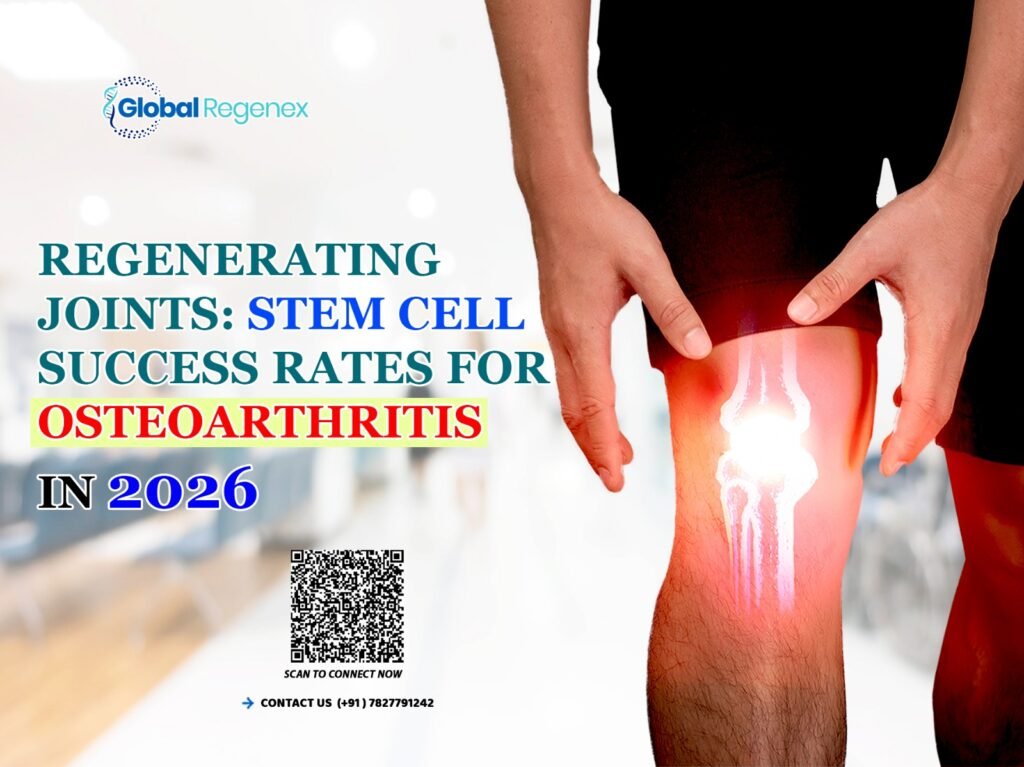
Summary: Stem cell therapy for osteoarthritis in 2026 promises a strong success in joint regeneration, enhancing mobility and decreasing pain with advanced medical science. With advanced technologies now supporting safer, more predictable outcomes for long-term relief. With a lack of physical activities and a poor diet, millions of people are now suffering from osteoarthritis, limiting movement and causing severe pain that disrupts one’s daily life. Traditional treatments like medications or injections often lead to temporary relief, but they don’t repair the underlying joint pain and damage. Many patients may feel stuck between managing symptoms and avoiding surgery. To talk about 2026, stem cell therapy is coming forward as a promising health treatment. With advancements in regenerative medicine, improved cell processing standards in the body, and better delivery methods, patients now experience stronger, more predictable results. Stem cell treatment in India is no longer just an idea but an alternative treatment for real joint repair. Let’s explore the success rate of stem cell therapy for osteoarthritis or joint repair. What Is Stem Cell Therapy for Osteoarthritis? Stem cell therapy uses the body’s natural healing system to repair and regenerate damaged tissues, reduce inflammation, and support long-lasting healing. For osteoarthritis, these cells help replenish cartilage, improve joint lubrication, and slow the progression of degeneration. Here are some benefits of stem cell treatment for osteoarthritis: Natural repair of damaged cartilage Reduced swelling and stiffness Improved joint mobility Slower breakdown of joint structures Minimally invasive and faster recovery Long-term relief compared to traditional options This makes stem cell therapy highly appealing for patients seeking alternatives to surgery or long-term pain medication. This form of treatment is increasingly recognized as one of the most promising approaches for cartilage regeneration therapy, helping joints regain function with natural biological repair. Why Are Stem Cell Success Rates Improving in 2026? The more advanced and precise the regenerative technology, the greater the success rate of the stem cell therapy. Some key upgrades that contribute to superior results include: Higher-Quality Stem Cells As the research continues to progress, 2026 seems as a standards that guarantees much higher cell viability and purity, which means that the injected cells function much more effectively inside the joint. Enhanced Targeted Delivery Doctors use image-guided techniques for delivering the stem cells precisely to the area of the cartilage where damage has occurred, thereby maximizing their therapeutic effect. Improved Understanding of Joint Biology Modern diagnostics enable more tailored treatment regarding the individual condition of each joint, which further improves the prospects of success in dealing with the various stages of osteoarthritis. Stronger Anti-inflammatory Response Many patients experience long-term reductions in swelling and joint irritation, allowing joint tissues to function more freely and comfortably. More Consistent Safety Standards Nowadays, several regenerative clinics follow stricter guidelines in regard to processing and therapeutics. These guidelines lead to much safer and more predictable experiences for patients. What 2026 Holds for Stem Cell Therapy for Osteoarthritis? As stem cell treatment in India has emerged as an advanced alternative treatment for many degenerative conditions, research is still progressing. With improvements in regenerative medicine for joints, patient outcomes are expected to grow significantly as treatment precision increases. While real-world results for 2026 will depend on ongoing clinical advancements, early projections from current research trends suggest the following potential outcomes: A growing percentage of patients have experienced meaningful pain reduction. Mobility improvements are expected to rise due to better precision in cell delivery. Slower joint degeneration is becoming more achievable with enhanced regenerative techniques. More patients may be able to delay joint replacement surgeries as therapies advance. Future treatments will offer longer-lasting results as monitoring and personalization improve. These projections are aligned with the expectations of the researchers and regenerative specialists, who foresee a gradual development of stem cell technologies up to 2026. Who Can Benefit from Stem Cell Therapy for Osteoarthritis? Stem cell treatment for osteoarthritis is most effective for individuals with: Mild to moderate osteoarthritis Persistent joint pain unresponsive to conservative treatment Thinning of cartilage, but not complete loss. Limited mobility owing to stiffness or swelling Desire to avoid or delay knee or hip replacement Active lifestyles affected by joint discomfort Stem cell treatment works as an effective cell-based therapy for OA, especially in patients who want to avoid long-term medication or surgical intervention. Not Ideal For End-stage “bone-on-bone” osteoarthritis Uncontrolled chronic illness Active joint infection A consultation with an expert at Global Regenex helps you determine suitability and expected outcomes. Expert Support: Global Regenex The choice of regenerative treatment may sometimes become daunting, especially when more options are weighed. Expert evaluation is necessary to make safe and informed decisions. Global Regenex consultation provides professional guidance, personalized assessments, and transparent treatment planning. Their team helps patients understand if stem cell therapy will be appropriate for their particular stage and type of osteoarthritis and offers support along the healing process. Final Verdict By 2026, stem cell therapy will be the flagship treatment of osteoarthritis, enabling patients to achieve real improvements in joint mobility, as well as pain relief lasting over time. Owing to success rates and the body’s regenerative potential continuing to improve, a future full of hope is finally opened to patients. Frequently Asked Questions Q1. How successful is stem cell treatment for osteoarthritis? Ans. The majority of patients are able to enjoy long-term pain relief, better mobility, and slowed-down cartilage degeneration. Q2. Are stem cells able to create new cartilage? Ans. They facilitate the new cartilage creation, protect the already existing cartilage, but the outcome depends on the severity of the condition. Q3. How long will the changes be effective? Ans. Several patients are able to keep quite a lot of improvement for 12–36 months. Q4. Is there stem cell therapy for OA in India? Ans. Yes, India offers accredited and safe stem cell therapy for osteoarthritis with qualified specialists, state-of-the-art labs, and more cost-effective treatment options than many other countries. Q5. How much is a stem cell treatment for osteoarthritis? Ans. The costs depend on the clinic, the severity,
The Rise of Personalized Cell-Based Therapies: What Patients Need to Know in 2026
Summary: Personalized cell therapies and treatment are now reshaping regenerative medicine. With AI mapping, careful and precise diagnostics, and patient-centric treatments, individuals now receive safer, more predictable healing options tailored to their biology for long-term recovery and enhanced results. Are you in search of treatment that is based on your condition and health history and provides you with relief that traditional treatment often failed to provide? As of 2026, regenerative medicine is expected to answer all those questions through personalized regenerative medicine, an alternative approach that tailors treatment to each patient’s unique biology. Unlike traditional treatments, doctors now use advanced technologies such as AI, genetic profiling, cell mapping, and more to personalize how cells repair damaged tissues. This shift means a safer process, better accuracy, and results that feel more natural and long-lasting to the patient. If you are considering regenerative therapy like advanced stem cell treatment in India, understanding how personalized cell-based therapy in 2026 works can help you feel more confident and informed about your healing journey. Keep reading. What Are Personalized Cell-Based Therapies in 2026? Personalized cell-based therapies depend upon the use of your own body’s cells, or donor cells from ethical sources, which are modified or selected to meet your biological requirements precisely. How they work: They analyze your genetic markers, immune profile, and tissue condition so that the doctor can choose the cell type most effective for precise healing. After processing in the lab, these cells become more effective in their regenerative abilities of restoring tissue damaged by inflammation, aging, or degenerative disease. For example, modern regenerative tools such as stem cell–based therapies and exosome-rich treatments are now guided by AI to match each patient’s biological profile for more predictable healing. This technology essentially changes the medicine based on how your body reacts. Therefore, the healing process is more natural, and there are fewer complications and unpredictable reactions. Why Is 2026 a Breakthrough Year For Personalized Treatment? As the research and studies in the field of regenerative medicine progressed, 2026 marks a turning point where medical science and technology may have finally aligned. Some key advancements may be expected this year: AI-Driven Cell Selection: These systems now help doctors identify the highest-quality cells, predicting how well they will regenerate tissues and reducing patient risk. Improved Lab Safety Standards: Following global protocols ensures consistency, purity, and safety of regenerative treatments used across the world. Faster Clinical Availability: More hospitals and centers are integrating personalized therapies, making them accessible rather than experimental. Top Benefits of Personalized Cell-Based Therapies For Patients in 2026 Here are some benefits of undertaking personalized cell-based therapies: Higher Success Rates Choosing personalized therapies that address your biological makeup, ensuring better tissue repair, reducing inflammation, and longer sustained improvement for long-term health. Fewer Side Effects As these treatments are fully personalized according to patients’ needs, which leads to matching the immune and genetic profile, minimizing the risk of rejection, discomfort, or complications in healing. Quicker & More Predictable Recovery The whole recovery plan is tailored to your needs, and the results are usually progressive, hence giving the patient more confidence and comfort. More Natural Healing The cells are essentially telling the body to fix itself, which means less need for artificial or surgical interventions. Chronic and Complicated Diseases Modified cell behavior and controlled regeneration can be a great source of relief in such diseases as osteoarthritis, autoimmune disorders, and neurodegenerative diseases. Conditions That Can Be Healed Through Personalized Cell-Based Therapies Here are some conditions that can be treated through personalized cell-based therapies: Orthopaedic Disorders Tissue-engineered cells have the potential to repair damaged cartilage, help a joint remain lubricated, and bring back the lost movement of a range of patients, from those suffering from osteoarthritis to those with sports injuries and degenerative tendons. Neurological Conditions These AI-selected regenerative cells provide neuroprotection, lessen inflammation, and thus, give a chance to the nervous system to heal after stroke, neuropathy, or early neurodegenerative changes. Autoimmune Diseases The importance of these therapies lies in the instruction of the immune system, which, when correctly functioning, no longer attacks healthy tissues and, therefore, there is a decrease in flare-ups as well as in the extension of the tissue damage. Metabolic & Age-Related Disorders Cell-based regeneration works with the metabolism, repair, and defenses of the tissues, thus increasing the cells’ resistance, which is a way to fight against aging. Why Personalized Cell-Based Therapies Matter Now? The single most significant shift in 2026 is in the realization that no two patients heal the same. Personalized cell therapy honors individual biology in the design of: Your healing speed Your immune behavior Your genetic risk factors Your treatment history It allows the patient to feel supported, understood, and medically safe. For Consultation: Trust Global Regenex It is important to select the regenerative treatments with professional help. Global Regenex will guide the patients regarding consultations and clear explanations through personalized assessments, which will provide them with the therapy they need for their biological profile. Their professionals maintain safety, ethics, and comfort so that each patient will be heard and cared for before, during, and after the treatment. Summarization By the year 2026, personalized cell-based therapies will revolutionize the face of healthcare, making healing safer, targeted, and enduring. Better diagnostics and sensitive counseling by Global Regenex mean that patients are more confident to explore regenerative options tailored to their specific biology. Frequently Asked Questions Q1. What is the advantage of personalized cell therapy over traditional treatment? Ans. Because the treatment is tailored to your unique biology, success rates are higher, side effects are fewer, and recovery is more predictable. Q2. Is personalized regenerative therapy safe? Ans. It is absolutely safe, provided it is performed in accredited facilities with proper diagnostics. Personalization decreases the probability of immune rejection and the treatment side effects, too. Q3. What diseases can be treated most effectively with personalized cell-based therapies? Ans. The ones that respond best are joint degeneration, autoimmune disorders, neurological injuries, and aging-related decline. Q4. How long does the
Success Stories: How Stem Cells Transformed Lives with Autoimmune Diseases

Summary: Stem cell therapy emerges as a hope for patients living with autoimmune diseases. By calming inflammation and repairing damaged tissues, regenerative treatment is helping patients regain mobility, strength, and confidence, which leads to meaningful improvements in daily life. A patient suffering from autoimmune conditions can make simple tasks utterly exhausting. Pain, inflammation, flare-ups, fatigue, digestive issues, and unpredictable symptoms are commonplace disruptors of daily routines. And when medications either stop working or bring on difficult side effects, many patients start to feel a sense of hopelessness. Regenerative medicine is changing this outlook. Stem cell therapy is becoming a very hopeful alternative that is directed towards maintaining the proper balance of the immune system and repairing damaged tissues. While far from being a cure, many patients are now experiencing surprising improvements in conditions previously thought to be impossible to achieve. These success stories show how cell-based therapy for autoimmune diseases is transforming lives What Are the Autoimmune Diseases? One suffers from an autoimmune disease when the body’s immune system mistakenly starts attacking the organs and tissues. Depending on the disorder, the symptoms could range from severe pain to swelling, digestive issues to nerve-related problems, and many others. Some commonly occurring autoimmune conditions include: Rheumatoid arthritis Multiple Sclerosis Lupus (SLE) Crohn’s disease / Ulcerative colitis Psoriasis Ankylosing spondylitis Traditional treatments suppress the symptoms often but cannot always stop long-term damage. It is different from the use of stem cells. They target the inflammation right at its very roots and promote natural healing. How Stem Cell Therapy Supports Autoimmune Recovery? Stem cells are a great resource that allows the immune system to regain its balance. Their natural healing abilities make them a very strong alternative treatment for autoimmune conditions. Key Benefits of Stem Cell Therapy for Autoimmune Diseases Reduces chronic inflammation of joints, nerves, and organs. Smooths out an overactive immune response and allows the body to stop its attack on itself. Assists in the repair of damaged tissues, including nerves, joints, or intestinal lining. Improves general energy, mobility, and overall functioning. It also provides longer symptom stability. Because of these trends, many patients are experiencing meaningful and life-changing improvements. Success Stories: How Stem Cells Change Lives for Autoimmune Patients Rheumatoid Arthritis: Returning to a Pain-Free Walk A 48-year-old patient inquired about severe swelling in her joints and early morning stiffness. This was making it hard for her to walk short distances. After consulting with Global Regenex, she underwent stem cell therapy and a supportive care plan, and she noticed outstanding reductions in swelling within months of treatment. She experienced her best grip strength, easy and seamless movement, fewer flare-ups, and gained the ability to enjoy walks with no pain lingering in her shoulder anymore. Multiple Sclerosis: How to Restore Strength and Balance A 36-year-old male with multiple sclerosis experienced muscle weakness, spasms, and trouble maintaining balance. His symptoms progressively limited his independence. After stem cell therapy, he reported that his legs felt much stronger and the spasm frequency was reduced. After six months, he was showing improved coordination and was able to get up and walk with increased confidence. Lupus (SLE) – Less Flares and New Energy A lupus patient, 29 years old, has been dealing with chronic fatigue, skin flare-ups, and organ inflammation. Standard medications, however, have only made her weaker. She has gone through stem cell therapy, and her flare-ups have become less frequent and her skin is healing nicely, and she has a bit more energy. Her doctors even saw that the levels of inflammation markers were lower and her general condition was stable. How Stem Cell Therapy in India Brings Hope for Autoimmune Patients? As findings from global regenerative research continue to grow. Stem cells are powerful for the reason that they treat the root causes of autoimmune conditions, not just symptoms. How They Help Repair tissues injured due to chronic inflammation Restore natural immune balance Decrease the use of long-term steroids Support long-lasting relief Improve the quality of life Many patients refer to this as finally feeling like themselves again. For Expert Advice Autoimmune diseases can overwhelm one, and choosing a treatment path requires clarity from expert support. For instance, Global Regenex has consultations personalized to the patients on whether stem cell therapy is right for their respective conditions. Their team guarantees safety and transparency throughout the healing process. Putting It All Together As stem cell therapy is transforming the way to treat autoimmune patients, who are looking for long-lasting improvement. From decreased inflammation to renowned energy and mobility, many are experiencing life-changing benefits. Regenerative medicine treatment with the right guidance can be a meaningful step toward long-term immune repair through stem cell-based regenerative treatment. Frequently Asked Questions Q1. Do stem cells cure autoimmune diseases? Ans. Although stem cells cannot treat autoimmune diseases independently, they can reduce inflammation and repair tissues, providing a beneficial environment for long-term stability of symptoms. Q2. How long does it take for autoimmune symptoms to start improving? Ans. Many patients note early changes within weeks; however, greater improvements may take several months to develop. Q3. Are stem cells safe for autoimmune conditions? Ans. Yes, in case it is performed in accredited regenerative centers and by following proper medical guidelines. Q4. Can stem cell treatment reduce medication use? Ans. Over time, many patients take fewer medications, although this certainly depends on the severity of the condition. Q5. Is it possible to have a fulfilling life with an autoimmune disease? Ans. Absolutely, many people lead very full, active, and meaningful lives managing their autoimmune conditions with proper treatment, lifestyle management, and supportive care. Q6. Is the immunity stronger in people with autoimmune disorders? Ans. Not exactly. Their immunity is not stronger but overactive. It mistakenly attacks the healthy tissues, and the stem cell therapy used balances it, not increasing immunity. Reference Links PubMed – Stem Cell Therapy for Autoimmune Diseases https://pubmed.ncbi.nlm.nih.gov/33759038/ PubMed Central (PMC) – Full-Text Studies on MSCs & Autoimmune Disorders https://www.ncbi.nlm.nih.gov/pmc/?term=mesenchymal+stem+cells+autoimmune+disease ScienceDirect – Immune Regulation & Regenerative Cell
Stem Cells for Spinal Cord Injuries: From Paralysis to Partial Recovery
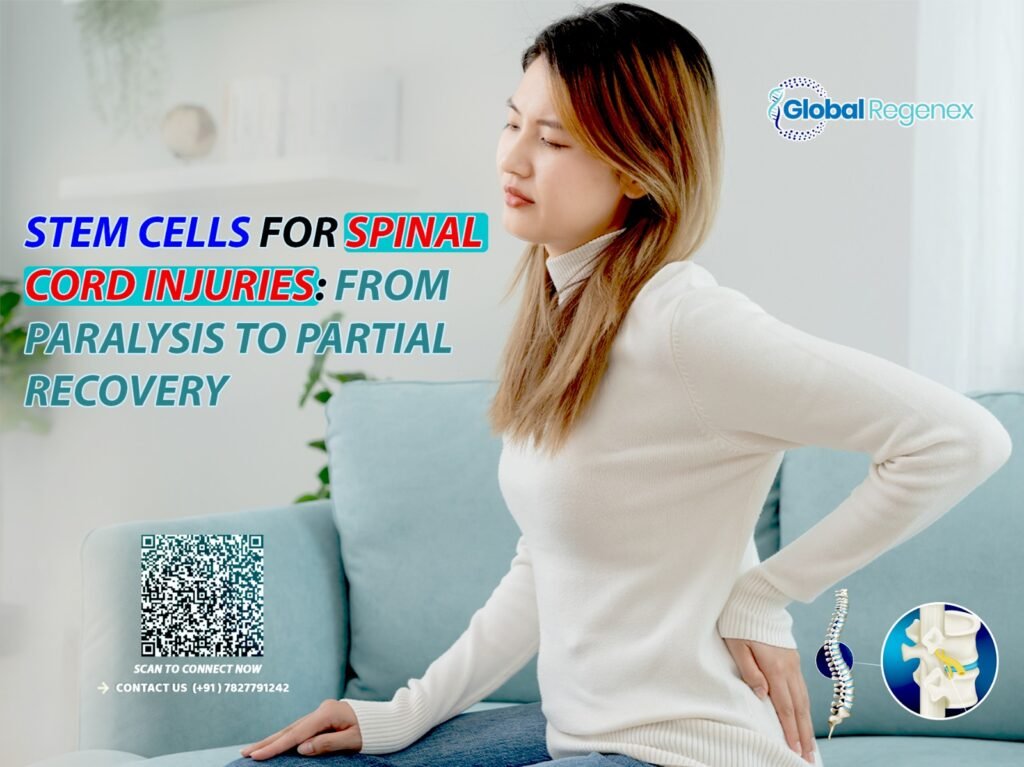
Summary: Stem cell therapy provides new hope for patients with spinal cord injury that supports nerve repair, reduces inflammation, and promotes partial functional recovery. It is a potential regenerative treatment approach showing promising improvements in mobility, sensation, and long-term healing. Suffering from spinal cord injury can drastically alter someone’s life in an instant-turning movement, sensation, and independence into daily challenges. Traditional treatments have been mostly aimed at preventing further damage, although they are often unable to reverse paralysis or restore function. But now, regenerative medicine is opening new horizons. Stem cell therapy in India aims to encourage nerve repair, reinstate communication between cells, and improve movement or sensation over time, hence becoming a hopeful option for so many patients seeking stem cell therapy for paralysis. While far from a complete cure, the partial recovery that this might make possible brings renewed hope to families around the world. Let’s explore what spinal cord injury is and how stem cell therapy can help. What Is Spinal Cord Injuries? A spinal cord injury occurs when a person suffers from a traumatic disruption in the communication between the brain and the body. Depending on the severity of the condition, it may lead to: Partial or complete paralysis Loss of sensations Difficulty in bladder or bowel control Muscle weakness and spasm Reduced independence in daily activities Once thought irreversible, these injuries are now being reassessed with the growing advancements of regenerative therapy. Learn more about regenerative solutions for neurological recovery. How Stem Cell Therapy Helps Spinal Cord Injuries? These cells can switch to any kind of cell type and mend damaged tissues. In the case of spinal cord injuries, they act as follows: Nerve Regeneration Support Stem cells work to replace the lost neurons by helping to reconnect pathways within the spinal cord and supporting the gradual return of function. Inflammation Control Severe inflammation disrupts the healing process. The healing molecules produced by stem cells mute inflammation, which helps the damaged tissues respond accordingly. Communication Signals Restoration These stem cells facilitate the repair of myelin damage and support the neural pathways, enabling better signal transmission between the brain and the body. Prevent Further Degeneration These stem cells can protect the remaining nerve cells and slow down further deterioration. Enhancing Functional Recovery Over time, some patients find gradual improvements in their mobility, sensation, bladder control, and muscular strength. What Improvements Can Patients Expect? These improvements are gradual and may continue for months as the nervous system responds to regeneration: Better mobility of the limbs or muscles Partial restoration of sensation Improvement in bladder and bowel management Reduced spasticity Stronger trunk control Better quality of life The chances of recovery depend on the severity of injury, the timing of treatment, physical therapy, and general health. Who Is a Good Candidate for Stem Cell Therapy? Patients may benefit if they have: Cervical, thoracic, or lumbar injury Partial or complete paralysis Chronic or recent spinal cord trauma Limited efficacy with standard treatments Good overall stability and medical fitness Each case requires detailed evaluation. Top Benefits of Stem Cell Therapy for Spinal Cord Injuries Here are some benefits of stem cell treatment for spinal cord injuries in India: Minimally Invasive Treatment Stem cell therapy is a less to no invasive procedure that reduces the risk and recovery time significantly. In most cases, patients can go back to their routine activities soon after, making it seamless for patients with mobility issues. Works at the Cellular Level Stem cells do not simply mask symptoms like drugs. In fact, they go straight to the interaction with the injured nerve tissue. These cells secrete factors that attract the body’s own cells, stimulate new cells to grow, and even repair the road for neurons to communicate in the spinal cord, which is a far cry from what conventional therapies can do. Long-Term Healing Potential Recovery continues gradually as the new cells integrate with existing tissues. In fact, many patients report improvements for several months, making this therapy potentially a long-term approach rather than some kind of quick fix. Improves Daily Living Even partial improvements, such as increased trunk control, fewer spasms, or more sensation, may greatly enhance independence. These changes help patients in managing daily activities with more confidence and less assistance. Improves Rehabilitation Outcomes Stem cell therapy, when combined with disciplined physiotherapy, can amplify progress. New cells create a more receptive environment for nerve training and help patients achieve stronger physical and functional gains. For Expert Advice Deciding on regenerative treatment may be overwhelming, especially when the condition is life-changing. For clear evaluation, ethical guidance, and supportive care, Global Regenex offers expert consultation to help patients understand whether the stem cell treatment fits into their stage and type of injury. To Bring It All Together Stem cell therapy brings renewed hope for spinal cord injury patients, offering potential improvements in movement, sensation, and independence. While not a cure, its regenerative power can support meaningful recovery. For personalized guidance, consult Global Regenex. Commonly Asked Questions Q1. Is paralysis from a spinal cord injury curable? Ans. It is possible to recover, but only partially, not completely. Most patients get increased strength, sensation, and daily function through rehabilitation and regenerative treatments. Q2. Do stem cells cure paralysis? Ans. While stem cells cannot completely reverse paralysis, they do provide nerve repair support, reduce inflammation, and have helped patients regain partial mobility or sensation over time. Q3. How long does it take to recover from an incomplete spinal cord injury? Ans. The recovery time is different for each case. Some may see improvement within a few weeks, but substantial progress is usually made over several months with physiotherapy and regenerative treatments. Q4. Is it possible to regain movement after paralysis? Ans. Yes, partial mobility may come back depending on the level of injury. This is quite common to have improved movement, balance, and muscle control through the use of treatments involving stem cell therapy, rehabilitation, and stimulation. Reference Links PubMed – Stem cell therapy for spinal
Personalized Regenerative Medicine: Tailoring Treatments to Your Genetic Profile
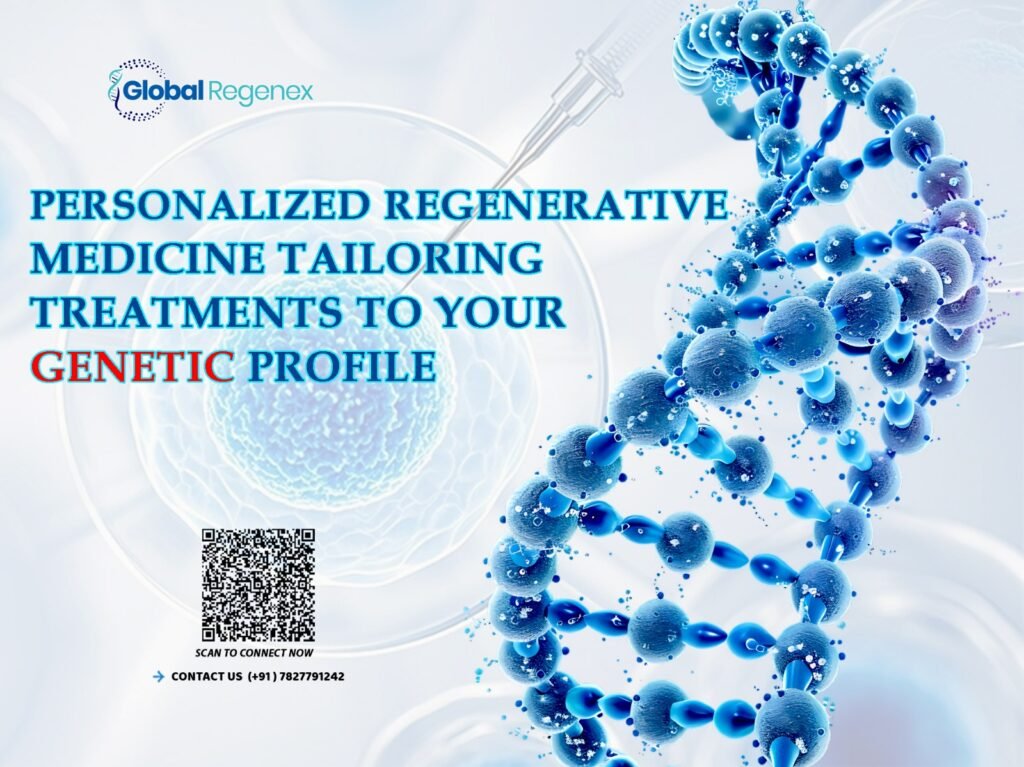
Summary: Genetic profiling forms the backbone of personalized regenerative medicine treatment design. It combines either stem cell therapy or exosome therapy with precision diagnostics for safer, more effective, and longer-lasting healing outcomes. Have you thought of some treatment that works miraculously for some people and produces very limited results for others? The answer often depends on the patient’s genetics. Nowadays, modern medical world, personalized regenerative medicine revolutionizes the healing of patients by using expert genetic knowledge in the design of treatments that fit patients’ needs. With advanced tools like genetic mapping, biomarker analysis, and even AI, doctors can now easily identify what type of regenerative therapy, such as stem cells, exosomes, or maybe a combination of both, to provide patients with the best treatment. Clarity, safety, and precision come with this approach for people who have so far struggled with chronic pain, autoimmune issues, neurological conditions, or age-related degeneration. Let’s find out how this innovative method works and why it represents the future in healing. What Is Personalized Regenerative Medicine? Personalized regenerative medicine is the integration of genetic profiling, cellular health, and disease pattern integration into treatment planning. Instead, it is an art in developing a personalized healing strategy in keeping with your very unique biological needs. How it works: It analyzes your genetic markers for cellular weaknesses to find the root cause of disease; that way, treatments can address the real biological problem. Helps doctors make the right choice of regenerative therapy-stem cells, exosomes, or a combination-based on how your body is predicted to respond. This reduces risks and enhances healing outcomes, since treatment is done according to your immune behavior and your capacity for tissue regeneration. Why Genetics Matter in Your Healing Journey? Your genetic makeup affects the level of inflammation, the speed of tissue repair, cellular injury, sensitivity to pain, and the rate of progression of the disease in question. Knowing these patterns enhances the decision-making capability of a regenerative specialist. Genetic profiling helps in the following ways: Predicting how well your body will respond to either stem cell or exosome therapy Identifying which ones of the therapies may reduce inflammation more efficiently. Determining whether your immune system is likely to reject certain cell types Choose the safest, most focused route for long-term healing. This makes regenerative treatment more predictable, personalized, and safer for every patient. Overview of Personalized Exosome Therapy Exosomes represent one of the most powerful cell-free communicators that can essentially change the situation by bringing the healing signals, and the most targeted are those that have been picked up based on genetic factors. Overview of Personalized Stem Cell Therapy Stem cell therapy works several times better when it is genetically targeted. Personalized stem cell therapy reprograms the cells to be compatible with your genetic makeup, thereby advancing the healing process for specific tissues such as nerves and cartilage, and also, chronic inflammation is lowered, thus, success, which can be predicted, and profound repair are guaranteed. Conditions That Can Be Treated Through Regenerative Therapies Here are some conditions that can be treated through regenerative therapies: Orthopedic Disorders: A genetically informed treatment is more effective in a way that it can lead to a natural restoration of cartilage, reduction of inflammation, and an increase in joint movement. Autoimmune Diseases: Identifying genetic markers leads to the discovery of immune dysregulation patterns, which in turn help the therapies to calm the overactive ones and protect the tissues. Neurological Conditions: Using a highly specific therapy, the nerve repairing process is supported, and also the release of inflammatory agents is hindered in neuropathy or the initial stage of degeneration. Chronic Inflammatory Disorders: Through genetic profiling, it becomes possible to know the very first inflammatory triggers and thus exosomes or stem cells may be allowed to target the biological underlying imbalance. Anti-Aging & Longevity: Designed to suit individual needs, the therapies work on tissue repair, collagen production, and mitochondrial. Why Personalized Regenerative Medicine Is the Future? Here are some reasons why: More Precise Healing: Treatments are selected according to your unique biological needs, rather than generalised medical assumptions. Reduced Side Effects: Genetics also helps to avoid certain therapies that your body may not tolerate well, increasing safety. Better Long-Term Results: Personalization supports deeper, more stable healing that might last months or even years. Empowers Patients: It helps an individual have a deeper level of their health and enables informed decisions. For Expert Advice Personalized regenerative treatments need to be weighed, interpreted genetically with due caution, and clinically undertaken with safety. Global Regenex consultation provides expert insights for guiding patients on their options of either stem cell therapy or exosome therapy, depending on their medical profiles. Their care is truly patient-centered, ensuring clarity, comfort, and confidence at each juncture along the way in this journey of healing. Wrapping Up Personalized regenerative medicine is a major leap forward into safe, precision healing. Tailoring a stem cell or exosome therapy to a patient’s genetic profile provides better patient outcomes and greater confidence. With expert guidance leading the way, the future of personalized recovery remains hopeful. Frequently Asked Questions Q1. How does genetic profiling improve regenerative treatment? Ans. Genetic profiling reveals inflammation patterns, healing speed, and immune behavior, helping specialists choose the safest and most effective regenerative therapy for individual patients. Q2. Is personalized regenerative therapy safe? Ans: Yes, it does. Treatment aligned with your genetic tolerance and healing capacity reduces risks. Q3. Is this type of stem cell therapy tailored to my genes? Ans. Absolutely, genetic and biomarker analysis will help in selecting the best type of stem cell and dosage for your needs. Q4. Are exosomes also applied in personalized treatments? Ans. Exosomes can be selected or modified according to your immune and genetic profile for even more precise healing. Q5. Who should consider personalized regenerative medicine? Ans. Those experiencing chronic pain, autoimmune issues, neurologic symptoms, or poor tissue repair are all candidates for therapies that may be targeted with information provided through genetic testing. Reference Links PubMed – Genetic Profiling in
Exosome Therapy & Cell-Free Regenerative Treatments: What They Are & Why They Matter
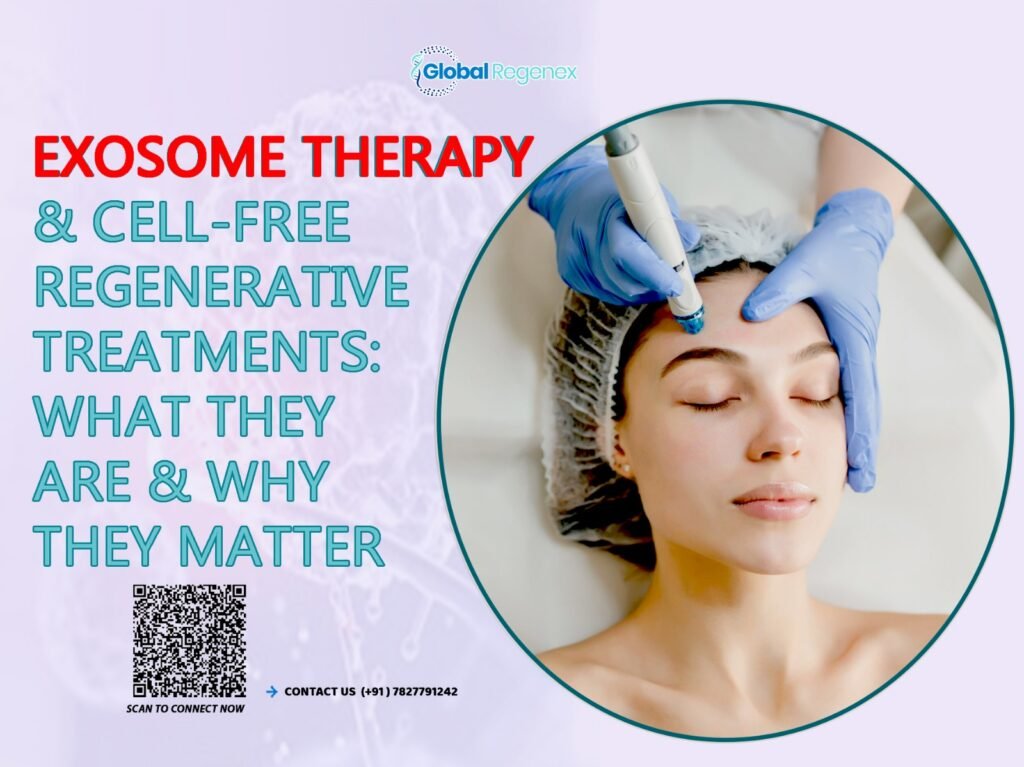
Summary: Exosome therapy is one of the most powerful cell-free regenerative treatments that repairs tissues, reduces inflammation, and improves healing naturally. This blog explores how exosomes work, their benefits, medical uses, and why they are becoming important in modern regenerative medicine. Have you ever thought of the way treating your condition without the need for surgery or any long-term treatment? This is only possible with modern regenerative medicine through exosomes therapy, a cell-free yet powerful treatment reshaping how patients recover from injuries, inflammation, and severe disease. Not like any traditional therapies that just soothe symptoms, exosomes present targeted healing signals that repair tissues from the inside out. The ability to decrease inflammation, support regeneration, and enhance cell communication is what is making them gain attention across the world in the area of cell-free regenerative medicine. If you are looking for a natural and science-backed path to healing, the coming sections will guide you to understand exactly why exosomes matter. What Is Exosome Therapy? Exosomes are small, naturally occurring particles that healthy cells release, particularly stem cells. They act as the communicative messengers of the body, carrying healing signals to sites that require some repair. How do they help the body in healing? Carry growth factors that assist in tissue repair Improve cell-to-cell signaling and coordination Reduce inflammation in damaged or stressed tissues Promote regeneration without using live cells Exosomes, according to research from around the world, play an important role in immune balance, wound care, and musculoskeletal and neurological repair. Exosome Therapy: How It Works Exosome therapy is an infusion or targeted injection method that introduces the healing messengers into damaged tissues. What happens in the body: Exosomes help reduce inflammation by calming down excessive immune activity. Tissues begin repairing with improved activity of the growth factor Cell communication improves, thus accelerating recovery. Regeneration improves, supporting long-term structural repair. Medical studies indicate that exosomes have the power to influence tissue healing pathways just like their parent stem cells, but without the safety concerns associated with cell-based treatments. What Are the Benefits of Exosome Therapy? Here are some benefits of exosome therapy: Reduces Inflammation Exosomes contain powerful anti-inflammatory signals that calm the overactive immune response, which leads to less swelling, stiffness, and pain in the affected joints, nerves, and muscles, thus creating a much better environment for long-term healing. Natural Tissue Repair Exosomes also deliver growth elements that direct the damaged cells toward repair. This can facilitate healthy tissue regrowth of cartilage, tendons, skin, and nerves, making patients’ recovery more complete and long-lasting instead of simply temporary symptom relief. Balance Immune System Exosomes modulate the immune pathways to depress excessive immune activities without suppressing the necessary immune functions. Such a balance is particularly beneficial for autoimmune problems, chronic inflammation, and long-term degenerative disorders. Boost Natural Healing Exosomes essentially speed up the body’s natural repair cycle that is natural to it by making cell communication more effective. Quite a few patients report that their recovery is speedier and that their downtime is shorter, and that tissue regeneration that is smooth is their experience after an injury, a medical procedure, or an orthopedic surgery. Cell-Based Therapy Since exosomes do not contain any live cells, they are safe for those patients who might not qualify for stem cell procedures because of age, immune conditions, or other medical restrictions. This will dramatically expand treatment accessibility. Less Risk of Rejection Since exosomes do not bear cellular structures, they do not provoke immune rejection. Because of this, exosomes are biologically safe, predictable, and well-tolerated. In this way, complications are minimized, with consistency in treatments for various medical conditions improved. Some Medical Conditions That May Benefit From Exosome Therapy Many exosomes are being researched in several fields for their different therapeutic uses. The promising response in the following conditions can be noted: Osteoarthritis & joint inflammation Tendon injuries and sports-related damage Neuropathy and nerve injuries Autoimmune inflammation Skin repair, burns, wound healing Dry eye disorder and corneal impairment Metabolic and chronic inflammatory disorders Their wide-ranging impact on immune and repair pathways makes exosomes a versatile treatment option. For Expert Consultation This is especially so for regenerative therapies, particularly exosome treatments. Global Regenex aids the patients in understanding whether they are potential candidates by providing transparent assessments, expert advice, and safe access to the latest regenerative protocols. The approach of this center is very patient-oriented, ensuring that each patient receives personalized, trustworthy support from exosome therapy consultation to recovery. The Concluding Thoughts Exosome therapy promises safe, natural, cell-free regeneration to make a difference in the future of healing. Backed by growing research and clinical usages, expert knowledge provided by Global Regenex gives patients an empowering alternative for long-term recovery. Frequently Asked Questions Q1. What is exosome therapy in simple terms? Ans. Exosome therapy uses tiny healing messengers from stem cells to reduce inflammation and repair damaged tissues in natural ways, sans the use of whole cells. Q2. How long does it take to realize the results? Ans. Most patients find noticeable changes within 4–12 weeks, though depending on the condition and general health. Q3. Is exosome therapy safe? Ans. Yes, it is safe if done under expert supervision, since exosomes contain no living cells, and consequently, there is a minimal chance of being rejected. Q4. Which conditions are more responsive to exosome therapy? Ans. Promising improvements concerning the current research are seen regarding joint pain, tendon injuries, nerve damage, autoimmune inflammation, and skin repair. Q5. Is exosome therapy superior to stem cell therapy? Ans. Not always. Each of them has its strong points. Exosomes are ideal for cell-free healing, whereas stem cells are utilized where the requirement for deeper tissue regeneration exists. Reference Links PubMed – Exosome Therapy in Regenerative Medicine https://pubmed.ncbi.nlm.nih.gov/?term=exosome+therapy+regenerative+medicine PubMed Central (PMC) – Full-Text Studies on Exosomes & Healing https://www.ncbi.nlm.nih.gov/pmc/?term=exosomes+tissue+repair Nature Reviews Molecular Cell Biology – Biology of Exosomes https://www.nature.com/articles/nrm.2017.125