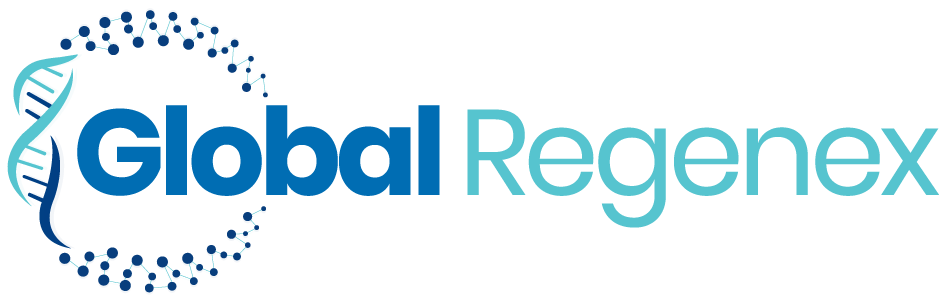
Latest Advances in Regenerative Medicine for Chronic Back Pain
Summary: Learn why regenerative medicine is being explored in research for chronic back pain, how far research has come, what the latest advancements are, and how one can be eligible for the treatment. Chronic back pain doesn’t have one clear reason. Many people can suffer from chronic back pain for different reasons—whether it is due to injury, posture-related strain, degenerative changes, or more. Over time, it can start to influence your daily movement and work life and even makes hard to sleep. For many years, the standard treatment method has revolved around pain management and functional improvement by means of physiotherapy, medicines, and even surgeries when necessary. Although all these methods prove effective for many patients, some still investigate new directions such as the regenerative medicine treatment. As a result, an increasing number of people became interested in exploring how the body’s natural repair mechanisms are studied in research. However, it is also necessary to differentiate between already investigated options and the remaining under research. Understanding Regenerative Medicine and Its Applications For patients considering regenerative medicine for back pain, it becomes important to understand how the treatment works before undergoing the procedure. As the idea of regenerative medicine is strongly based on—whether the body can be helped to repair itself rather than just managing the symptoms. Regarding chronic back pain, this involves investigating the ways that biology affects the reaction to tissue in the back. Rather than addressing the symptom of pain management, the focus is placed on exploring the way the underlying structures, like discs, ligaments, and surrounding tissues, respond over time. This is one of several techniques under investigation, each at different levels of development, none of which has been established as accepted practice. The Role of Stem Cells in Back Pain Treatment The reason why researchers are increasingly studying stem cells for back pain comes from how they may interact with inflammation and tissue response. Instead of concentrating on repairing the damaged parts of the spine, present-day stem cell therapy is more concerned with figuring out whether stem cells have an impact on the environment surrounding injured tissue. These aspects include their involvement in: sending biological signals that may influence healing processes participating in inflammation influencing the reaction of tissues in the long term Currently, results have been inconsistent. Some studies have shown promise for certain applications, whereas others have found little efficacy. Inconsistency is one of the factors contributing to the continued research in this field. PRP Therapy in Chronic Back Pain: What Research Is Exploring Another part of regenerative medicine is platelet-rich plasma (PRP) therapy, being explored by researchers and practiced in strict clinical settings. PRP therapy includes the use of substances extracted from the patient’s blood that contain growth factors. They are currently being investigated to establish their ability to help heal various musculoskeletal disorders, such as back pain. Some areas where PRP is currently under investigation include: injuries to soft tissues problems related to ligaments beginning degeneration Although some patients claim to have seen some positive results, the effects are not the same for everyone. Tissue Engineering and Its Impact on Spinal Treatment As research continues to grow. The focus has shifted beyond just cells to also include their surrounding environment Tissue engineering deals with how supporting structures, known as scaffolds, can be combined with biological strategies. These supporting structures serve to aid the functioning of the cells and hold them in place. In the context of spinal studies, the following may be investigated: aiding injured disc structures promoting tissue stability increasing biological interactions in the spine As noted above, it is an emerging concept that focuses on biological engineering. The Future of Gene Therapy in Regenerative Medicine Another area in regenerative medicine that is actively being researched is gene therapy. This therapy involves examining whether a patient’s specific gene can help influence how tissue responds to damage or degeneration. To shine a light on back pain research, the focus is on understanding if these changes can affect inflammation or tissue repair at a deeper level. Although it remains in its infancy, this marks a departure towards a more focused approach. Most developments in this area are still in the research stage. Need Expert Advice: Global Regenex When considering regenerative medicine treatments for chronic back pain, it is very common to receive misleading information because such treatment techniques have been developed recently and require further investigation. In order to understand all the types of their application to your individual case, it is necessary to consider this issue carefully. Consulting with the team at Global Regenex can help you understand what is relevant based on your condition and current research. This will allow you to be confident in your decision-making process. The Concluding Thoughts Chronic back pain often needs a steady, long-term approach to manage rather than one quick solution. While traditional treatment helped manage the symptoms for years—regenerative medicine is now being explored as a developing area of research, but still remains an evolving area rather than evidence-based care. Being aware of the possibilities as well as the limitations will help in making wise decisions. With proper guidance, individuals can proceed to evaluate promising innovations alongside effective treatments. Frequently Asked Questions Q1. Why Does Chronic Back Pain Not Improve Easily In Some Cases? It is because chronic back pain is often caused by various issues, like disc degeneration, muscle problems, and inflammation. Due to this, the recovery becomes slow and may require a combination of therapies. Q2. Why Is Regenerative Medicine Different from Conventional Therapies? Regenerative medicine concentrates on the way the body reacts to the process from a biological perspective, but it is still being investigated and not applied regularly. Q3. Is PRP Therapy Commonly Used For Chronic Back Pain? PRP injections are currently being researched for several musculoskeletal conditions, among which is back pain. However, the effectiveness of this method varies significantly. Q4. Can These Approaches Help Avoid Surgery Completely? Not yet. Standard treatments, including medication, physiotherapy, and in some
How Technology Is Making Regenerative Medicine More Accurate
Summary: Technology is indeed transforming regenerative medicine driving a more accurate diagnosis, personalising treatments, and tracking real-time progress. Utilizing data analytic tools, imaging tools, and AI for better well being of the patient. Most people often wondered how doctors know whether treatment is actually working inside the patient’s body? To shine a light on regenerative medicine, this question becomes important. Patients choosing treatment like stem cell therapy often look to repair damaged tissue, but for them to be more effective doctors need accurate information about the patient’s condition and recovery cycle. This is where modern technology changes the regenerative medicine field, facilitating doctors with advanced diagnostic tools to artificial intelligences. Technology is helping both doctors and researchers understand how the human body works in far more detail and tailoring personalized treatment for patients with different conditions. Let’s look at how different technologies are making regenerative medicine more accurate and personalized. Precision Diagnostics in Regenerative Medicine Traditionally, every treatment session begins with a proper diagnosis. With accurate diagnostics tests and reports help regenerative medicine experts find the root cause of the condition and how damage it has caused. Modern medicine follows the same sophisticated diagnostic equipment to gain a good understanding of a patient’s health. Biomarker Testing: These tests can measure blood markers that signify the presence of inflammation, cell damage, or disease progression. Genetic Screening: Some diseases are caused by genetics. This information enables the doctor to provide a better treatment plan. Advanced Laboratory Analysis: These tests measure the state of the cells before any regenerative therapy is administered. Doctors can provide regenerative therapy with more assurance when they have a more accurate understanding of the human body. Data Analytics and Its Role in Treatment Outcomes Top healthcare often has a huge amount of information such as patient records, imaging reports, labs results, and treatment outcomes. With data analytic tools regenerative experts utilize this information for better treatment. Rather than rely on experience, experts can now study patterns across many other cases. Data analytics helps in several ways: Understanding the percentage of patients who are successfully treated Determining based on data which therapies are most effective for the different conditions Adjusting treatment accordingly by referring to actual patient results and records This means regenerative medicine can gradually become more evidence-driven and accurate. Wearable Technology for Monitoring Regeneration Progress People, nowadays, use smart watches and other devices to monitor everyday health progress. For patients undergoing regenerative therapies, these devices provide useful insights into recovery. Doctors can track things like: Physical activity levels Sleep quality Heart rate patterns Mobility improvements Doctors can monitor patients in real time, rather than waiting for the next hospital visit. This ensures that treatment plans can be adjusted if necessary. Machine Learning Algorithms in Patient-Specific Therapy Machine learning is a type of artificial intelligence that assists computers in analyzing large amounts of information and recognizing patterns. In regenerative medicine, machine learning is also being researched to assist doctors in creating more personalized therapies. Machine learning systems may help doctors: Predict how patients may respond to stem cell therapy Analyze complex medical information more efficiently Assist in research studies by recognizing patterns in patient treatments By learning more about patients, machine learning systems may help doctors select therapies that are more appropriate for their individual needs. The Use of Imaging Technologies in Tissue Repair With imaging tools doctors can exactly pinpoint what is occurring in the body. This is particularly significant in the field of regenerative medicine, where the aim is to repair damaged tissue or cells in the patient’s body. Several imaging techniques assist doctors in monitoring the healing process: Magnetic Resonance Imaging (MRI): This technique is effective for checking patient’s soft tissues, nerves, and cartilage. Ultrasound Imaging: This method helps the doctor to view the tissues in real time. Advanced Cellular Imaging:This technique is employed in the research field to analyze the behavior of the cells in the regeneration process. These techniques assist the doctor in checking whether the healing process is proceeding as expected. To Bring It All Together With modern technologies, regenerative medicine has become more precise and personalized. From diagnostic to monitoring devices, helping both patient and doctors understand how the body is responding to the treatment and how well the body is healing. If you are looking for regenerative medicine, then Global Regenex can provide you with the guidance and consultancy you need. Frequently Asked Questions Q1. What is regenerative medicine? Ans. Regenerative medicine is a medical approach that heals damaged tissues using advanced supportive treatment such as stem cell therapy. Q2. How does technology help in the improvement of regenerative medicine treatments? Ans. Modern technologies assist medical expert diagnosis patients properly and provide a tailored treatment based on their condition. Additionally, evaluating after care progress of the patient. Q3. How does artificial intelligence help in the practice of regenerative medicine? Ans. Artificial intelligence uses large medical data sets and identifies patterns that can help medical practitioners develop customized regenerative medicine treatments. Q4. Can wearable devices help track recovery after treatment? Ans. Yes, wearable technology can help medical practitioners in evaluating the progress of patients using various health indicators such as the rate of activity and the rate of heartbeat. Q5. Why are imaging technologies important in regenerative treatments? Ans. Imaging technologies help medical practitioners in evaluating the progress of patients and determining if the regenerative medicine treatment is effective in the healing process. Reference Links Precision medicine and regenerative medicine integration https://pmc.ncbi.nlm.nih.gov/articles/PMC7288190/ Artificial intelligence in regenerative medicine https://pmc.ncbi.nlm.nih.gov/articles/PMC7864893/ Wearable technologies in healthcare monitoring https://pmc.ncbi.nlm.nih.gov/articles/PMC7506577/ Imaging technologies in regenerative medicine https://pmc.ncbi.nlm.nih.gov/articles/PMC6121288/
What Is Regenerative Medicine? A Complete Beginner’s Guide
Summary: Regenerative medicine is a medical approach to healing or repairing damaged tissues through the application of sophisticated medical technologies, such as stem cell therapy, tissue engineering, and cellular therapies, to enhance the healing process. Have you ever thought about if your body could heal the damaged tissues themselves after every injury? Seems fictional. Traditionally, most of the treatments are focused on providing patients with symptom-based relief or slowing the progression of the condition. But regenerative medicine, on the other hand, takes a different approach. Advanced treatment like regenerative medicines aims to restore and repair damaged tissues, helping the body recover functions properly rather than managing illness. Researchers are currently exploring its potential for treating many other conditions and disorders ranging from neurological to autoimmune. Due to this potential, over the few decades, regenerative medicine has also gained immense popularity worldwide as supportive treatment. For patients considering this advanced treatment, understanding its basics is an important first step. Introduction to Regenerative Medicine Regenerative medicine is a medical treatment that focuses on providing healing through repair and regenerating the damaged tissues or cells in the body. Instead of only treating symptoms, regenerative therapies aim to restore function in the affected area. Some of the important aims of regenerative medicine are as follows: Healing the tissues that are damaged due to injury or disease. Initiating the natural healing process of the body. Replacing the damaged tissues with healthy ones. Increasing the rate of the healing process for the patient. Stem cells play an important role in the practice of regenerative medicine, as these cells can develop into different specialized cells. History and Evolution of Regenerative Medicine With many decades of long research and clinical trials, regenerative medicine has achieved some of the major milestones. Here are the following: 1950s Bone Marrow Transplant The use of bone marrow transplantation was one of the earliest regenerative medicine treatments for blood disorders and certain cancers. 1990s Stem Cells Research Expansion Researchers started investigating stem cells for their potential to regenerate damaged body tissues and organs. Early 2000s Tissue Engineering Developments Researchers began to use stem cells along with biomaterials in order to make regenerative medicine therapies easier. Recent Years Clinical Trials for Regenerative Therapies The latest regeneration medicine research is geared towards neurological, orthopedic and metabolic conditions. Regenerative medicine is still making progress by small steps through new technology for understanding the regeneration ability of the human body. Key Principles of Regenerative Medicine Scientists examining regenerative medicine follow several scientific principles that guide the modern era of how therapies are being developed. Cell Regeneration: Our body continuously produces new cells to replace those damaged or lost, provided the biological environment is appropriate. Cellular Communication: Cells are capable of sending and receiving signals to orchestrate the repair process. Tissue Repair and Remodeling: Tissues have the potential to be restored to health with the right biological factors. Restoring Function Rather Than Managing Symptoms: One of the main aims of regenerative medicine is to bring back the health of the body rather than focusing on symptom relief alone. Common Techniques Used in Regenerative Medicine Different medical techniques are used by those who practice regenerative medicine. Stem Cell Therapy: Stem cells are special cells that have the ability to turn into other body tissues. Researchers are particularly interested in stem cells because they might be able to boost the body’s natural ability to repair and regenerate tissues. Tissue Engineering: This technique develops tissue repair structures using a combination of cells and biomaterials. Platelet Rich Plasma (PRP) Therapy: This therapy uses the components of the patient’s own blood to promote tissue regeneration by providing growth factors to the tissues. Cell Therapies: This therapy delivers healthy cells to the body for the purpose of tissue repair and regeneration as well as cellular function improvement. Research is being done on these techniques to find out how effective and safe they are for various conditions and disorders. Benefits and Challenges of Regenerative Medicine Just as any new treatment, regenerative medicine emerges with its own benefits and challenges. However, researchers are currently exploring how these therapies can safely support healing for patients while ensuring long-term effectiveness. Potential Benefits May help repair tissues and organs that have been damaged May improve the recovery of injured tissues and organs May reduce the necessity of surgical interventions May support the concept of personalized treatment approaches Current Challenges Some therapies are still undergoing clinical research Treatment responses vary among individuals Long-term safety and effectiveness are still being researched Medical regulations must be stringently enforced to guarantee safe treatments As a result of the aforementioned factors, regenerative medicine treatments must always be considered with the advice of a medical expert. Final Verdict Regenerative medicine is a breath of fresh air in the world of modern medicine. It is not only about healing but also about regenerating the damaged tissues instead of just treating the symptoms. The continuous research in the field of regenerative medicine gives a lot of hope of learning new ways to cure various diseases. Should you want to learn more about these revolutionary treatments, reach out to Global Regenex who can provide you with expert advice on regenerative medicine and stem cell therapy. Frequently Asked Questions Q1. What is regenerative medicine used for? Ans. Regenerative medicine is being researched for a wide range of diseases and disorders including joint damage, brain disorders, heart problems, and other conditions related to aging. Q2. How does regenerative medicine work? Ans. It repairs damaged cells and helps the body’s natural healing mechanisms by using methods like stem cell therapy and tissue engineering. Q3. Is regenerative medicine widely available today? Ans. While some procedures have become a part of regular healthcare, many regenerative medicine methods are still under clinical research and trials. Q4. What role do stem cells play in regenerative medicine? Ans. Since stem cells are capable of differentiating into various types of cells and they can replace damaged tissues, they are a main focus of regenerative medicine research.
Finding the Right Regenerative Medicine Clinic: 7 Things to Consider
Summary: Finding the right regenerative medicine clinic for your condition needs careful research. Learning therapies, expertise and clinical credibility helps patients make the rightful decision for better well being. When people dealing with different types of disorders or degenerative conditions hear about advanced treatment like regenerative medicine, the first thought in their mind is often hope. The idea of repairing and regenerating damaged tissues for healing using advanced medical techniques seems promising. Treatments like stem cell therapy and other regenerative medicine are being researched for conditions involving joints to neurological disorders. However, with growing interest comes high demand which leads patients to ask questions : how do you choose the right regenerative medicine clinic? Not each and every clinic follows the right procedure and safety standards, and patients often come across with a lot of confusing information. Understanding how regenerative medicine really works and what to look for in a regenerative medicine clinic can change your healing journey significantly. What Is Regenerative Medicine? As its heart of medical science, regenerative medicine often focuses on the body’s ability to heal itself. Unlike traditional treatments, regenerative medicine goes beyond just providing symptom-based relief. It promotes healing through repair and regenerate the damaged tissues in the body. Some of the main concepts of regenerative medicine include: Healing of damaged tissues, as opposed to controlling the symptoms Promoting natural healing processes within the body Using biological treatments that promote regeneration of tissues Regenerative medicine as a field of research includes conditions such as joint degeneration, neurological disorders, autoimmune disorders, and chronic conditions. Common Types of Regenerative Therapies As you begin your research on the topic of regenerative medicine, you will find that there are a number of different therapies that are talked about. Each of these therapies works to aid the body in its own natural healing processes. Some of the more popular regenerative medicine therapies that are often discussed are as follows: Stem Cell Therapy: This type of therapy works to use specialized cells to aid the healing process and combat inflammation in the affected areas. Platelet-Rich Plasma Therapy: This type of therapy works to use platelets derived from the patient’s own blood to aid the healing and repair of the body. Cell-Based Regenerative Therapies: This type of therapy works to stimulate the natural repair processes within the body. Biologic Therapies: This type of therapy works to use biological materials to aid the regeneration and repair of the body. Key Factors in Selecting a Regenerative Medicine Clinic Regenerative medicines do give a ray of hope for patients with chronic diseases. However, deciding the treatment is only the first step of your healing journey. Choosing the right clinic is one of the most important steps when considering regenerative therapy. Here are some following factors to consider: Medical Qualifications and Licensing: The hallmark of a genuine clinic is one that is properly regulated medically and overseen by medical professionals. Experience in Regenerative Medicine: Facilities with a background of working with regenerative medicine are most likely well, versed with the knowledge and treatment protocols. Clear Communication Regarding the Treatment: A real clinic is one that informs comprehensively the treatment, the expected results, and the potential risks. Evidence-Based Approach: One should search for clinics that operate upon scientific research and findings. Proper Patient Evaluation: Typically, reputable clinics carry out medical evaluations prior to the recommendation of regenerative treatments to their patients. Safety and Sterility Standards: Regenerative therapies should always be done in medical environments and must comply with safety standards. Follow Up and Patient Monitoring: Therapy does not simply finish at the operation. Legitimate clinics must provide treatment follow ups for monitoring as one of the post care options. By reflecting on these points, patients can better equip themselves with knowledge and safety when making healthcare decisions. Credentials and Experience of Practitioners Another important point that might help you in selecting a regenerative medicine clinic is the qualification of the medical team. For example, a regenerative medicine clinic really ought to have technically skilled personnel who understand cell biology and tissue regeneration. When selecting a doctor for your regenerative medicine, here are the questions you should raise to yourself: Do they have recognised medical qualifications? Do they have experience in regenerative medicine treatments? Are they involved in clinical research or ongoing training? Experienced regenerative medicine experts are probably going to adhere to safety protocols in medicine more strictly and they are likely to be quite reasonable when it comes to expectations of the treatment results Putting It All Together The process of looking for the right clinic for regenerative medicine involves a process of research and decision-making. It is always important to look for the right professionals who have the right knowledge, treatment, and advice. If you are looking for advice on the right option for regenerative medicine, consulting Global Regenex would be the right approach. Frequently Asked Questions Q1. What is the use of regenerative medicine? Ans. Regenerative medicine is the process of promoting healing in the body through the process of repair and regenerating damaged tissues and cells through various methods such as stem cell therapy. Q2. Is stem cell therapy a type of regenerative medicine? Ans. Yes, stem cell therapy is a type of regenerative medicine that is widely studied for the purpose of tissue repair and healing. Q3. How can I find the best clinic for regenerative medicine? Ans. You can find the best clinic for regenerative medicine based on the qualification of the practitioners and the experience of the clinic. Q4. Are regenerative medicine therapies widely accepted as treatment options? Ans. Some are widely accepted, while others are still in the research and clinical trials phase. Q5. Why is regenerative medicine considered a vital part of modern medicine? Ans. Regenerative medicine is considered a vital part of modern medicine as it provides the best treatment options for the repair of damaged tissue. Reference Links Stem cell therapy in regenerative medicine https://pmc.ncbi.nlm.nih.gov/articles/PMC7288190/ Advances in regenerative medicine https://pmc.ncbi.nlm.nih.gov/articles/PMC7367472/ Stem cell therapy:
Best Countries for Regenerative Medicine Treatment in 2026
Summary: Stem cell therapy as a supportive treatment has drawn increasing scientific interest. India has emerged as a structured and research-aligned destination for regenerative medicine. It emphasizes regulated stem cell research, ethical clinical use, and a consultation-based process. India offers a balanced approach to safety, accessibility, and evidence-based regenerative treatment. As the world becomes increasingly aware of regenerative medicine, patients not only ask about the treatment option but also seek the right destination where treatment can be conducted responsibly and ethically. Though several countries around the world are focusing on biological therapies in healthcare, India has quietly established itself as a location where regenerative medical treatments happen in a defined scientific environment. Rather than being driven by promotional and unrealistic claims, the developing regenerative medicine ecosystem in India is now more focused on assessing patients, setting practical expectations, and adopting biologically sustainable approaches. It is for this reason that, at the start of 2026, India is increasingly considered an option for patients seeking regulated regenerative care. Let’s understand a little more in detail why India is a preferred destination for regenerative medicine like stem cell therapy. Understanding Regenerative Medicine In simple words, regenerative medicine is a transformative area that focuses on repairing, restoring, or regenerating the damaged cells, tissues, and organs in the body for healing and restoring functions. In contrast, traditional treatments often focus on symptom management through drugs or surgery, whereas regenerative medicine seeks to support biological repair mechanisms rather than focusing only on symptom management. Types of Regenerative Medicine Stem Cell Therapy: Leveraging the unique property of “undifferentiated” cells that possess the capacity to grow into differentiated cells like cardiac cells, nerve cells, and muscle cells. These cells can be implanted directly into the affected area. Tissue Engineering: Mixing cells with a biodegradable material and growth factors to “grow” a tissue or even an organ in a lab before transplanting it into a patient. Gene Therapy: In this therapy, patients’ faulty genes are modified to treat genetic disorders or enable the body to produce its own regenerative proteins. Biomolecules and Platelet Rich Plasma (PRP): Leveraging the growth factors present in a patient’s blood to promote faster healing of tendons, ligaments, and joints. Benefits of Regenerative Medicine Low Risk: Frequently employs the patient’s cells, ensuring a low risk of rejection due to immune system differences. Minimal Recovery: Most treatments are minimally invasive injections, thus do not have the long recovery times of surgical procedures. Therapeutic Potential: Aims to support tissue repair and functional improvement rather than lifelong symptom management. Personalized: Treatments can now be tailored to a patient’s respective gene or cell type. Why India Is Emerging As a Regenerative Medicine Destination The progress made by India in regenerative medicine has its basis in the country’s robust medical infrastructure and research tradition. Research institutions and facilities operate within the frameworks set by the nation and emphasize the safety and validation aspects. Key factors include incorporating the use of regenerative medicine in mainstream healthcare settings increased collaboration between international research organizations clear distinction between experimental research and clinical practice This balance ensures the patient is able to receive regenerative care without being subjected to unproven techniques. Regenerative Medicine in India: Regulatory Framework & Safety Standards India has nationally formulated regulatory guidelines governing stem cell research and clinical application. They ensure that the research is of an ethical standard. Prominent research, therapeutic institutions for regenerative medicine include: GMP-certified labs for cell processing NABH and NABL-approved hospitals for treatment Detailed processes regarding informed consent, traceability, and documentation Oversight to differentiate clinical research from commercial use These guidelines assist in distinguishing between licensed regenerative medicine and unauthorized kinds. Cost Accessibility Without Compromising Regenerative Medicine Quality One of the Indian strengths is cost accessibility and the preservation of scientific standards simultaneously. With low operational costs, effective infrastructure in the healthcare sector, and professionals, the cost-effectiveness of regenerative medicine remains in favor while maintaining recognized laboratory and clinical standards. This is why India emerges as a viable alternative for patients looking for long-term regeneration rather than a temporary palliative solution. Need for Consultation India is well-suited for patients with chronic, degenerative, or inflammatory conditions who look for evidence-based care and are ready for some biological improvements. However, the success of regenerative therapy often depends more on the guidance than on the therapy itself. This makes consultation with a regenerative medicine expert essential. This is where Global Regenex helps patients navigate scientific evidence, ethical standards, and personalized treatment coordination for making their healing journey seamless and guided. Final Verdict The future of regenerative medicine in India is shaped not by sensationalism but by structure and accountability in science and medicine. Through consultative care models and governed stem cell research initiatives in India, the country is increasingly recognized for its structured and responsible approach to regenerative medicine. Frequently Asked Questions Q1. Why is India considered the leading country for regenerative medicine? Ans. India brings together regulated research, accredited hospitals, GMP-certified labs, and consultation-based care. Q2. Is the stem cell treatment in India safe? Ans. Safety standards are very well followed when done within national guidelines and certified facilities. Q3. How affordable are the regenerative treatments in India? Ans. India offers greater cost accessibility while maintaining recognized scientific and clinical standards. Q4. Is there any guarantee with the use of stem cell therapy? Ans. No. Results depend on the condition, stage of disease, and the individual’s biology. Q5. Why is consultation important before the treatment? Ans. Consultation ensures the assessment of suitability, ethics, and planning of realistic outcomes. Reference Links Squillaro T., Peluso G., Galderisi U. – Clinical Trials with Mesenchymal Stem Cells: An Update https://pmc.ncbi.nlm.nih.gov/articles/PMC3636724/ Trounson A., McDonald C. – Stem Cell Therapies in Clinical Trials: Progress and Challenges https://www.nature.com/articles/nrm.2015.10 Galipeau J., Sensébé L. – Mesenchymal Stromal Cells: Clinical Challenges and Therapeutic Opportunities https://www.sciencedirect.com/science/article/pii/S1525001625000930
Personalized Regenerative Medicine: Tailoring Treatments to Your Genetic Profile
Summary: Genetic profiling forms the backbone of personalized regenerative medicine treatment design. It combines either stem cell therapy or exosome therapy with precision diagnostics for safer, more effective, and longer-lasting healing outcomes. Have you thought of some treatment that works miraculously for some people and produces very limited results for others? The answer often depends on the patient’s genetics. Nowadays, modern medical world, personalized regenerative medicine revolutionizes the healing of patients by using expert genetic knowledge in the design of treatments that fit patients’ needs. With advanced tools like genetic mapping, biomarker analysis, and even AI, doctors can now easily identify what type of regenerative therapy, such as stem cells, exosomes, or maybe a combination of both, to provide patients with the best treatment. Clarity, safety, and precision come with this approach for people who have so far struggled with chronic pain, autoimmune issues, neurological conditions, or age-related degeneration. Let’s find out how this innovative method works and why it represents the future in healing. What Is Personalized Regenerative Medicine? Personalized regenerative medicine is the integration of genetic profiling, cellular health, and disease pattern integration into treatment planning. Instead, it is an art in developing a personalized healing strategy in keeping with your very unique biological needs. How it works: It analyzes your genetic markers for cellular weaknesses to find the root cause of disease; that way, treatments can address the real biological problem. Helps doctors make the right choice of regenerative therapy-stem cells, exosomes, or a combination-based on how your body is predicted to respond. This reduces risks and enhances healing outcomes, since treatment is done according to your immune behavior and your capacity for tissue regeneration. Why Genetics Matter in Your Healing Journey? Your genetic makeup affects the level of inflammation, the speed of tissue repair, cellular injury, sensitivity to pain, and the rate of progression of the disease in question. Knowing these patterns enhances the decision-making capability of a regenerative specialist. Genetic profiling helps in the following ways: Predicting how well your body will respond to either stem cell or exosome therapy Identifying which ones of the therapies may reduce inflammation more efficiently. Determining whether your immune system is likely to reject certain cell types Choose the safest, most focused route for long-term healing. This makes regenerative treatment more predictable, personalized, and safer for every patient. Overview of Personalized Exosome Therapy Exosomes represent one of the most powerful cell-free communicators that can essentially change the situation by bringing the healing signals, and the most targeted are those that have been picked up based on genetic factors. Overview of Personalized Stem Cell Therapy Stem cell therapy works several times better when it is genetically targeted. Personalized stem cell therapy reprograms the cells to be compatible with your genetic makeup, thereby advancing the healing process for specific tissues such as nerves and cartilage, and also, chronic inflammation is lowered, thus, success, which can be predicted, and profound repair are guaranteed. Conditions That Can Be Treated Through Regenerative Therapies Here are some conditions that can be treated through regenerative therapies: Orthopedic Disorders: A genetically informed treatment is more effective in a way that it can lead to a natural restoration of cartilage, reduction of inflammation, and an increase in joint movement. Autoimmune Diseases: Identifying genetic markers leads to the discovery of immune dysregulation patterns, which in turn help the therapies to calm the overactive ones and protect the tissues. Neurological Conditions: Using a highly specific therapy, the nerve repairing process is supported, and also the release of inflammatory agents is hindered in neuropathy or the initial stage of degeneration. Chronic Inflammatory Disorders: Through genetic profiling, it becomes possible to know the very first inflammatory triggers and thus exosomes or stem cells may be allowed to target the biological underlying imbalance. Anti-Aging & Longevity: Designed to suit individual needs, the therapies work on tissue repair, collagen production, and mitochondrial. Why Personalized Regenerative Medicine Is the Future? Here are some reasons why: More Precise Healing: Treatments are selected according to your unique biological needs, rather than generalised medical assumptions. Reduced Side Effects: Genetics also helps to avoid certain therapies that your body may not tolerate well, increasing safety. Better Long-Term Results: Personalization supports deeper, more stable healing that might last months or even years. Empowers Patients: It helps an individual have a deeper level of their health and enables informed decisions. For Expert Advice Personalized regenerative treatments need to be weighed, interpreted genetically with due caution, and clinically undertaken with safety. Global Regenex consultation provides expert insights for guiding patients on their options of either stem cell therapy or exosome therapy, depending on their medical profiles. Their care is truly patient-centered, ensuring clarity, comfort, and confidence at each juncture along the way in this journey of healing. Wrapping Up Personalized regenerative medicine is a major leap forward into safe, precision healing. Tailoring a stem cell or exosome therapy to a patient’s genetic profile provides better patient outcomes and greater confidence. With expert guidance leading the way, the future of personalized recovery remains hopeful. Frequently Asked Questions Q1. How does genetic profiling improve regenerative treatment? Ans. Genetic profiling reveals inflammation patterns, healing speed, and immune behavior, helping specialists choose the safest and most effective regenerative therapy for individual patients. Q2. Is personalized regenerative therapy safe? Ans: Yes, it does. Treatment aligned with your genetic tolerance and healing capacity reduces risks. Q3. Is this type of stem cell therapy tailored to my genes? Ans. Absolutely, genetic and biomarker analysis will help in selecting the best type of stem cell and dosage for your needs. Q4. Are exosomes also applied in personalized treatments? Ans. Exosomes can be selected or modified according to your immune and genetic profile for even more precise healing. Q5. Who should consider personalized regenerative medicine? Ans. Those experiencing chronic pain, autoimmune issues, neurologic symptoms, or poor tissue repair are all candidates for therapies that may be targeted with information provided through genetic testing. Reference Links PubMed – Genetic Profiling in