
Is Stem Cell Therapy Safe? Risks & Benefits Explained
Summary: Understand how stem cell therapy is being studied, what potential benefits and risks are known, and why it remains investigational rather than part of routine treatment. In most cases, when people first hear about stem cell therapy, the first thing that comes to their mind is that—whether this treatment is safe for clinical use. Just as with every new treatment, stem cell therapy is also present as an area of ongoing research in medical science, but the reality is more significant than people often see. Currently, there are several research studies being conducted in regenerative medicine and some other related areas, which have led to encouraging results in some cases. However, at the same time, not every outcome has been clearly established yet. This can unintentionally create expectations, even when evidence is still growing. As a result, this makes it important for people to understand both potential benefits and risks before considering undergoing stem cell therapy in India. Overview of Stem Cell Therapy Stem cells are regarded as unique cells because they are capable of developing into other cells of the body. Since these cells do not serve a specific function, they are being studied for their potential role in repairing and regenerating damaged cells or tissues. In simple terms, stem cell research is not based on instant healing. The goal is to investigate whether or not these cells can affect inflammation or tissue reaction. There are many different types of cells that can be considered when dealing with certain issues. Nonetheless, there is no one-size-fits-all method for every disease. Current Legal Regulations and Guidelines For the patient, before undertaking any new or investigational treatment, one of the most important things to understand is where this therapy stands legally and how much it has evolved to become legally safe. Stem cell therapy, except for the use of hematopoietic stem cell transplant, is not approved as a treatment method in India. It is regarded as experimental and can be performed only through clinical trials. This implies that: It should not be used as a regular treatment It must comply with stringent research procedures Ethical considerations are strictly observed Knowledge about the treatment prevents any misconceptions or misunderstandings. Common Myths About Stem Cell Therapy As the research in regenerative medicine, particularly in stem cell therapy, has progressed, it has gained attention as an area of research. However, before considering stem cell therapy, it’s important for patients to differentiate between what is information based on evidence and just a myth. There’s a lot of information circulating, and not all of it is accurate. Myth: Stem cell therapy as a Cure It is very unlikely for a reputable specialist to claim stem cell therapy as a cure. It may help in some cases and under some conditions, but a cure is too much–and setting such expectations means setting yourself up for disappointment. Myth: It can only be used in extremely serious cases This myth scares many patients from asking even one question. The areas researched by specialists range from joint degeneration to neurological disorders and immune system dysfunction–most of which are not necessarily threatening a patient’s life but are still in the investigational phase. Myth: Quick results will be visible When it comes to improvement, patient tend to improve from their condition gradually—over weeks and months rather than in days. A patient who expects results quicker often thinks the treatment does not work while the process is still underway. Myth: The whole industry is unregulated There have been concerns about unregulated practices in some settings, but there are research labs that overpromise and under-deliver. However, reputable institutes function within specific ethical and regulatory guidelines. This is an appeal for selecting wisely, not an excuse to shy away from the discussion entirely. Understanding these myths is important for making informed decisions. Future Prospects and Innovations in Stem Cell Therapy Research in the field of regeneration is gradually advancing, and monitoring the ongoing progress is essential to make informed decisions in the future. Researchers are focusing on: understanding inconsistencies in results identifying which patients may benefit more refining how cells are delivered combining therapies for better results While there is potential in the area, it is being handled cautiously. Future developments will be based on research and results. For Expert Consultation If you are thinking about stem cell treatment or want to know if it is an option for your condition, it would be best to stop, take a breath, and consult with an expert before proceeding. There are so many things out there that might not be relevant at all to your situation or even factual. Consulting with experts at Global Regenex can help you understand what is relevant based on current research and your individual condition To Bring It All Together Stem cell therapy is one of the most actively researched fields within the science of regenerative medicine. Although there have been positive results from the therapy, it is currently not part of the standard due to a lack of enough evidence. In addition to being aware of the advantages and disadvantages of stem cell therapy, your decisions can only get better when you consider both aspects, and staying guided by evidence and proper medical advice is the most practical way forward. Frequently Asked Questions Q1. Is Stem Cell Therapy Safe? It is dependent upon its application and implementation, as many applications have not been explored thoroughly yet. It should be considered in clinical environments only. Q2. What Are The Potential Risks of Stem Cell Therapy? Possible risks may include infections, variations in results obtained from therapy, and lack of information on their side effects in the long term. Q3. Are There Any Proven Benefits Yet? Some studies have explored potential outcomes, but results remain inconsistent regarding stem cell therapy. However, they can be considered beneficial only after further investigation. Q4. Why Is It Still Described As Investigational? As more evidence becomes available. Scientists continue to study its efficacy and safety, and
Is Stem Cell Therapy Safe for Autoimmune Digestive Disorders?
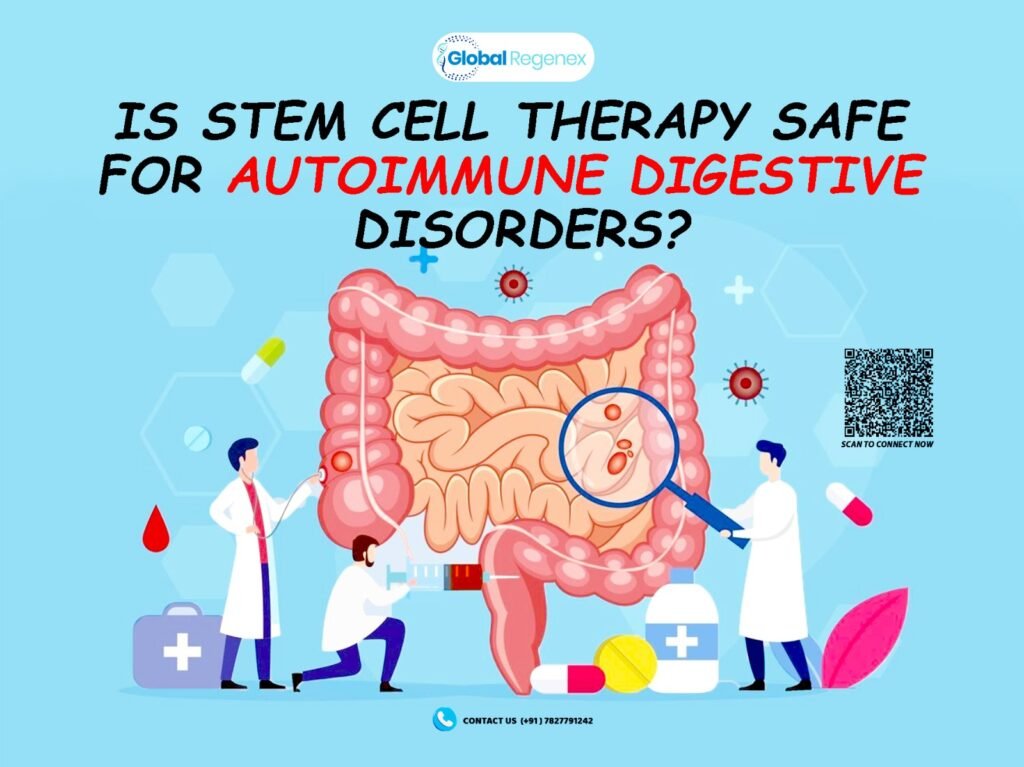
Summary: Exploring whether stem cell therapy is safe for autoimmune digestive disorders. Read this blog to understand how far research has come, what treatment involves, and why it is still being practiced under strict clinical environment. Suffering from an autoimmune digestive disorder is hard. As this condition doesn’t show up in the same way in every patient. This makes detecting this condition challenging. While in some cases, people tend to feel a consistent discomfort and unpredictable inflammations. And for others, it can easily influence nutrition, energy levels and everyday routine in a way you can easily notice. Sometimes, conditions like Crohn’s disease can be treated through medication and long-term treatments. Even then, symptoms start to stay presistent despte of the treatment. It is natural for people and families to look for other treatment areas, like regenerative medicine, that are currently being studied. Due to potential of stem cells, researchers have started to explore and discuss the possibility of future treatment. For patient, it is important to know exactly how process works—and where research stands at present—which will help the patient decide if it is worth pursuing. Overview of Autoimmune Digestive Disorders Autoimmune digestive disorders often arise in patients—when the immune system in the body starts to mistakenly attack various parts of the digestive system. As a result, it triggers inflammation around the affected area in the body. This may cause: chronic abdominal pain alterations in bowel movements tiredness and nutrition problems Such disorders tend to be recurring in nature, where flare-ups alternate with periods during which their symptoms are relatively well-controlled. Given this reality, treatment tends to consist largely of anti-inflammatory care designed for long-term stability. Mechanism of Stem Cell Therapy for Autoimmune Digestive Disorder The reason for fascination with stem cells lies in their ability and are being studied for their potential role in influencing immune response and tissue repair. In simple terms, research involving stem cell therapy revolves around their role in modulating the immune system and tissue healing. To get some information about autoimmune diseases in the digestive system, the question here are if these cells could be used: regulating inflammation markers modulating immune system functions promoting tissue repair It should be kept in mind that we have only scratched the surface of their potential and that we cannot predict their effects yet. Types of Stem Cell Therapies for Digestive Health After preliminary research, it seems regenerative medicine, such as stem cell treatment, is being actively explored in current research. In this case, we can explore various stem cell strategies used in cases of digestive disorders. Mesenchymal Stem Cells (MSCs): This treatment strategy has been extensively studied because of its potential application to regulate the immune response and inflammation. Hematopoietic Stem Cell Treatment (HSCT): For certain diseases, this treatment has already been used clinically for regulated disorders related to blood abnormalities. Other Cell-based Treatments: There is another set of treatments that has become popular, although they are currently undergoing research in many instances. Overall, there are several differences between these treatments based on their application and objectives. Nevertheless, it should be noted that all of these treatments remain experimental and are still under clinical trials. Safety and Efficacy of Stem Cell Treatments When considering any new treatment, one thing that remains every patient’s priority is—how safe is the treatment? Safety and effectiveness are key areas being evaluated in research. In the context of stem cell treatment, so far, research studies show results that remain inconsistent and vary from patient to patient. For some patient in clinical settings have experienced improvement in symptoms, while others have not. Additionally, some factors that may influence safety and efficiency include: differences in patient conditions differences in treatments lack of long-term study Therefore, due to these reasons, the treatment remains under observation for its efficacy and safety. For this reason, the therapy is not commonly used. Regulations and Approval Status of Stem Cell Therapies For every patient considering stem cell treatment as a supportive option for their condition, this is a matter that needs to be clarified well before undertaking the treatment. The stem cell therapy for autoimmune diseases of the gastrointestinal tract in India is presently classified as investigational and not as an approved method of therapy. The treatment can only be conducted through clinical trial processes guided by government regulations. Final Verdict Autoimmune digestive conditions need constant and careful attention. Although stem cell treatment is currently being researched for use in regenerative medicine, it is a developing field of treatment that has yet to gain acceptance into conventional medicine. Knowing the potential and the constraints is essential prior to moving on to anything further. In the event that you are looking into such options, a consultation with Global Regenex would be very beneficial to your considerations. Frequently Asked Questions Q1. Why Do Autoimmune Digestive Disorders Behave Differently In Each Person? These conditions are connected to the immune system, which often varies from patient to patient. Symptoms might be severe in some patients, while others can experience less severe symptoms. Q2. What Makes Managing These Conditions Long-Term So Challenging? Autoimmune digestive disorder becomes difficult to manage due to its recurring nature and constant flare-ups in the area, which need long-term adjustment. Q3. Why Is There Interest In Stem Cell Research For These Disorders? Scientists are studying stem cells’ potential to regulate immune system response and influence immune system response and inflammation. This is because autoimmune disorders arise due to an imbalance in the immune system. Q4. What Should Patients Be Careful About When Reading Online Information? Not every piece of information online about regenerative medicine reflects its true medical evidence. Some information may seem promising to the patient but lacks evidence-based support. It’s a must for patients to verify information with expert consultants to clearly understand available options. Reference Links (1) Wang, S., et al. “Stem Cell Therapy for Inflammatory Bowel Disease: Mechanisms and Clinical Application.” Stem Cell Research & Therapy, 2020. https://www.ncbi.nlm.nih.gov/pmc/articles/PMC7356930/ (2) U.S. National Library of Medicine. “Stem
How Many Stem Cell Sessions Are Needed for Knee Arthritis?
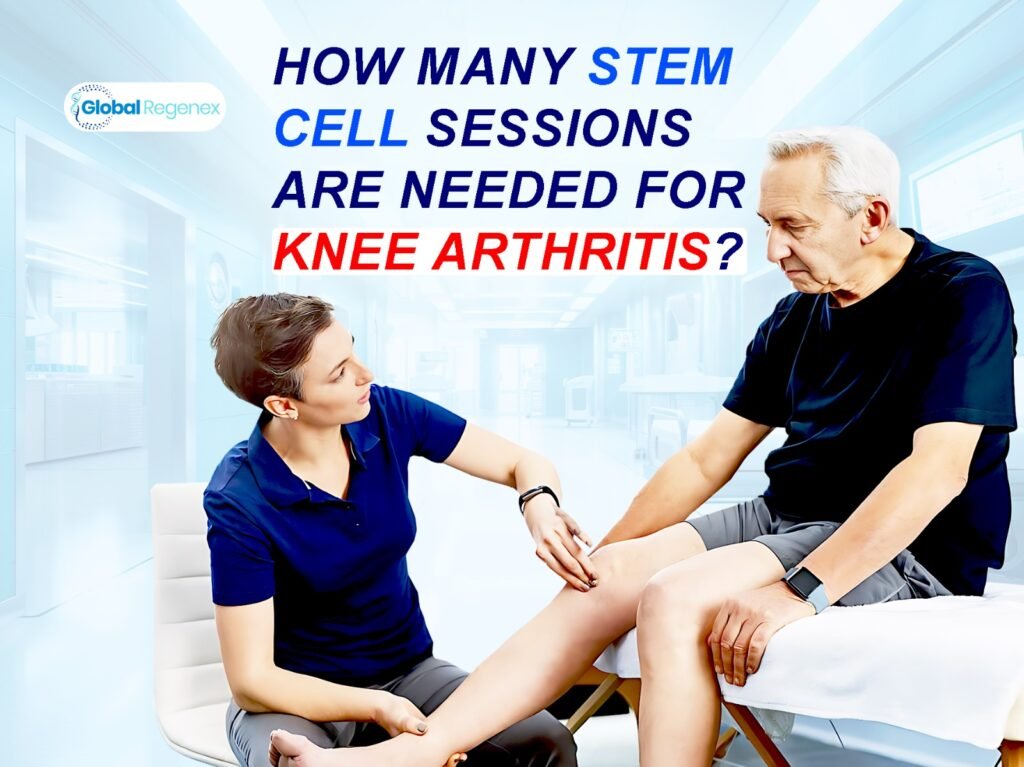
Summary: Understand how stem cell therapy for knee arthritis is being explored, what influences the number of sessions, and why this approach remains investigational rather than routine care. Knee arthritis often progresses gradually. What, in some cases, starts as a small stiffness can slowly turn into continuous discomfort. Most people do not begin treatment by exploring advanced options right away. They begin with attempting to control their knee arthritis using more straightforward means such as medication and exercise, which at times proves adequate. But once the pain persists or when mobility becomes more limited, patients’ considerations change, leading them to explore possibilities that were initially beyond their thoughts, including areas like regenerative medicine. The main question at that stage is no longer about whether something seems appealing but rather how it operates and what it entails, such as the number of sessions required to understand how it is studied. To get the answer to all these questions, keep reading. How Does Stem Cell Therapy Work for Knee Arthritis? To understand how many sessions it may take to provide relief to the patient. The patient must understand how stem cell therapy actually works. In the field of regenerative medicine, the emphasis does not lie on the replacement of damaged tissue. Rather, stem cell technology studies the possibility of impacting the joint environment in such a manner that it helps with the inflammatory response of the body. This is a slow process, and if there is any success. There are no consistent results, which explains why there is also no standard treatment yet. Factors Influencing the Number of Sessions Stem cell therapy for knee arthritis is often discussed as an area of research. And the patient is often curious to know how many sessions they would have to undertake for a good recovery. Currently, there isn’t a standard number of sessions established yet due to it still being researched. However, some factors can influence how this is approached in clinical settings: Stage of arthritis: Early-stage and advanced joint changes may respond differently in research settings. General health and lifestyle: Activity level, weight, and overall health may influence how the body responds. Research Protocol: Various studies have used various protocols hence, sessions could be varied. Body Response Over Time: Some patients can experience changes slowly over time, while others will not. Due to all these factors, it’s difficult to standardize the session number. Consulting with a Specialist: What to Expect Before discussing treatment options, evaluation is the most essential first step, and it is far more comprehensive than anyone might think. It is much more than an examination of the knee. A specialist will take time to understand the full picture: Understanding your condition, how the pain started, and for how long Reviewing any existing scans, X-rays, MRIs, or any other diagnostic information from the past Discussing previous treatment attempts and their effect on your body Evaluating if there is scientific evidence that supports your situation The first discussion is not designed to persuade you into making a decision. Its aim is simply to determine whether this course of action is appropriate for you. Individual Experiences: What They Show and What They Don’t Most patients often come across people sharing their experiences online or through word of mouth. Sometimes, this information can be encouraging for the patient seeking treatment for their condition. At the same time, the result does not seem more reliable. That variation is important. Although some individual cases can give information about how the treatment works and what is possible, but not tell the full story. In research, regenerative medicine has shown encouraging yet inconsistent outcomes across different patients. So while these experiences can be interesting to read, but patient are advised not to make a decision based on them. Adjusting Treatment Plans Based on Patient Progress Currently, there is no standard treatment of regenerative medicine for knee arthritis that every patient may follow. Even being in the investigational phase, this treatment is not standard but is based on the following conditions: symptom progression joint response patient comfort and function These reasons also make the treatment more adaptable rather than pre-planned. That’s why there is no standardized number of sessions for every patient, as no two diagnoses are the same. Need Expert Advice: Global Regenex When thinking about stem cell treatment for knee osteoarthritis, the patient must know what is suitable for their condition. Consulting with the team at Global Regenex can help you understand what is relevant based on your condition and current medical guidelines. The Bottom Line Treatment for knee arthritis is often long-term, and there is no standard treatment procedure. Stem cell therapy may be used in some cases, but it doesn’t consist of a set number of visits and is currently being researched. Knowing this will allow the patient to have realistic expectations. If you have the proper counseling, you will be able to determine which information is suitable for your case and which information needs to be researched further. Frequently Asked Questions Q1. Does Knee Arthritis Require Multiple Stem Cell Sessions? There is no standard number of sessions. Different research protocols may involve single or multiple sessions depending on the study design. Q2. What Influences the Number Of Sessions? Many factors, such as the intensity of arthritis, personal well-being, and the reaction to treatment, play a significant part here. Q3. Does A Higher Number Of Sessions Improve Results? No, this is not necessarily true because the method is still under investigation, and more treatment does not guarantee more successful outcomes. Q4. How Are Sessions Usually Spaced? In the context of research, if there are any sessions at all, these would be timed depending on the protocol used and the response of the patient. Q5. Is It Possible To Predict The Outcome? No, results cannot be predicted. This is one of the reasons why the treatment is considered experimental. Reference Links (1) Lamo-Espinosa, J. M., et al. “Mesenchymal Stem Cell Therapy in Knee Osteoarthritis: A
Can Stem Cells Treat Degenerative Disc Disease Naturally?

Summary: Discover how stem cell therapy for degenerative disc disease is being explored in research, what current treatments involve, and why it remains investigational rather than routine care. You bend over to retrieve your kid’s ball, perhaps a bag, and then there is sensation again. Your lower back pulls a little. You stand up and wait for a moment, hoping it will go away. At first, it starts out feeling nothing serious, but eventually, that begins to happen more often than not. It takes longer to stand up from a chair, or even just to turn your head a little bit. For most people, physiotherapy, drugs, or even surgical intervention can be applied. However, if there is no consistency in pain management, then it becomes obvious for people to consider exploring other advanced alternatives. This is where regenerative medicine and stem cells become relevant. While it sounds like a promising treatment, it’s important to understand what is actually known and what is still being studied. Keep reading to find out. What Is Degenerative Disc Disease? Degenerative disc disease essentially refers to the aging or deterioration of the spinal discs. The discs serve as the cushions between the spinal bones, allowing for easy movement. The following are symptoms that you may experience due to the changes in the discs: Back stiffness Episodic pain Pain while sitting The exact reason for degenerative disc disease is not clearly known since it can be caused by many factors, such as age and lifestyle. Due to the lack of a definite causative factor, treatment becomes more of management than healing. How Stem Cells Work in Treatment Most researchers are interested in how stem cells behave inside the body. As they do not play a specific part. Fortunately, they can easily transform themselves into other kinds of cells and tissues within the body as needed. In terms of degenerative disc disorders, scientists are not focusing on replacing the disc. In this situation, research is being conducted as to whether these cells will help in inflammation or support how the surrounding tissue responds to the treatment. What Research Is Exploring in Stem Cell Therapy for Disc Disease Most information regarding the use of stem cell therapy on degenerative discs is based on preliminary research. It should be noted that in such situations, the significance of obtaining positive results lies in raising interest in further research and the need to study the issue before making any conclusions. These areas can be listed: Effects on Inflammation Processes: Whether the stem cells affect inflammation around the affected disc. Promoting Healing Processes: This includes the investigation of the role of such cells in stimulating the body’s response to tissue damage. Improving Function: Studies investigating possible gradual changes associated with movement or pain. However, till now, results remain inconsistent. In some cases, people undergo changes, whereas others do not observe such changes. Natural Alternatives to Surgery for Disc Issues A surgical procedure for disc pathology is usually not the first option considered, and not even in most cases. Many disc issues can resolve themselves through the right treatment approach and sufficient time. What usually works: Physiotherapy: Specific physical exercises that build muscle mass to provide adequate support for the spine and, therefore, alleviate the pressure on the affected disc Anti-inflammatory Medication: Useful for treating flare-ups but not really recommended as a long-term treatment option Epidural Steroid Injections: Effective in soothing irritated nerves, especially if the pain radiates down into the legs Chiropractic Treatment: Spinal adjustment that suits some individuals, especially when symptoms are still in their early stages Changes to Lifestyle: People undertaking these natural treatments are advised to make some lifestyle changes, such as posture, mobility patterns, and weight, all of which influence the amount of pressure placed on the disc each day One must understand that treatments above will take time and effort, but for most people who have problems with their discs, they’re well worth exploring thoroughly before considering surgery. Need Expert Advice While researching alternative treatments such as stem cell treatment, you will find plenty of data that might seem interesting, yet unclear at the same time. This can make people unsure whether to consider a regenerative approach or not. So, in case you are thinking about choosing this approach, it is important to take some time and learn more about what is really relevant for your health issues. Consulting with Global Regenex will give you expert guidance based on your condition and eligibility. Putting It All Together Degenerative disc disease is hardly ever a clear-cut case – and the route to take is unique to each individual. Traditional therapy can be effective for many patients, but not all that much for others. Regenerative medicine may not be a surefire step to take next for you, but it’s something you should know more about if you have been dealing with this disorder for quite a while now, without making much progress. Frequently Asked Questions Q1. Is Stem Cell Therapy Available for Degenerative Disc Disease? No, it is currently considered investigational and is not part of routine treatment. Q2. Does Stem Cell Therapy Have the Ability to Fully Rebuild a Degenerated Disc? No, because it cannot repair the disc completely based on scientific evidence. Its potential impact on symptoms has been the main concern of studies. Q3. Is It a Natural Substitute for Surgery? No, it is only under investigation, and not yet used as a substitute for surgery or conventional treatment methods. Q4. Are Clinical Trials on Stem Cell Therapy for Degenerative Disc Show Consistent Results? No, because different patients have different experiences after receiving this treatment. Q5. Why Should We Need to Consult Before the Treatment? With a proper consultation with Global Regenex, you will be guided with useful information about this treatment and to check if you’re eligible or not. Reference Links (1) Sakai, D., and Andersson, G. B. J.“Stem Cell Therapy for Intervertebral Disc Regeneration: Current Status and Future Perspectives.”Global Spine Journal, 2019. https://www.ncbi.nlm.nih.gov/pmc/articles/PMC6626674/
Latest Clinical Research on Stem Cell Therapy for DFU
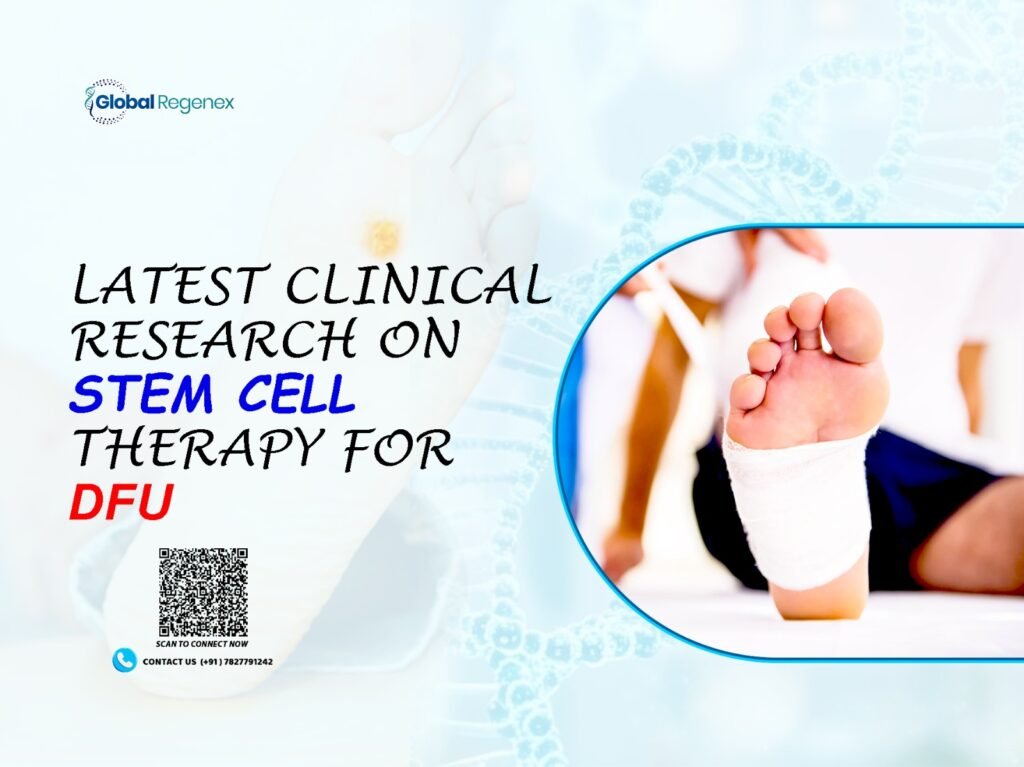
Summary: Discover how stem cell therapy for diabetic foot ulcers (DFU) is being studied in clinical research, what recent findings suggest, and why it remains investigational rather than routine care. Have you been struggling with a severe diabetic foot ulcer? Dealing with diabetic foot ulcers is one of the most challenging conditions. In some cases, it begins as a small wound that gradually starts to heal slowly, especially when the blood flow starts to weaken, and infection starts to spread, making it a long-term issue for many patients around the world. Although standard treatment has been used for years for wound care, infection control, and reducing disease progression. Whereas these treatments are necessary, healing can take time. This is the point at which patients look for the use of regenerative medicine, and stem cell technology has become an area of interest, especially when it comes to seeing how these methods can facilitate wound healing. Understanding Diabetic Foot Ulcers: Causes and Challenges In simple terms, diabetic foot ulcers develop in patients due to a combination of factors connected to prolonged diabetes. Some common factors are: Reduced blood circulation to the lower limbs Nerve damage leading to decreased sensitivity Increased susceptibility to infections Slower wound healing Due to reduced sensitivity, patients often fail to recognize small injuries and wounds until they gradually progress enough to turn into a diabetic foot ulcer. That is why managing DFU usually demands persistence, but even then, recovery takes time. How Stem Cell Therapy Works for DFU As it core, stem cell therapy is the process where stem cells are injected into a patient’s body, to support and boost the body’s healing system through being studied for their potential role in supporting repair processes and influencing how tissues respond to injury To shine a light on DFU, the primary purpose of stem cell research involves investigating their potential to provide a new avenue for wound healing. Instead of serving as a therapy in its own right, stem cells have been examined in terms of their potential to: Affects the inflammatory response at the site of injury Promote angiogenesis Interface with tissue repair mechanisms The goal is to determine if these interactions could create a healing-promoting environment. So far, this is just part of ongoing research that is still under study, not as a practical treatment method. Recent Clinical Studies on Stem Cell Therapy for DFU For many patients considering stem cell therapy for their diabetic foot ulcers, they should understand the condition first and learn how the treatment works. While scientists have done several studies and clinical trials that have explored stem cells for diabetic foot ulcers. These results include: increased ability to close wounds for some patients improvement in blood flow to damaged tissues a gradual decrease in the size of the wound However, these results do not consistently appear in all studies. While some have seen little improvement, others recognize the need for more substantial trials. Understanding these variations is important, as they reflect how therapy is still being evaluated and not confirmed as standard treatment. Potential Benefits of Stem Cells in DFU Treatment Before undertaking any treatment, patient often explore how the particular treatment might benefit their condition. In the context of stem cells in DFU treatment, current regenerative medicine research is being explored as a potential benefit. Here are some areas being explored in research: Enhancement of Blood Circulation: Investigations are being conducted to determine whether stem cells can help in the development of new blood vessels. Aiding in Tissue Repair: The role of stem cells in helping the body heal naturally is also under investigation. Decrease in Inflammation: Certain investigations indicate that stem cells might impact the body’s inflammatory response. Change in Wound Healing: In some studies, the wounds exhibited signs of improvement. These areas might seem promising, but patients should know that these benefits are still in the experimental phase and cannot be guaranteed. Challenges and Limitations of Stem Cell Therapy for DFU Though some findings of the study may make patients feel encouraged, it is important to look at certain limitations too. Differences in Results: After performing different clinical trials, it is recorded that not all patients respond to treatment in the same way. Lack of Long-Term Studies: Due to inconsistent results, more studies and research are required to establish it as a standard treatment. Different Protocols Used: Each study uses its unique protocol. Specific Patient Characteristics: General health status and wound condition have an impact. Due to these factors, stem cell therapy for DFU still remains in the research phase. Need Expert Advice: Global Regenex When exploring new or investigational options, it is important to first understand where they stand in current medical research. This is why a proper consultation with an expert is important to determine if your condition can be treated through stem cells or not. Consulting with the experts at Global Regenex will assist you in reviewing your situation more realistically by evaluating which approaches are already proven, which are still being researched, and whether certain approaches are suitable for you or not. Putting It All Together Managing diabetic foot ulcers can be complex, especially when healing is delayed or complications develop. Even as stem cell treatment of DFU is being researched under the field of regenerative medicine, it remains at a developmental stage and does not form part of regular treatment procedures. The patient must be aware of the pros and cons involved. With the correct information, patients can undertake alternative therapies responsibly. Frequently Asked Questions Q1. Why Does It Take Longer To Heal DFUs? The healing process can be slowed down by reduced blood flow, neuropathy, and an increased risk of infections that make healing less effective over time. Q2. How Are DFUs Different From Other Wounds To Be Treated? Stem cell therapy research focuses on exploring whether stem cells can influence circulation, inflammation, and tissue repair processes. Q3. What Does Stem Cell Therapy Research Focus On? Stem cell therapy research focuses on
Post-Treatment Care After Stem Cell Therapy: Tips for Faster Recovery
Summary: Learn why post-treatment care is important after stem cell therapy, including nutrition, activity management, and monitoring for any side effects to support better recovery for patients. With great progress in medical science, researchers are increasingly exploring regenerative medicine such as stem cell therapy for various types of conditions and disorders. This treatment uses the body’s own healing mechanism to promote healing through repair and regenerate damaged tissue, giving hope for patients with orthopaedic injuries to autoimmune conditions. However, this process is also only a part of the healing process. Recovery after undertaking stem cell therapy plays a crucial part in determining how effectively the body has responded to the treatment. Just like any other traditional or surgical treatment, taking proper post care helps the body adapt to the new changes, heal and support the regenerative effects of stem cells. Patients often ask the expert what they should do after the therapy to help their body recover faster. While every case could be different, following the proper after care can support recovery and lower the risk of complications. What is Stem Cell Therapy and How Does It Work? Stem cell therapy involves the use of special cells that have the ability to change into various types of tissues in the body. In damaged parts, these cells can possibly aid in repair and recovery. For regenerative medicine, stem cells might aid regeneration by: Cell Regeneration: The stem cells have the ability to change into other cells to replace the damaged ones. Release of Growth Factors: Stem cells have the ability to send signals to the body, which are useful in the healing process of the cells. Reduction of Inflammation: Stem cells have the ability to control the immune system to reduce inflammation. Support for Repair of Tissues: Stem cells have the ability to improve the microenvironment of the tissues to enable healing. These unique characteristics of stem cells have prompted researchers to consider them as a possible treatment for diseases or conditions where the body’s ability to heal itself is very low, or virtually nonexistent. Immediate Post-Treatment Care Tips After undertaking stem cell therapy, one must know that the first few days are important for allowing the body to adapt to the treatment. Patients are advised to follow certain precautions: Rest the Treated Area: Do not give excessive strain on the treated area during the first few days. Stay Hydrated: Patients should drink enough water to help their body maintain proper circulation and cellular function. Follow Medical Instructions Carefully: Always follow the doctors given instructions, follow-up visits and activity restrictions. Avoid Alcohol and Smoking: They can mess up your tissue healing and regeneration processes. Go to Follow Ups: Checking in regularly allows your doctor to keep up with your progress and notice any problems quickly. Following these steps can support the body’s natural recovery process. Diet and Nutrition for Optimal Recovery After every treatment following a proper diet helps a long way. Giving your body with enough nutrition is important for better healing and tissue repair after regenerative treatment. Primary nutritional factors are: High Protein Foods: This is because the body needs proteins for repair and the formation of new cells. Fruits and Vegetables: These contain antioxidants that can shield the body from disease. Healthy Fats: These include omega 3 fatty acids, for instance, found in fish and nuts, which can support anti-inflammatory responses. Proper Hydration: This is very vital for the flow of the blood and the transfer of nutrients. Apart from that, the patient should strive to avoid processed foods as well as excessive intake of sugars during the course of the healing process. Physical Activity: What to Do and What to Avoid Physical movement is important for recovery, but it should be approached gradually. Light stretching after medical approval Gentle walking to improve circulation Controlled physical therapy if recommended by doctors Activities to Avoid Initially Heavy lifting High impact exercises Intense sports or strenuous movements Overdoing it too early can actually delay recovery. A slow transition to normal activity under the guidance of a physician is usually the best approach. Managing Side Effects and Complications Although many patients have not experienced any side-effects after undergoing stem cell therapy in India, some mild side-effects are possible. Here are some of the examples: Mild swelling at the treatment site Temporary soreness or discomfort A few days of fatigue Generally, these symptoms are temporary and the body slowly gets accustomed to the treatment. On the other hand, patients should consult their doctor if they experience: Constant pain and swelling Fever and symptoms of infection Dramatic deterioration of symptoms The Concluding Thoughts After the treatment care plays a very important role in making the stem cell therapy effective. Apart from the body being able to recover over time, other factors that lead to the successful outcome of the healing process are a well balanced diet, mild physical exercises and regular check ups. If you are thinking about getting regenerative treatments, you may want to consult Global Regenex that can offer expert advice and therapy consultations on stem cells and regenerative medicine. Frequently Asked Questions Q1. How long does the recovery process take after stem cell therapy? Ans. The recovery process after stem cell therapy depends on the condition being treated. However, the patient will be able to recover over time with the appropriate care. Q2. Can I exercise after stem cell therapy? Ans. You are allowed to exercise after the stem cell therapy. However, you are supposed to avoid heavy exercises during the recovery process. Q3. What food can I eat for the recovery process after stem cell therapy? Ans. You are supposed to eat a lot of protein, fruits, vegetables, and healthy fats. Q4. Are there any side effects of stem cell therapy? Ans. Yes, there are side effects. However, the pain will subside in a matter of days. Q5. Why is post-treatment care important in regenerative medicine? Ans. The importance of post-treatment care is that it is essential for
Personalized Stem Cell Therapy: Tailored Treatments in 2026
Summary: Uncover the ways in which personalized stem cell therapy in 2026 adapts regenerative therapies to the biological needs of individual patients, exploring its scientific basis, beneficial aspects, and limitations. For patients dealing with severe, degenerative, or inflammatory conditions, it is common to move beyond symptom-based medications in search of more advanced therapeutic approaches. Fortunately, regenerative medicine has gradually progressed from being an experimental therapy to a more organized clinical practice. One of the major advancements in the area of regenerative medicine is the shift from standardized treatment approaches to patient-specific treatment approaches. In 2026, personalization is increasingly viewed as a way to improve treatment relevance while preserving ethical and regulatory standards. Yet, it is necessary to comprehend what personalization really refers to in stem cell therapy, and what it does not. What Is Personalized Stem Cell Therapy? Personalized stem cell therapy refers to regenerative treatment approaches that are adapted based on a patient’s medical condition, biological profile, disease stage, and overall health status. Instead of applying identical cell types, dosages, or delivery methods to all patients, clinicians design protocols that reflect individual variability. Most personalized stem cell interventions are considered supportive or investigational in nature. They are not universal cures and should be clearly distinguished from established treatments such as hematopoietic stem cell transplantation used for specific blood disorders. Personalization aims to enhance clinical relevance, not to bypass scientific or regulatory requirements. Scientific Foundations of Tailored Stem Cell Treatments Patient Evaluation and Diagnostic Profiling A personalized patient treatment begins with a comprehensive assessment. Clinical history, imaging studies, laboratory tests, and functional evaluations help determine whether a patient may be eligible for a regenerative approach. These evaluations guide decisions on treatment feasibility, safety considerations, and expected outcomes. Stem Cell Source and Selection One of the most important aspects of personalization is stem cell source identification. This can relate to autologous cells or allogeneic cells that are obtained from screened donors. Cell quality, viability, and compatibility are important factors that determine treatment structure. Customized Dosage and Delivery Methods Dosages, intensity, and modes of administration cannot be standardized. Variables influencing treatment design include disease severity, affected tissues, and the individual’s overall health. Tailoring aims to minimize overexposure while matching intensity to the needs of the patients. Potential Benefits of Personalized Therapy Customized interventions may have several theoretical advantages over standardized protocols: Improved alignment with the individual condition of each patient Targeted treatment planning may improve safety. Reduced the likelihood of unnecessary interventions. Smoother integration with rehabilitation, physiotherapy, and supportive care. Individual results will naturally vary, and personalization does not ensure better results in all cases. Potential Challenges & Limitations of Personalized Therapy Despite the promise, personalized stem cell therapy also faces challenges: Individual differences in response to treatment Limited long-term clinical experience in many therapies High dependence upon specialized infrastructure and expertise Regulatory constraints on individualized protocols Personalization adds complexity that must be addressed through clinical governance. Regulatory and Ethical Considerations Global Regulatory Landscape Currently, most individualized stem cell therapies are considered experimental or are offered under regulated research frameworks worldwide. The regulatory authorities concentrate on patient safety, bioethics, and scientific validation. Differences in national regulations can create confusion for patients researching treatment options. Ethical Oversight and Compliance Personalized regenerative medicine must adhere to ethical standards. These include the concept of informed consent, honest disclosure of possible outcomes, clearance, and processing in GMP-compliant laboratories. Guaranteed-outcome providers and those offering ‘universal’ protocols are not following traditional norms. Need For Consultation: Global Regenex Some patients explore personalized stem cell therapies offered overseas. Nonetheless, patient care and treatment strategies need consideration of compliance and the lab aspects rather than the location. Global Regenex helps patients through: Assessing treatment appropriateness and scientific merit The verification of GMP standards and clinical settings Establishing proper expectations and maintaining an element of continuity Getting professional advice is one way to manage risks associated with health and finances. To Bring It All Together Personalized stem cell therapy is a significant area that has developed in the field of regenerative medicine as we progress into 2026. Though personalized treatment can enhance relevance as well as address safety issues, efforts need to continue to be focused on evidence-based methodology. For the patient, the key lies in getting the right information from regenerative experts such as Global Regenex and setting realistic and transparent expectations. The future of regenerative medicine will be guided by positive personalization, not unfettered innovation. Frequently Asked Questions Q1. What is personalized stem cell therapy? Ans. Tailor-made stem cell therapy adjusts regenerative medicines based on the patient’s status, biological makeup, and clinical data rather than set protocols. Q2. Is personalized stem cell therapy approved in global markets? Ans. No. Most personalized stem cell treatments are considered investigational and fall under different regulatory guidelines in each country. Q3. Why is GMP important to stem cell therapy? Ans. GMP ensures stem cells are processed, stored, and handled in a manner that ensures cleanliness and safety, minimizing any chances of contamination and errors. Q4. How can patients verify clinic credibility? Ans. Patients can look for GMP-certified labs, NABL accreditation, NABH accreditation for hospitals, documented transparency, or unbiased supervision. Q5. Why is expert consultation required prior to stem cell therapy? Ans. Expert consultation can help in understanding the chances of eligibility, legal requirements of compliance, likely results, and protect patients from deception related to unverified reports of treatment. Reference Links Squillaro T., Peluso G., Galderisi U. – Clinical Trials with Mesenchymal Stem Cells: An Update https://pmc.ncbi.nlm.nih.gov/articles/PMC3636724/ Galipeau J., Sensébé L. – Mesenchymal Stromal Cells: Clinical Challenges and Therapeutic Opportunities https://www.sciencedirect.com/science/article/pii/S1525001625000930 Trounson A., McDonald C. – Stem Cell Therapies in Clinical Trials: Progress and Challenges https://www.nature.com/articles/nrm.2015.10 Turner L. – Stem Cell Tourism and the Marketing of Regenerative Medicine https://pmc.ncbi.nlm.nih.gov/articles/PMC2699675/ Watch Video: Personalized Stem Cell Therapy
How to Choose an International Stem Cell Clinic Safely?
Summary: Find out how to select an International Stem Cell Clinic in a safe way by examining regulatory compliance, GMP standards, NABL and NABH accreditations, ethical transparency and regulatory compliance, scientific accuracy, and expert consultation. Patients dealing with chronic conditions such as neurodegenerative disorders or osteoarthritis often become dissatisfied with symptom-based treatments. This leads many to explore advanced and supportive therapies abroad that not only focus on symptoms but target the root cause. Fortunately, stem cell therapy has emerged as a supportive option for managing chronic and degenerative conditions, which lead patients to travel abroad seeking access, affordability, or emerging treatments that may not be available locally. However, regenerative medicines like stem cell therapy are biologically complex and frequently regulated as investigational or supportive treatments rather than routine clinical care. Trusting the wrong provider can expose the patient to medical, ethical, and financial risk. For this reason, patients must prioritize safety, transparency, and scientific credibility over marketing promises or geographic convenience. This blog outlines how patients can evaluate international stem cell clinics responsibly and make informed decisions. Why Understanding Stem Cell Therapy Matters When Choosing a Clinic Regenerative medicine, such as stem cell therapy, is a supportive treatment that utilizes stem cells to treat or manage various degenerative or severe conditions. Stem cells are tiny but unique cells that have the ability to differentiate into different types of cells in the body, such as muscle, nerve, etc, according to the needs. The main aim is to repair and restore damaged tissues and cells, and reduce inflammation by promoting the body’s natural healing mechanism. Potential Benefits of Stem Cell-Based Treatment The main goal of stem cell-based treatments is to leverage the regenerative properties of stem cells to treat or manage various types of conditions or disorders. Especially, stem cell therapy works for: Stimulate Tissue Regeneration: Stem cells can develop into various cells. For example, they can be converted into muscle and bone cells and nerve cells. Modulate the Immune System: Stem cells have immunomodulatory capabilities, which are useful in treating immune system disorders by controlling abnormal immune responses in the process. Reduction of Inflammation: It has also been suggested that stem cells may secrete anti-inflammatory cytokines that help in decreasing inflammation and reducing the incapacitating symptoms of inflammatory conditions. Quality of Life: With stem cell therapy aiming to address the underlying mechanisms of degenerative conditions by tackling their root causes, it is expected to improve the quality of life for individuals who would have otherwise continued to suffer from their current afflictions. These benefits clearly reflect the potential for stem cell therapy to present a new horizon for the treatment of conditions for which there is a scarcity of current treatments, hence enhancing medical science. Importance of Regulatory Oversight in Stem Cell Therapy Stem cell therapies vary in their regulation from country to country. Some stem cell therapies, such as hematopoietic stem cell transplantation to treat blood-related disorders, are established, whereas others are still investigational in their application in tissue regeneration. Patients should know: Whether the treatment is approved, supportive, or experimental. If the therapy is being provided under a regulated clinical or research model Whether the national health authorities and ethics committees oversee the treatment Those who offer guaranteed cures, permanent results, or universal protocols frequently function outside the realm of acceptable standards of practice. Regulatory clarity is the foundation of patient safety. Laboratory Standards and Cell Processing Quality Stem cells are biological products, and their manipulation requires stringent laboratory conditions. For reputable international clinics, labs with GMP standards in cell processing are paramount. Sourcing, sterility testing, traceability, and proper documentation are some factors essential to providing care for patients. Most clinics that cannot account for the processing, storage, or quality of the cells lack all of the infrastructure necessary for responsible patient care. Assess Ethical Standards and Patient Protection Ethical governance represents an indispensable feature of responsible therapy with stem cells. It is essential for a patient to confirm: Informed consent procedures that clearly explain risk and investigational status Oversight by an institutional ethics committee transparent documentation, protection of the patient’s data Ethical clinics are those that inform and empower the patients rather than pressurizing them out of urgency. Importance of Post-Treatment Care and Follow-Up Stem cell therapy is not just the procedure itself. After the therapy, follow-up care is necessary to observe the results and possible adverse effects. Responsible clinics offer: Structured post-treatment follow-up plans Coordination with the patient’s local healthcare provider Clear advice on recovery, monitoring, and warning signs There is no provision for follow-up in the most dangerous international treatments. Need Expert Consultation If you are considering stem cell therapy in India. Expert consultation in stem cell decisions ensures safety and is informed by verification of clinic credibility, GMP compliance, and ethical standards. Global Regenex guides patients with evidence-based evaluation, regulatory insight, and realistic treatment expectations. Final Wording Choosing an international stem cell clinic requires more than optimism or location-based decisions. Regulatory compliance, accredited infrastructure, ethical transparency, and scientific credibility are the foundation of a safe and healthy stem cell therapy process. Patients who seek stem cell treatment with informed caution and professional guidance are better positioned to protect their health while exploring regenerative medicine responsibly with expert guidance. Frequently Asked Questions(FAQs) Q1. Why is consultation important before stem cell treatment abroad? Ans. Consultation with a panel of experts, such as Global Regenex, helps authenticate the credibility of the clinics in medical aspects with less possibility of legal risks. Q2. Are all international stem cell clinics regulated? Ans. No. Different regulations apply to different countries. India is often considered due to structured guidelines and regulatory oversight when stem cell treatments are pursued through appropriate and approved channels Q3. What certifications should patients look for in stem cell clinics? Ans. Patients should look for GMP-compliant laboratories, NABL-accredited testing facilities, and NABH-accredited hospitals. Q4. Can expert consultation prevent misleading stem cell claims? Ans. Yes. Also, it helps to detect exaggerated advertising, the absence of evidence, and non-compliant
Why Some Patients See Faster Results After Stem Cell Therapy?
Summary: Nowadays, stem cell therapy has changed the way we treat severe pain, injuries, and degenerative conditions. But while some patients who underwent the treatment may notice results within a few weeks, others take months to experience improvement. The difference is normal, and often influenced by factors like health, condition type, and care quality. Did it ever occur to you mind why some patients can rebound quickly with stem cell therapy, while others require more time? The fact is in the body’s natural healing process. Stem cell therapy isn’t a quick fix, it’s a biological repair system that goes down to the core of your tissues. It operates slowly but surely, and health gets restored from the inside out. Some patients experience full mobility and reduced pain in weeks, while others see improvement over many months. The key to a faster, durable recovery is understanding these differences and setting proper expectations. We’ll explore the real reasons behind these varying results after stem cell treatment in India. How Stem Cell Therapy Works? Stem cell therapy uses the body’s own cells and regenerative power to heal damaged tissues. When stem cells are injected into the affected area, they transform into specialized cells and release growth factors that enhance natural healing. The process takes time, but the body needs to: Accept and integrate new cells. Stimulate tissue regeneration. Restore normal function slowly. However, the healing depends on how your body responds to treatment, your overall health, and the type of cells used. Factors That Influence Recovery Speed in Patients Here are some factors that may influence the result of stem cell therapy: Condition Type and Severity The recovery of a mild case, such as an early-stage arthritis or a minor tendon or cartilage injury, is usually speedy as it entails less structural repair, thus the regenerative processes can be initiated rapidly. However, chronic or complicated disorders (e.g., Parkinson’s or spinal cord injuries) are slow to heal, hence they require more sessions and a longer duration. Patient’s Age and Overall Health Younger, healthier patients tend to react faster due to more active cells and a strong immune system. Older patients, or those with problems such as diabetes, will see the benefits more slowly since their body regeneration is not as rapid. Type of Stem Cells Used The source and quality of stem cells also matter. Autologous stem cells come from a patient’s bone marrow or fat and are often the most quickly accepted by the body. Allogeneic stem cells from donors, such as umbilical cord tissue-are similarly effective but may take a little time to integrate, depending on the type of therapy. Quality of Treatment and Expertise The quality of recovery depends on the expertise of the clinic, facilities, and laboratory standards. Advanced facilities coupled with accredited labs mean purer, more viable stem cells, translating to faster and more consistent recovery. Post-Treatment Care and Lifestyle Following the cure, a fast, durable recovery requires dedication. You must follow medical directions, eat nutritious food, and avoid smoking or alcohol. Recovery is often accelerated by combining stem cell therapy with physiotherapy, yoga, or gentle exercises. Common Timeframes for Improvement The regeneration process of the body occurs at different rates according to the condition: Early Responders (2–4 weeks): Typically, these are orthopedic or sports injuries. Patients usually observe a decrease in pain and swelling very quickly. Gradual Responders (2–3 months): Patients with degenerative joint diseases or mild neurological conditions start regaining functions and mobility progressively. Long-Term Responders (6–12 months): Those with autoimmune and chronic nerve disorders may take longer but often see steady, meaningful improvement over time. Remember: Slower results don’t mean the therapy is not working. Healing continues beneath the surface as stem cells restore balance and integrity to tissues naturally. Why Professional Help Matters? If you talk about regenerative medicine, it is the most crucial factor to have the right direction. Global Regenex is a reliable consultancy that facilitates patients ‘ access to the best stem cell centers in India. They are the specialists in: Medical Judgments: Understanding your health and suggesting the most suitable treatment. Clinics with the Certification: Only those centers that have been ethically approved and GMP-compliant are the ones that patients are connected with. Individual Healthcare Programs: Modifying treatments according to each patient’s situation and health objectives. Complete Support: Along with travel assistance, therapy follow-up, and lifestyle guidance. With the help of Global Regenex, you get more than healing, but you get continuous support, empathy, and professional guidance, which leads to speedy recovery. The Bottom Line The power of the personalized healing journey is immense with stem cell therapy. Recovery speed may be influenced by age and condition, but every step taken guarantees regeneration and relief. Connect with Global Regenex for expert, compassionate care. Frequently Asked Questions (FAQs) Q1. How long does it take to see results from stem cell treatment? Ans. Results vary, as some patients experience results in a few weeks, though it can take a couple of months as the body regenerates tissue gradually. Q2. How does stem cell therapy work for Parkinson’s disease? Ans. It repairs or replaces damaged nerve cells that control movement, thereby decreasing tremors and stiffness over time. Q3: Do stem cells work right away? Ans. No, it takes time for stem cells to integrate and repair tissues. Most patients will witness gradual improvement over weeks or months. Q4. How does Global Regenex help patients achieve better results? Ans. Global Regenex connects you with top clinics, provides expert consultation, and ensures personalized care for faster, safer recovery. Reference Links Caplan AI, Correa D. The MSC: An injury drugstore. Explains gradual paracrine signaling, tissue repair, and delayed clinical response https://pubmed.ncbi.nlm.nih.gov/27774387/ MDPI – Cells Impact of aging and metabolic disease on stem cell function. https://www.mdpi.com/2073-4409/9/2/421 Frontiers in Bioengineering & Biotechnology Disease severity determines regenerative response speed. https://www.frontiersin.org/articles/10.3389/fbioe.2020.00864/full Clinical differences between autologous and donor-derived MSC therapy. https://stemcellres.biomedcentral.com/articles/10.1186/s13287-020-01719-8 Centeno CJ et al. Rehabilitation and lifestyle influence outcomes after stem cell therapy. https://pubmed.ncbi.nlm.nih.gov/25770868/
Why India is Emerging as a Global Leader in Affordable Stem Cell Therapy?
Summary: India has rapidly emerged as one of the most trusted destinations in the world for affordable advanced stem cell therapy. With strong medical expertise, modern facilities, ethical practices, and patient-centric care, the country offers high-quality regenerative treatments at a fraction of global costs. People all over the world are looking for safe, effective, and reasonably priced healthcare. Stem cell therapy, once considered extremely expensive and accessible to only a few, is now within reach for more patients with India’s growing leadership in regenerative medicine. But what really sets India apart? What makes patients from the US, Europe, and other nations head to India for stem cell treatments? The answer lies in a combination of factors that provide medical excellence, affordability, and compassionate care that is found nowhere else but in India. Overview of Stem Cell Therapy Stem cell therapy is the treatment that facilitates the natural healing process of the body by the injection of special cells that are able to repair the damaged areas and bring the inflammation down. Generally, it’s a mild approach to dealing with the problem that can relieve pain, expedite the healing process, and enhance the quality of everyday life when other treatments have been ineffective. What Makes India a Global Leader in Stem Cell Therapy? Here are some of the top reasons why India is a preferred destination for patients looking for stem cell therapy: Advanced Medical Infrastructure The top hospitals and regenerative medicine centers in India are fully equipped with the latest labs, GMP-certified stem cell processing units, and world-class technology to handle patients. These follow international medical standards in offering highly specialized treatment programs. Highly Qualified Specialists Indian doctors in this field of medicine are globally trained and renowned. Many doctors have worked in top research institutions worldwide, bringing global knowledge and advanced techniques into the care of patients. Affordable Treatment Without Compromising Quality Cost is arguably one of the strongest reasons behind India’s global appeal. Stem cell procedures in India can offer 60–80% savings compared to other Western nations, with equally good results. This makes advanced therapy accessible for international and Indian patients alike. Ethical and Regulated Treatment Practices The medical guidelines for stem cell therapy focus on the safety of patients, ethical use of the cells, and transparency regarding the therapy in India. Regenerative centers have to follow approved protocols that ensure treatments are safe, monitored, and science-backed. Specialized International Patient Support From medical visas to airport pickup, accommodation support, translators to personalized care teams, India provides seamless journeys of treatment for global travelers. Hospitality at such a level surely makes them feel safe and taken care of during their stay. Key Benefits of Choosing India for Stem Cell Therapy Here are some benefits of choosing stem cell treatment in India: Strong Clinical Outcomes Success rates for the treatment of orthopaedic, neurological, autoimmune, and chronic diseases continue to improve because of advanced labs and skillful medical teams. Comprehensive Treatment Options India offers stem cell treatments for: Arthritis and joint pain Neurological disorders Autoimmune diseases Anti-aging therapies Injury rehabilitation Chronic degenerative conditions Lower Overall Treatment Burden With more affordable procedures, lower hospital costs, and reduced medication expenses, patients can afford to avail themselves of complete care. Medical Culture for Wholeness and Compassion Indian healthcare blends modern science with a human touch, making recovery not only medical but also emotional and supportive. How are Research and Innovation Strengthening India? India is still heavily investing in stem cell research, clinical trials, cell banking, and regenerative medicine training. The treatment safety and long-term outcomes are being improved with better cell-processing technologies, state-of-the-art imaging systems, and AI-supported monitoring. Through ongoing innovation, India as a whole is paving the way to become one of the leading sources of regenerative science in the future. Expert Support With Global Regenex The majority of patients feel overwhelmed while considering stem cell therapy. That’s where Global Regenex brings clarity and dependable guidance. Their team helps patients understand the options for treatment, coordinates with top-ranked medical centers, and ensures every step of the therapeutic journey is smooth, ethical, and well-planned. From medical assessment to post-treatment care, they ensure a soothing, comfortable, and individualistic experience. Final Thoughts India’s emergence as a global leader offering affordable stem cell treatment reflects its strong combination of innovation, medical expertise, and compassion. Patients from far and wide now trust India not only for cost-effective care but for standards of world-class treatment and supportive healing environments. For safe, reliable, and expert guidance on regenerative treatments, consult Stem Cell Care India, and start your journey toward healing with confidence. Frequently Asked Questions (FAQs) Q1. How successful is stem cell therapy in India? Ans. Most of the patients experience reduced pain, good mobility, and better recovery, which may vary from the condition and the patient’s general health. Q2. What is India’s contribution to stem cell research? Ans. India leads in clinical trials, advanced labs, and innovative cell-processing techniques, but hence treatment is safer and more accessible. Q3. What is the cost of stem cell therapy in India? Ans. It is much cheaper than in many countries, sometimes 60–80% less, yet it has high medical standards. Q4. Is Stem Cell Therapy Safe in India? Ans. Yes, if carried out in accredited centers following regulated, ethical, and standardized cell-processing protocols. Reference Links Turner L. Medical tourism and stem cell interventions: Emerging global trends. https://pubmed.ncbi.nlm.nih.gov/23302787/ Bianco P et al. Regulation, ethics, and safety of mesenchymal stem cell therapies. https://stemcellres.biomedcentral.com/articles/10.1186/s13287-016-0343-5 Frontiers in Medicine Clinical safety profile of mesenchymal stem cell therapies. https://www.frontiersin.org/articles/10.3389/fmed.2021.750378/full MDPI – Cells Journal Advances in stem cell research and translational medicine in Asia. https://www.mdpi.com/2073-4409/9/1/34 Frontiers in Neurology Stem cell therapy in neurological disorders: clinical outcomes. https://www.frontiersin.org/articles/10.3389/fneur.2020.00219/full Wang Y et al. Long-term safety of MSC therapy in clinical practice. https://stemcellres.biomedcentral.com/articles/10.1186/s13287-020-01633-x