
Latest Advances in Regenerative Medicine for Chronic Back Pain
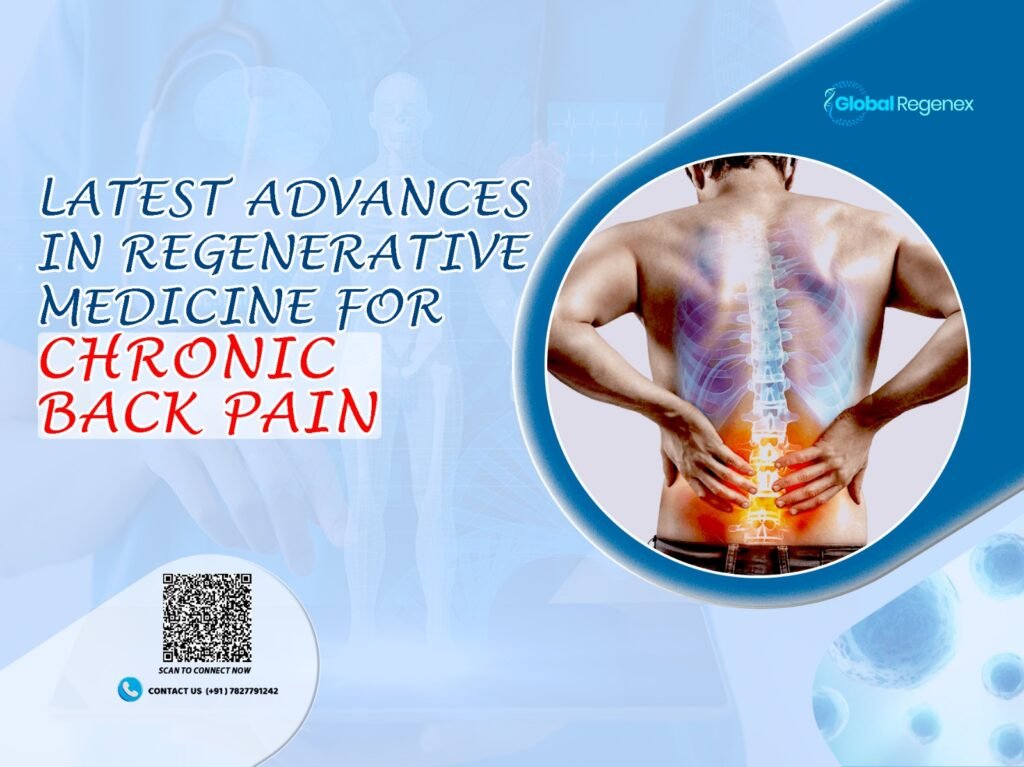
Summary: Learn why regenerative medicine is being explored in research for chronic back pain, how far research has come, what the latest advancements are, and how one can be eligible for the treatment. Chronic back pain doesn’t have one clear reason. Many people can suffer from chronic back pain for different reasons—whether it is due to injury, posture-related strain, degenerative changes, or more. Over time, it can start to influence your daily movement and work life and even makes hard to sleep. For many years, the standard treatment method has revolved around pain management and functional improvement by means of physiotherapy, medicines, and even surgeries when necessary. Although all these methods prove effective for many patients, some still investigate new directions such as the regenerative medicine treatment. As a result, an increasing number of people became interested in exploring how the body’s natural repair mechanisms are studied in research. However, it is also necessary to differentiate between already investigated options and the remaining under research. Understanding Regenerative Medicine and Its Applications For patients considering regenerative medicine for back pain, it becomes important to understand how the treatment works before undergoing the procedure. As the idea of regenerative medicine is strongly based on—whether the body can be helped to repair itself rather than just managing the symptoms. Regarding chronic back pain, this involves investigating the ways that biology affects the reaction to tissue in the back. Rather than addressing the symptom of pain management, the focus is placed on exploring the way the underlying structures, like discs, ligaments, and surrounding tissues, respond over time. This is one of several techniques under investigation, each at different levels of development, none of which has been established as accepted practice. The Role of Stem Cells in Back Pain Treatment The reason why researchers are increasingly studying stem cells for back pain comes from how they may interact with inflammation and tissue response. Instead of concentrating on repairing the damaged parts of the spine, present-day stem cell therapy is more concerned with figuring out whether stem cells have an impact on the environment surrounding injured tissue. These aspects include their involvement in: sending biological signals that may influence healing processes participating in inflammation influencing the reaction of tissues in the long term Currently, results have been inconsistent. Some studies have shown promise for certain applications, whereas others have found little efficacy. Inconsistency is one of the factors contributing to the continued research in this field. PRP Therapy in Chronic Back Pain: What Research Is Exploring Another part of regenerative medicine is platelet-rich plasma (PRP) therapy, being explored by researchers and practiced in strict clinical settings. PRP therapy includes the use of substances extracted from the patient’s blood that contain growth factors. They are currently being investigated to establish their ability to help heal various musculoskeletal disorders, such as back pain. Some areas where PRP is currently under investigation include: injuries to soft tissues problems related to ligaments beginning degeneration Although some patients claim to have seen some positive results, the effects are not the same for everyone. Tissue Engineering and Its Impact on Spinal Treatment As research continues to grow. The focus has shifted beyond just cells to also include their surrounding environment Tissue engineering deals with how supporting structures, known as scaffolds, can be combined with biological strategies. These supporting structures serve to aid the functioning of the cells and hold them in place. In the context of spinal studies, the following may be investigated: aiding injured disc structures promoting tissue stability increasing biological interactions in the spine As noted above, it is an emerging concept that focuses on biological engineering. The Future of Gene Therapy in Regenerative Medicine Another area in regenerative medicine that is actively being researched is gene therapy. This therapy involves examining whether a patient’s specific gene can help influence how tissue responds to damage or degeneration. To shine a light on back pain research, the focus is on understanding if these changes can affect inflammation or tissue repair at a deeper level. Although it remains in its infancy, this marks a departure towards a more focused approach. Most developments in this area are still in the research stage. Need Expert Advice: Global Regenex When considering regenerative medicine treatments for chronic back pain, it is very common to receive misleading information because such treatment techniques have been developed recently and require further investigation. In order to understand all the types of their application to your individual case, it is necessary to consider this issue carefully. Consulting with the team at Global Regenex can help you understand what is relevant based on your condition and current research. This will allow you to be confident in your decision-making process. The Concluding Thoughts Chronic back pain often needs a steady, long-term approach to manage rather than one quick solution. While traditional treatment helped manage the symptoms for years—regenerative medicine is now being explored as a developing area of research, but still remains an evolving area rather than evidence-based care. Being aware of the possibilities as well as the limitations will help in making wise decisions. With proper guidance, individuals can proceed to evaluate promising innovations alongside effective treatments. Frequently Asked Questions Q1. Why Does Chronic Back Pain Not Improve Easily In Some Cases? It is because chronic back pain is often caused by various issues, like disc degeneration, muscle problems, and inflammation. Due to this, the recovery becomes slow and may require a combination of therapies. Q2. Why Is Regenerative Medicine Different from Conventional Therapies? Regenerative medicine concentrates on the way the body reacts to the process from a biological perspective, but it is still being investigated and not applied regularly. Q3. Is PRP Therapy Commonly Used For Chronic Back Pain? PRP injections are currently being researched for several musculoskeletal conditions, among which is back pain. However, the effectiveness of this method varies significantly. Q4. Can These Approaches Help Avoid Surgery Completely? Not yet. Standard treatments, including medication, physiotherapy, and in some
Is Stem Cell Therapy Safe? Risks & Benefits Explained
Summary: Understand how stem cell therapy is being studied, what potential benefits and risks are known, and why it remains investigational rather than part of routine treatment. In most cases, when people first hear about stem cell therapy, the first thing that comes to their mind is that—whether this treatment is safe for clinical use. Just as with every new treatment, stem cell therapy is also present as an area of ongoing research in medical science, but the reality is more significant than people often see. Currently, there are several research studies being conducted in regenerative medicine and some other related areas, which have led to encouraging results in some cases. However, at the same time, not every outcome has been clearly established yet. This can unintentionally create expectations, even when evidence is still growing. As a result, this makes it important for people to understand both potential benefits and risks before considering undergoing stem cell therapy in India. Overview of Stem Cell Therapy Stem cells are regarded as unique cells because they are capable of developing into other cells of the body. Since these cells do not serve a specific function, they are being studied for their potential role in repairing and regenerating damaged cells or tissues. In simple terms, stem cell research is not based on instant healing. The goal is to investigate whether or not these cells can affect inflammation or tissue reaction. There are many different types of cells that can be considered when dealing with certain issues. Nonetheless, there is no one-size-fits-all method for every disease. Current Legal Regulations and Guidelines For the patient, before undertaking any new or investigational treatment, one of the most important things to understand is where this therapy stands legally and how much it has evolved to become legally safe. Stem cell therapy, except for the use of hematopoietic stem cell transplant, is not approved as a treatment method in India. It is regarded as experimental and can be performed only through clinical trials. This implies that: It should not be used as a regular treatment It must comply with stringent research procedures Ethical considerations are strictly observed Knowledge about the treatment prevents any misconceptions or misunderstandings. Common Myths About Stem Cell Therapy As the research in regenerative medicine, particularly in stem cell therapy, has progressed, it has gained attention as an area of research. However, before considering stem cell therapy, it’s important for patients to differentiate between what is information based on evidence and just a myth. There’s a lot of information circulating, and not all of it is accurate. Myth: Stem cell therapy as a Cure It is very unlikely for a reputable specialist to claim stem cell therapy as a cure. It may help in some cases and under some conditions, but a cure is too much–and setting such expectations means setting yourself up for disappointment. Myth: It can only be used in extremely serious cases This myth scares many patients from asking even one question. The areas researched by specialists range from joint degeneration to neurological disorders and immune system dysfunction–most of which are not necessarily threatening a patient’s life but are still in the investigational phase. Myth: Quick results will be visible When it comes to improvement, patient tend to improve from their condition gradually—over weeks and months rather than in days. A patient who expects results quicker often thinks the treatment does not work while the process is still underway. Myth: The whole industry is unregulated There have been concerns about unregulated practices in some settings, but there are research labs that overpromise and under-deliver. However, reputable institutes function within specific ethical and regulatory guidelines. This is an appeal for selecting wisely, not an excuse to shy away from the discussion entirely. Understanding these myths is important for making informed decisions. Future Prospects and Innovations in Stem Cell Therapy Research in the field of regeneration is gradually advancing, and monitoring the ongoing progress is essential to make informed decisions in the future. Researchers are focusing on: understanding inconsistencies in results identifying which patients may benefit more refining how cells are delivered combining therapies for better results While there is potential in the area, it is being handled cautiously. Future developments will be based on research and results. For Expert Consultation If you are thinking about stem cell treatment or want to know if it is an option for your condition, it would be best to stop, take a breath, and consult with an expert before proceeding. There are so many things out there that might not be relevant at all to your situation or even factual. Consulting with experts at Global Regenex can help you understand what is relevant based on current research and your individual condition To Bring It All Together Stem cell therapy is one of the most actively researched fields within the science of regenerative medicine. Although there have been positive results from the therapy, it is currently not part of the standard due to a lack of enough evidence. In addition to being aware of the advantages and disadvantages of stem cell therapy, your decisions can only get better when you consider both aspects, and staying guided by evidence and proper medical advice is the most practical way forward. Frequently Asked Questions Q1. Is Stem Cell Therapy Safe? It is dependent upon its application and implementation, as many applications have not been explored thoroughly yet. It should be considered in clinical environments only. Q2. What Are The Potential Risks of Stem Cell Therapy? Possible risks may include infections, variations in results obtained from therapy, and lack of information on their side effects in the long term. Q3. Are There Any Proven Benefits Yet? Some studies have explored potential outcomes, but results remain inconsistent regarding stem cell therapy. However, they can be considered beneficial only after further investigation. Q4. Why Is It Still Described As Investigational? As more evidence becomes available. Scientists continue to study its efficacy and safety, and
Is Stem Cell Therapy Safe for Autoimmune Digestive Disorders?
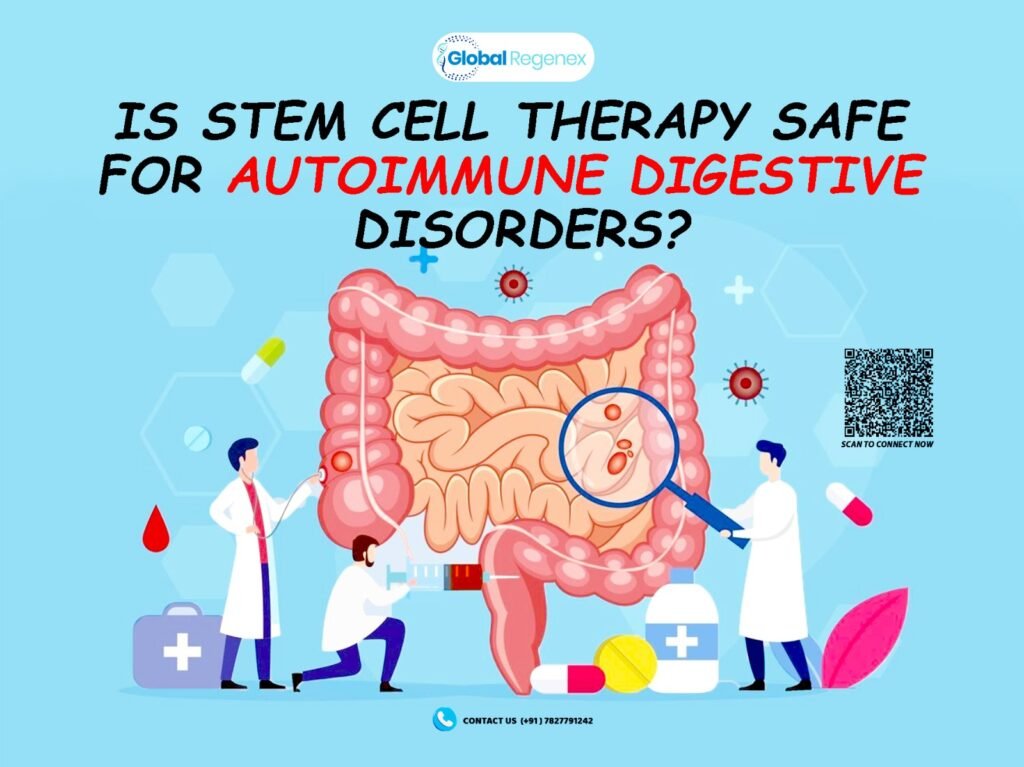
Summary: Exploring whether stem cell therapy is safe for autoimmune digestive disorders. Read this blog to understand how far research has come, what treatment involves, and why it is still being practiced under strict clinical environment. Suffering from an autoimmune digestive disorder is hard. As this condition doesn’t show up in the same way in every patient. This makes detecting this condition challenging. While in some cases, people tend to feel a consistent discomfort and unpredictable inflammations. And for others, it can easily influence nutrition, energy levels and everyday routine in a way you can easily notice. Sometimes, conditions like Crohn’s disease can be treated through medication and long-term treatments. Even then, symptoms start to stay presistent despte of the treatment. It is natural for people and families to look for other treatment areas, like regenerative medicine, that are currently being studied. Due to potential of stem cells, researchers have started to explore and discuss the possibility of future treatment. For patient, it is important to know exactly how process works—and where research stands at present—which will help the patient decide if it is worth pursuing. Overview of Autoimmune Digestive Disorders Autoimmune digestive disorders often arise in patients—when the immune system in the body starts to mistakenly attack various parts of the digestive system. As a result, it triggers inflammation around the affected area in the body. This may cause: chronic abdominal pain alterations in bowel movements tiredness and nutrition problems Such disorders tend to be recurring in nature, where flare-ups alternate with periods during which their symptoms are relatively well-controlled. Given this reality, treatment tends to consist largely of anti-inflammatory care designed for long-term stability. Mechanism of Stem Cell Therapy for Autoimmune Digestive Disorder The reason for fascination with stem cells lies in their ability and are being studied for their potential role in influencing immune response and tissue repair. In simple terms, research involving stem cell therapy revolves around their role in modulating the immune system and tissue healing. To get some information about autoimmune diseases in the digestive system, the question here are if these cells could be used: regulating inflammation markers modulating immune system functions promoting tissue repair It should be kept in mind that we have only scratched the surface of their potential and that we cannot predict their effects yet. Types of Stem Cell Therapies for Digestive Health After preliminary research, it seems regenerative medicine, such as stem cell treatment, is being actively explored in current research. In this case, we can explore various stem cell strategies used in cases of digestive disorders. Mesenchymal Stem Cells (MSCs): This treatment strategy has been extensively studied because of its potential application to regulate the immune response and inflammation. Hematopoietic Stem Cell Treatment (HSCT): For certain diseases, this treatment has already been used clinically for regulated disorders related to blood abnormalities. Other Cell-based Treatments: There is another set of treatments that has become popular, although they are currently undergoing research in many instances. Overall, there are several differences between these treatments based on their application and objectives. Nevertheless, it should be noted that all of these treatments remain experimental and are still under clinical trials. Safety and Efficacy of Stem Cell Treatments When considering any new treatment, one thing that remains every patient’s priority is—how safe is the treatment? Safety and effectiveness are key areas being evaluated in research. In the context of stem cell treatment, so far, research studies show results that remain inconsistent and vary from patient to patient. For some patient in clinical settings have experienced improvement in symptoms, while others have not. Additionally, some factors that may influence safety and efficiency include: differences in patient conditions differences in treatments lack of long-term study Therefore, due to these reasons, the treatment remains under observation for its efficacy and safety. For this reason, the therapy is not commonly used. Regulations and Approval Status of Stem Cell Therapies For every patient considering stem cell treatment as a supportive option for their condition, this is a matter that needs to be clarified well before undertaking the treatment. The stem cell therapy for autoimmune diseases of the gastrointestinal tract in India is presently classified as investigational and not as an approved method of therapy. The treatment can only be conducted through clinical trial processes guided by government regulations. Final Verdict Autoimmune digestive conditions need constant and careful attention. Although stem cell treatment is currently being researched for use in regenerative medicine, it is a developing field of treatment that has yet to gain acceptance into conventional medicine. Knowing the potential and the constraints is essential prior to moving on to anything further. In the event that you are looking into such options, a consultation with Global Regenex would be very beneficial to your considerations. Frequently Asked Questions Q1. Why Do Autoimmune Digestive Disorders Behave Differently In Each Person? These conditions are connected to the immune system, which often varies from patient to patient. Symptoms might be severe in some patients, while others can experience less severe symptoms. Q2. What Makes Managing These Conditions Long-Term So Challenging? Autoimmune digestive disorder becomes difficult to manage due to its recurring nature and constant flare-ups in the area, which need long-term adjustment. Q3. Why Is There Interest In Stem Cell Research For These Disorders? Scientists are studying stem cells’ potential to regulate immune system response and influence immune system response and inflammation. This is because autoimmune disorders arise due to an imbalance in the immune system. Q4. What Should Patients Be Careful About When Reading Online Information? Not every piece of information online about regenerative medicine reflects its true medical evidence. Some information may seem promising to the patient but lacks evidence-based support. It’s a must for patients to verify information with expert consultants to clearly understand available options. Reference Links (1) Wang, S., et al. “Stem Cell Therapy for Inflammatory Bowel Disease: Mechanisms and Clinical Application.” Stem Cell Research & Therapy, 2020. https://www.ncbi.nlm.nih.gov/pmc/articles/PMC7356930/ (2) U.S. National Library of Medicine. “Stem
How Many Stem Cell Sessions Are Needed for Knee Arthritis?
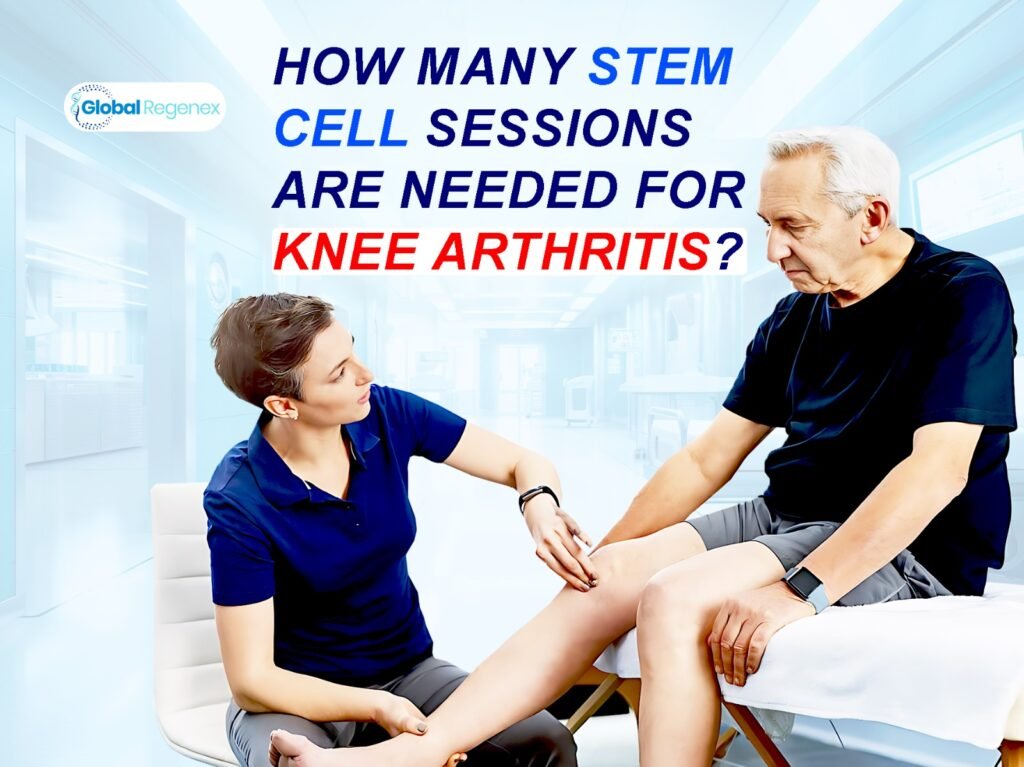
Summary: Understand how stem cell therapy for knee arthritis is being explored, what influences the number of sessions, and why this approach remains investigational rather than routine care. Knee arthritis often progresses gradually. What, in some cases, starts as a small stiffness can slowly turn into continuous discomfort. Most people do not begin treatment by exploring advanced options right away. They begin with attempting to control their knee arthritis using more straightforward means such as medication and exercise, which at times proves adequate. But once the pain persists or when mobility becomes more limited, patients’ considerations change, leading them to explore possibilities that were initially beyond their thoughts, including areas like regenerative medicine. The main question at that stage is no longer about whether something seems appealing but rather how it operates and what it entails, such as the number of sessions required to understand how it is studied. To get the answer to all these questions, keep reading. How Does Stem Cell Therapy Work for Knee Arthritis? To understand how many sessions it may take to provide relief to the patient. The patient must understand how stem cell therapy actually works. In the field of regenerative medicine, the emphasis does not lie on the replacement of damaged tissue. Rather, stem cell technology studies the possibility of impacting the joint environment in such a manner that it helps with the inflammatory response of the body. This is a slow process, and if there is any success. There are no consistent results, which explains why there is also no standard treatment yet. Factors Influencing the Number of Sessions Stem cell therapy for knee arthritis is often discussed as an area of research. And the patient is often curious to know how many sessions they would have to undertake for a good recovery. Currently, there isn’t a standard number of sessions established yet due to it still being researched. However, some factors can influence how this is approached in clinical settings: Stage of arthritis: Early-stage and advanced joint changes may respond differently in research settings. General health and lifestyle: Activity level, weight, and overall health may influence how the body responds. Research Protocol: Various studies have used various protocols hence, sessions could be varied. Body Response Over Time: Some patients can experience changes slowly over time, while others will not. Due to all these factors, it’s difficult to standardize the session number. Consulting with a Specialist: What to Expect Before discussing treatment options, evaluation is the most essential first step, and it is far more comprehensive than anyone might think. It is much more than an examination of the knee. A specialist will take time to understand the full picture: Understanding your condition, how the pain started, and for how long Reviewing any existing scans, X-rays, MRIs, or any other diagnostic information from the past Discussing previous treatment attempts and their effect on your body Evaluating if there is scientific evidence that supports your situation The first discussion is not designed to persuade you into making a decision. Its aim is simply to determine whether this course of action is appropriate for you. Individual Experiences: What They Show and What They Don’t Most patients often come across people sharing their experiences online or through word of mouth. Sometimes, this information can be encouraging for the patient seeking treatment for their condition. At the same time, the result does not seem more reliable. That variation is important. Although some individual cases can give information about how the treatment works and what is possible, but not tell the full story. In research, regenerative medicine has shown encouraging yet inconsistent outcomes across different patients. So while these experiences can be interesting to read, but patient are advised not to make a decision based on them. Adjusting Treatment Plans Based on Patient Progress Currently, there is no standard treatment of regenerative medicine for knee arthritis that every patient may follow. Even being in the investigational phase, this treatment is not standard but is based on the following conditions: symptom progression joint response patient comfort and function These reasons also make the treatment more adaptable rather than pre-planned. That’s why there is no standardized number of sessions for every patient, as no two diagnoses are the same. Need Expert Advice: Global Regenex When thinking about stem cell treatment for knee osteoarthritis, the patient must know what is suitable for their condition. Consulting with the team at Global Regenex can help you understand what is relevant based on your condition and current medical guidelines. The Bottom Line Treatment for knee arthritis is often long-term, and there is no standard treatment procedure. Stem cell therapy may be used in some cases, but it doesn’t consist of a set number of visits and is currently being researched. Knowing this will allow the patient to have realistic expectations. If you have the proper counseling, you will be able to determine which information is suitable for your case and which information needs to be researched further. Frequently Asked Questions Q1. Does Knee Arthritis Require Multiple Stem Cell Sessions? There is no standard number of sessions. Different research protocols may involve single or multiple sessions depending on the study design. Q2. What Influences the Number Of Sessions? Many factors, such as the intensity of arthritis, personal well-being, and the reaction to treatment, play a significant part here. Q3. Does A Higher Number Of Sessions Improve Results? No, this is not necessarily true because the method is still under investigation, and more treatment does not guarantee more successful outcomes. Q4. How Are Sessions Usually Spaced? In the context of research, if there are any sessions at all, these would be timed depending on the protocol used and the response of the patient. Q5. Is It Possible To Predict The Outcome? No, results cannot be predicted. This is one of the reasons why the treatment is considered experimental. Reference Links (1) Lamo-Espinosa, J. M., et al. “Mesenchymal Stem Cell Therapy in Knee Osteoarthritis: A
Can Stem Cells Treat Degenerative Disc Disease Naturally?

Summary: Discover how stem cell therapy for degenerative disc disease is being explored in research, what current treatments involve, and why it remains investigational rather than routine care. You bend over to retrieve your kid’s ball, perhaps a bag, and then there is sensation again. Your lower back pulls a little. You stand up and wait for a moment, hoping it will go away. At first, it starts out feeling nothing serious, but eventually, that begins to happen more often than not. It takes longer to stand up from a chair, or even just to turn your head a little bit. For most people, physiotherapy, drugs, or even surgical intervention can be applied. However, if there is no consistency in pain management, then it becomes obvious for people to consider exploring other advanced alternatives. This is where regenerative medicine and stem cells become relevant. While it sounds like a promising treatment, it’s important to understand what is actually known and what is still being studied. Keep reading to find out. What Is Degenerative Disc Disease? Degenerative disc disease essentially refers to the aging or deterioration of the spinal discs. The discs serve as the cushions between the spinal bones, allowing for easy movement. The following are symptoms that you may experience due to the changes in the discs: Back stiffness Episodic pain Pain while sitting The exact reason for degenerative disc disease is not clearly known since it can be caused by many factors, such as age and lifestyle. Due to the lack of a definite causative factor, treatment becomes more of management than healing. How Stem Cells Work in Treatment Most researchers are interested in how stem cells behave inside the body. As they do not play a specific part. Fortunately, they can easily transform themselves into other kinds of cells and tissues within the body as needed. In terms of degenerative disc disorders, scientists are not focusing on replacing the disc. In this situation, research is being conducted as to whether these cells will help in inflammation or support how the surrounding tissue responds to the treatment. What Research Is Exploring in Stem Cell Therapy for Disc Disease Most information regarding the use of stem cell therapy on degenerative discs is based on preliminary research. It should be noted that in such situations, the significance of obtaining positive results lies in raising interest in further research and the need to study the issue before making any conclusions. These areas can be listed: Effects on Inflammation Processes: Whether the stem cells affect inflammation around the affected disc. Promoting Healing Processes: This includes the investigation of the role of such cells in stimulating the body’s response to tissue damage. Improving Function: Studies investigating possible gradual changes associated with movement or pain. However, till now, results remain inconsistent. In some cases, people undergo changes, whereas others do not observe such changes. Natural Alternatives to Surgery for Disc Issues A surgical procedure for disc pathology is usually not the first option considered, and not even in most cases. Many disc issues can resolve themselves through the right treatment approach and sufficient time. What usually works: Physiotherapy: Specific physical exercises that build muscle mass to provide adequate support for the spine and, therefore, alleviate the pressure on the affected disc Anti-inflammatory Medication: Useful for treating flare-ups but not really recommended as a long-term treatment option Epidural Steroid Injections: Effective in soothing irritated nerves, especially if the pain radiates down into the legs Chiropractic Treatment: Spinal adjustment that suits some individuals, especially when symptoms are still in their early stages Changes to Lifestyle: People undertaking these natural treatments are advised to make some lifestyle changes, such as posture, mobility patterns, and weight, all of which influence the amount of pressure placed on the disc each day One must understand that treatments above will take time and effort, but for most people who have problems with their discs, they’re well worth exploring thoroughly before considering surgery. Need Expert Advice While researching alternative treatments such as stem cell treatment, you will find plenty of data that might seem interesting, yet unclear at the same time. This can make people unsure whether to consider a regenerative approach or not. So, in case you are thinking about choosing this approach, it is important to take some time and learn more about what is really relevant for your health issues. Consulting with Global Regenex will give you expert guidance based on your condition and eligibility. Putting It All Together Degenerative disc disease is hardly ever a clear-cut case – and the route to take is unique to each individual. Traditional therapy can be effective for many patients, but not all that much for others. Regenerative medicine may not be a surefire step to take next for you, but it’s something you should know more about if you have been dealing with this disorder for quite a while now, without making much progress. Frequently Asked Questions Q1. Is Stem Cell Therapy Available for Degenerative Disc Disease? No, it is currently considered investigational and is not part of routine treatment. Q2. Does Stem Cell Therapy Have the Ability to Fully Rebuild a Degenerated Disc? No, because it cannot repair the disc completely based on scientific evidence. Its potential impact on symptoms has been the main concern of studies. Q3. Is It a Natural Substitute for Surgery? No, it is only under investigation, and not yet used as a substitute for surgery or conventional treatment methods. Q4. Are Clinical Trials on Stem Cell Therapy for Degenerative Disc Show Consistent Results? No, because different patients have different experiences after receiving this treatment. Q5. Why Should We Need to Consult Before the Treatment? With a proper consultation with Global Regenex, you will be guided with useful information about this treatment and to check if you’re eligible or not. Reference Links (1) Sakai, D., and Andersson, G. B. J.“Stem Cell Therapy for Intervertebral Disc Regeneration: Current Status and Future Perspectives.”Global Spine Journal, 2019. https://www.ncbi.nlm.nih.gov/pmc/articles/PMC6626674/
Latest Clinical Research on Stem Cell Therapy for DFU
Summary: Discover how stem cell therapy for diabetic foot ulcers (DFU) is being studied in clinical research, what recent findings suggest, and why it remains investigational rather than routine care. Have you been struggling with a severe diabetic foot ulcer? Dealing with diabetic foot ulcers is one of the most challenging conditions. In some cases, it begins as a small wound that gradually starts to heal slowly, especially when the blood flow starts to weaken, and infection starts to spread, making it a long-term issue for many patients around the world. Although standard treatment has been used for years for wound care, infection control, and reducing disease progression. Whereas these treatments are necessary, healing can take time. This is the point at which patients look for the use of regenerative medicine, and stem cell technology has become an area of interest, especially when it comes to seeing how these methods can facilitate wound healing. Understanding Diabetic Foot Ulcers: Causes and Challenges In simple terms, diabetic foot ulcers develop in patients due to a combination of factors connected to prolonged diabetes. Some common factors are: Reduced blood circulation to the lower limbs Nerve damage leading to decreased sensitivity Increased susceptibility to infections Slower wound healing Due to reduced sensitivity, patients often fail to recognize small injuries and wounds until they gradually progress enough to turn into a diabetic foot ulcer. That is why managing DFU usually demands persistence, but even then, recovery takes time. How Stem Cell Therapy Works for DFU As it core, stem cell therapy is the process where stem cells are injected into a patient’s body, to support and boost the body’s healing system through being studied for their potential role in supporting repair processes and influencing how tissues respond to injury To shine a light on DFU, the primary purpose of stem cell research involves investigating their potential to provide a new avenue for wound healing. Instead of serving as a therapy in its own right, stem cells have been examined in terms of their potential to: Affects the inflammatory response at the site of injury Promote angiogenesis Interface with tissue repair mechanisms The goal is to determine if these interactions could create a healing-promoting environment. So far, this is just part of ongoing research that is still under study, not as a practical treatment method. Recent Clinical Studies on Stem Cell Therapy for DFU For many patients considering stem cell therapy for their diabetic foot ulcers, they should understand the condition first and learn how the treatment works. While scientists have done several studies and clinical trials that have explored stem cells for diabetic foot ulcers. These results include: increased ability to close wounds for some patients improvement in blood flow to damaged tissues a gradual decrease in the size of the wound However, these results do not consistently appear in all studies. While some have seen little improvement, others recognize the need for more substantial trials. Understanding these variations is important, as they reflect how therapy is still being evaluated and not confirmed as standard treatment. Potential Benefits of Stem Cells in DFU Treatment Before undertaking any treatment, patient often explore how the particular treatment might benefit their condition. In the context of stem cells in DFU treatment, current regenerative medicine research is being explored as a potential benefit. Here are some areas being explored in research: Enhancement of Blood Circulation: Investigations are being conducted to determine whether stem cells can help in the development of new blood vessels. Aiding in Tissue Repair: The role of stem cells in helping the body heal naturally is also under investigation. Decrease in Inflammation: Certain investigations indicate that stem cells might impact the body’s inflammatory response. Change in Wound Healing: In some studies, the wounds exhibited signs of improvement. These areas might seem promising, but patients should know that these benefits are still in the experimental phase and cannot be guaranteed. Challenges and Limitations of Stem Cell Therapy for DFU Though some findings of the study may make patients feel encouraged, it is important to look at certain limitations too. Differences in Results: After performing different clinical trials, it is recorded that not all patients respond to treatment in the same way. Lack of Long-Term Studies: Due to inconsistent results, more studies and research are required to establish it as a standard treatment. Different Protocols Used: Each study uses its unique protocol. Specific Patient Characteristics: General health status and wound condition have an impact. Due to these factors, stem cell therapy for DFU still remains in the research phase. Need Expert Advice: Global Regenex When exploring new or investigational options, it is important to first understand where they stand in current medical research. This is why a proper consultation with an expert is important to determine if your condition can be treated through stem cells or not. Consulting with the experts at Global Regenex will assist you in reviewing your situation more realistically by evaluating which approaches are already proven, which are still being researched, and whether certain approaches are suitable for you or not. Putting It All Together Managing diabetic foot ulcers can be complex, especially when healing is delayed or complications develop. Even as stem cell treatment of DFU is being researched under the field of regenerative medicine, it remains at a developmental stage and does not form part of regular treatment procedures. The patient must be aware of the pros and cons involved. With the correct information, patients can undertake alternative therapies responsibly. Frequently Asked Questions Q1. Why Does It Take Longer To Heal DFUs? The healing process can be slowed down by reduced blood flow, neuropathy, and an increased risk of infections that make healing less effective over time. Q2. How Are DFUs Different From Other Wounds To Be Treated? Stem cell therapy research focuses on exploring whether stem cells can influence circulation, inflammation, and tissue repair processes. Q3. What Does Stem Cell Therapy Research Focus On? Stem cell therapy research focuses on
How Technology Is Making Regenerative Medicine More Accurate
Summary: Technology is indeed transforming regenerative medicine driving a more accurate diagnosis, personalising treatments, and tracking real-time progress. Utilizing data analytic tools, imaging tools, and AI for better well being of the patient. Most people often wondered how doctors know whether treatment is actually working inside the patient’s body? To shine a light on regenerative medicine, this question becomes important. Patients choosing treatment like stem cell therapy often look to repair damaged tissue, but for them to be more effective doctors need accurate information about the patient’s condition and recovery cycle. This is where modern technology changes the regenerative medicine field, facilitating doctors with advanced diagnostic tools to artificial intelligences. Technology is helping both doctors and researchers understand how the human body works in far more detail and tailoring personalized treatment for patients with different conditions. Let’s look at how different technologies are making regenerative medicine more accurate and personalized. Precision Diagnostics in Regenerative Medicine Traditionally, every treatment session begins with a proper diagnosis. With accurate diagnostics tests and reports help regenerative medicine experts find the root cause of the condition and how damage it has caused. Modern medicine follows the same sophisticated diagnostic equipment to gain a good understanding of a patient’s health. Biomarker Testing: These tests can measure blood markers that signify the presence of inflammation, cell damage, or disease progression. Genetic Screening: Some diseases are caused by genetics. This information enables the doctor to provide a better treatment plan. Advanced Laboratory Analysis: These tests measure the state of the cells before any regenerative therapy is administered. Doctors can provide regenerative therapy with more assurance when they have a more accurate understanding of the human body. Data Analytics and Its Role in Treatment Outcomes Top healthcare often has a huge amount of information such as patient records, imaging reports, labs results, and treatment outcomes. With data analytic tools regenerative experts utilize this information for better treatment. Rather than rely on experience, experts can now study patterns across many other cases. Data analytics helps in several ways: Understanding the percentage of patients who are successfully treated Determining based on data which therapies are most effective for the different conditions Adjusting treatment accordingly by referring to actual patient results and records This means regenerative medicine can gradually become more evidence-driven and accurate. Wearable Technology for Monitoring Regeneration Progress People, nowadays, use smart watches and other devices to monitor everyday health progress. For patients undergoing regenerative therapies, these devices provide useful insights into recovery. Doctors can track things like: Physical activity levels Sleep quality Heart rate patterns Mobility improvements Doctors can monitor patients in real time, rather than waiting for the next hospital visit. This ensures that treatment plans can be adjusted if necessary. Machine Learning Algorithms in Patient-Specific Therapy Machine learning is a type of artificial intelligence that assists computers in analyzing large amounts of information and recognizing patterns. In regenerative medicine, machine learning is also being researched to assist doctors in creating more personalized therapies. Machine learning systems may help doctors: Predict how patients may respond to stem cell therapy Analyze complex medical information more efficiently Assist in research studies by recognizing patterns in patient treatments By learning more about patients, machine learning systems may help doctors select therapies that are more appropriate for their individual needs. The Use of Imaging Technologies in Tissue Repair With imaging tools doctors can exactly pinpoint what is occurring in the body. This is particularly significant in the field of regenerative medicine, where the aim is to repair damaged tissue or cells in the patient’s body. Several imaging techniques assist doctors in monitoring the healing process: Magnetic Resonance Imaging (MRI): This technique is effective for checking patient’s soft tissues, nerves, and cartilage. Ultrasound Imaging: This method helps the doctor to view the tissues in real time. Advanced Cellular Imaging:This technique is employed in the research field to analyze the behavior of the cells in the regeneration process. These techniques assist the doctor in checking whether the healing process is proceeding as expected. To Bring It All Together With modern technologies, regenerative medicine has become more precise and personalized. From diagnostic to monitoring devices, helping both patient and doctors understand how the body is responding to the treatment and how well the body is healing. If you are looking for regenerative medicine, then Global Regenex can provide you with the guidance and consultancy you need. Frequently Asked Questions Q1. What is regenerative medicine? Ans. Regenerative medicine is a medical approach that heals damaged tissues using advanced supportive treatment such as stem cell therapy. Q2. How does technology help in the improvement of regenerative medicine treatments? Ans. Modern technologies assist medical expert diagnosis patients properly and provide a tailored treatment based on their condition. Additionally, evaluating after care progress of the patient. Q3. How does artificial intelligence help in the practice of regenerative medicine? Ans. Artificial intelligence uses large medical data sets and identifies patterns that can help medical practitioners develop customized regenerative medicine treatments. Q4. Can wearable devices help track recovery after treatment? Ans. Yes, wearable technology can help medical practitioners in evaluating the progress of patients using various health indicators such as the rate of activity and the rate of heartbeat. Q5. Why are imaging technologies important in regenerative treatments? Ans. Imaging technologies help medical practitioners in evaluating the progress of patients and determining if the regenerative medicine treatment is effective in the healing process. Reference Links Precision medicine and regenerative medicine integration https://pmc.ncbi.nlm.nih.gov/articles/PMC7288190/ Artificial intelligence in regenerative medicine https://pmc.ncbi.nlm.nih.gov/articles/PMC7864893/ Wearable technologies in healthcare monitoring https://pmc.ncbi.nlm.nih.gov/articles/PMC7506577/ Imaging technologies in regenerative medicine https://pmc.ncbi.nlm.nih.gov/articles/PMC6121288/
Autologous vs Allogeneic Stem Cell Treatment: What’s Best?

Summary: Find out how autologous and allogeneic stem cell therapies differ from one another in their use of different types of stem cells. Knowing the difference between them, their costs, and success rates enables an individual to make an informed choice about stem cell therapy. As the medical science progresses new advanced treatments emerge supportive treatments for various conditions. One of them is stem cell therapy. When people hear about new therapy like stem cell therapy, many questions come to mind how this therapy works and where these stem cells come from. This answer often falls into two main categories which are autologous and allogenic stem cell treatments. Although both approaches are used in regenerative medicine and stem cell therapy, the difference lies in how these cells are sourced and how they interact with the patient’s body. Deciding between these two types depends on several factors like medical condition, overall health, and treatment goals. Understanding these differences can help patients feel more confident when exploring regenerative medicine treatments. Overview of Autologous and Allogeneic Autologous Stem Cells: This type of stem cells are sourced from patients’ own body, usually from bone marrow or fat tissues. Allogeneic Stem Cells: These stem cells, on the other hand, are taken from another donor. Key Differences Between Autologous and Allogeneic Treatments Feature Autologous Stem Cells Allogeneic Stem Cells Stem Cell Source Taken from the patient’s own body. Derived from another donor. Risk of Rejection Very low. Possible immune rejection. Preparation Time It requires cell collection. Often ready from cell banks. Immune Compatibility Naturally compatible. It needs compatibility screening. Typical Application Orthopaedic condition, regenerative therapy. Blood disorders, immune therapies. How to Choose Between Autologous and Allogeneic Therapy Determining the type of therapy that suits the case means that medical experts have to assess the case. In most cases, the medical expert will weigh various factors before determining the type of therapy that suits the patient. Some of the factors that the medical expert will consider include: Type of Disease or Condition: It is only logical that different diseases require different types of treatment. Overall Health of the Patient: It is true that some people may have certain medical conditions that require that they exclude certain types of treatment from the options that are available. Availability of Healthy Stem Cells: In some cases, the patient may not have enough healthy stem cells; therefore, autologous therapy cannot work. Treatment Goals: Some forms of therapy require that the patient replace their immune system, whereas others require the regeneration of tissues. A tailored discussion is a must in order to find out what form of treatment suits the case best. Cost Comparison: Autologous vs Allogeneic One of the factors that patients often consider is cost when deciding on the option of regenerative medicine is the cost of the therapy. Generally, the cost of the therapy will depend on: the type of medical condition the complexity of the therapy the number of therapy sessions the hospital or research facility Patients should always consult with the healthcare professionals regarding the cost of the therapy. Success Rates: Autologous vs Allogeneic Stem Cells Just any other treatment, success rate of stem cell therapy heavily depends on the condition being treated and the clinical protocols used. Autologous Stem Cell Therapy: This therapy is commonly used in regenerative medicine to treat conditions ranging from orthopedic injuries to autoimmune disorders. Since these stem cells are obtained from the patient’s own body, leading to lowering chances of rejections. Allogeneic Stem Cell Therapy: This form is often employed in the treatment of different forms of leukemia and lymphoma through the transplantation of bone marrow. Both forms have proved effective in different medical facilities. However, the success rate differs from one medical setting to another. Patient Experiences: Autologous vs. Allogeneic Treatments Each patient experiences different results based on their condition and type of treatment. Autologous Treatment Experience Patients who underwent autologous stem cell treatment often feel positive results due cells are sourced from the same patients, reducing concerns about immune rejection and compatibility. Some of the experiences include: Less time taken to prepare for the treatment Less complications arising from the immune system Treatment carried out in a clinical setting Allogeneic Therapy Experiences Patients who are given donor cells often require further monitoring in order to ensure there are no complications and immune compatibility for the new cells. It is often necessary for certain cases when the patient’s own stem cells are not suitable or the patient’s immune system needs to be replaced. The Bottom Line Autologous and allogenic stem cell treatments each have benefits in healing. Which one works best? That depends on the patient’s health and how things look. If you want more details, reach out to global Regenex. Commonly Asked Questions Q1. What is the main difference between autologous and allogeneic stem cell therapy? Ans. Autologous therapy uses a patient’s own stem cells, while allogeneic therapy uses stem cells donated by another compatible individual. Q2. Which stem cell therapy is safer? Ans. Yes, autologous stem cell therapy usually carries lower risk of immune rejection because the cells are derived from the patient’s own body. Q3. Why are donor stem cells used in some treatments? Ans. Allogeneic stem cells are often considered when a patient’s own stem cells are damaged or unsuitable for treatment. Q4. Are both stem cell therapies used in regenerative medicine? Ans. Yes, both approaches are used in different medical settings depending on the disease and treatment goals. Q5. How do doctors decide which stem cell therapy is appropriate? Ans. Doctors decide which stem cell therapy is suitable by examining the patient’s health status. Reference Links Stem cell therapy: Current status and future prospects https://pmc.ncbi.nlm.nih.gov/articles/PMC11634165/ Autologous versus allogeneic stem cell transplantation https://pmc.ncbi.nlm.nih.gov/articles/PMC3348753/ Stem cell transplantation overview https://www.ncbi.nlm.nih.gov/books/NBK482292/ Clinical outcomes of stem cell transplantation https://pmc.ncbi.nlm.nih.gov/articles/PMC4096005/
Stem Cell Treatment for Autoimmune Disorders: Is It Effective?
Summary: Explore whether stem cell treatment is the answer to your autoimmune disorders by supporting immune regulation and tissue regeneration in the body through regenerative medicine. Traditionally, our immune system is designed to protect our body from any infections and harmful substances that may enter the human body from the environment or food. However, there are times when the immune system gets mixed up and ends up attacking the normal cells in the human body. This is considered to be an autoimmune disorder that could range from lupus to type 1 diabetes. For many patients suffering from such diseases, the only solution is to adopt various kinds of medication that help to weaken the immune system to a great extent. But fortunately, in the last few years, researchers have made some good progress in the field of regenerative medicine that could help patients suffering from autoimmune diseases. Nowadays, scientists are trying to find out whether the therapy involving stem cells could help to regulate the immune system to a great extent for patients suffering from autoimmune diseases. The concept of treating autoimmune diseases with the help of regenerative medicine sounds good. Let’s find out how. Understanding Autoimmune Disorders: Causes and Symptoms Autoimmune disorder often happens when the body’s protective immune system starts acting against the body by attacking the healthy cells. This abnormal act of the immune system can harm any organ in the body depending on the condition. Common Causes There are many causes of autoimmune diseases, including: Genetics: Some people can inherit the high risk of getting immune disorders. Environmental Factors: There are a number of different environmental factors or things that cause your immune system to develop an autoimmune disease, including infections, toxins and certain medications. Hormonal Factors: The majority of autoimmune diseases occur in women. This is an indication that hormones have a role in the development of these diseases. Immune System Dysregulation: One of the reasons why the body’s immune system may attack its own tissues is because there are faults in immune signalling. Common Symptoms The symptoms typical of each autoimmune disease differ greatly. Some common signs and symptoms are: Chronic inflammation Joint pain and swelling Fatigue Skin rashes Muscle weakness As well, the symptoms of autoimmune diseases often vary based on the organ that has been affected and can change over time. What Are Stem Cells? Types and Functions Stem cells are renowned due to their ability to develop into different types of cells and help support the healing through repair and regeneration. Here are the properties of stem cells. Self Renewal: these cells can produce new stem cells. Differentiation: have ability to transform into different types of cells. Kinds of Stem Cells Used for Research Scientist are currently focused on two types of stem cells for autoimmune disorders: Induced Pluripotent Stem Cells (iPSCs): These types of stem cells are reprogrammed adult cells that often behave like early-stage stem cells. They have the potential to develop into various specialised cells and widely used in research. Adult Stem Cells (Mesenchymal Stem Cells): Adult stem cells are located in tissues like bone marrow or fat. These cells have the power to modulate immune reactions and secrete growth factors that help in the repair of tissues. How Stem Cells May Help Stem cells may help in the treatment of autoimmune diseases in the following ways: Regulating immune system activity Reducing inflammation Repairing damaged tissues in affected organs These processes are being researched in clinical environments. Current Research on Stem Cell Treatments for Autoimmune Diseases For the last two decades, several studies have been carried out by scientists on the potential of the management of autoimmune diseases using stem cells. Most of the studies carried out have been on the potential of the management of autoimmune diseases using mesenchymal stem cells (MSCs). This is due to the fact that the cells have the potential to modulate the immune system. The potential of the management of autoimmune diseases using stem cells includes: Multiple Sclerosis Systemic Lupus Erythematosus Rheumatoid Arthritis Crohn’s Disease All the studies carried out on the management of autoimmune diseases using stem cells have shown positive results. However, the results obtained have been variable. Therefore, the management of autoimmune diseases using stem cells is considered a topic of active research. Benefits of Using Stem Cells in Autoimmune Therapies Stem cell therapy is gaining prominence in the realm of research thanks to its potential to enhance the body’s innate healing mechanisms and modulate the immune system. Numerous findings have been produced on how this method could be used for treating autoimmune disorders, amongst other things. Immune Regulation: Could be helpful in regulating an immune system that is out of balance. Reduced Inflammation: Might be one of the ways through which the extended inflammatory reaction is controlled. Supports Tissue Repair: Could be the way in which the body mends injured tissues. Manages Symptoms: May help improve daily functioning and comfort. Regenerative Approach: Instead of only alleviating the symptoms, it is solving the problem of the tissues at the root level. The Concluding Thoughts Stem cell therapy is an interesting avenue of research in the treatment of autoimmune diseases. With an approach that focuses on immune regulation and tissue repair, it is hoped that regenerative medicine holds promise in the treatment of immune system diseases. For patients seeking further information on regenerative medicine, it is suggested that Global Regenex provide professional advice on the subject. Frequently Asked Questions Q1. Can stem cell therapy help in the treatment of autoimmune diseases? Ans. Currently, stem cell therapy is being examined as a supportive treatment for regulating immune reactions. Q2. Which autoimmune diseases are being researched with stem cell therapy? Ans. Autoimmune diseases like lupus, rheumatoid arthritis, multiple sclerosis, and Crohn’s disease are being researched. Q3. How do stem cells help in autoimmune diseases? Ans. Stem cells help in controlling immune reactions by reducing inflammation in autoimmune diseases. Q4. Is stem cell therapy used in the treatment of autoimmune diseases? Ans. Many stem cell therapies are
What Is Regenerative Medicine? A Complete Beginner’s Guide
Summary: Regenerative medicine is a medical approach to healing or repairing damaged tissues through the application of sophisticated medical technologies, such as stem cell therapy, tissue engineering, and cellular therapies, to enhance the healing process. Have you ever thought about if your body could heal the damaged tissues themselves after every injury? Seems fictional. Traditionally, most of the treatments are focused on providing patients with symptom-based relief or slowing the progression of the condition. But regenerative medicine, on the other hand, takes a different approach. Advanced treatment like regenerative medicines aims to restore and repair damaged tissues, helping the body recover functions properly rather than managing illness. Researchers are currently exploring its potential for treating many other conditions and disorders ranging from neurological to autoimmune. Due to this potential, over the few decades, regenerative medicine has also gained immense popularity worldwide as supportive treatment. For patients considering this advanced treatment, understanding its basics is an important first step. Introduction to Regenerative Medicine Regenerative medicine is a medical treatment that focuses on providing healing through repair and regenerating the damaged tissues or cells in the body. Instead of only treating symptoms, regenerative therapies aim to restore function in the affected area. Some of the important aims of regenerative medicine are as follows: Healing the tissues that are damaged due to injury or disease. Initiating the natural healing process of the body. Replacing the damaged tissues with healthy ones. Increasing the rate of the healing process for the patient. Stem cells play an important role in the practice of regenerative medicine, as these cells can develop into different specialized cells. History and Evolution of Regenerative Medicine With many decades of long research and clinical trials, regenerative medicine has achieved some of the major milestones. Here are the following: 1950s Bone Marrow Transplant The use of bone marrow transplantation was one of the earliest regenerative medicine treatments for blood disorders and certain cancers. 1990s Stem Cells Research Expansion Researchers started investigating stem cells for their potential to regenerate damaged body tissues and organs. Early 2000s Tissue Engineering Developments Researchers began to use stem cells along with biomaterials in order to make regenerative medicine therapies easier. Recent Years Clinical Trials for Regenerative Therapies The latest regeneration medicine research is geared towards neurological, orthopedic and metabolic conditions. Regenerative medicine is still making progress by small steps through new technology for understanding the regeneration ability of the human body. Key Principles of Regenerative Medicine Scientists examining regenerative medicine follow several scientific principles that guide the modern era of how therapies are being developed. Cell Regeneration: Our body continuously produces new cells to replace those damaged or lost, provided the biological environment is appropriate. Cellular Communication: Cells are capable of sending and receiving signals to orchestrate the repair process. Tissue Repair and Remodeling: Tissues have the potential to be restored to health with the right biological factors. Restoring Function Rather Than Managing Symptoms: One of the main aims of regenerative medicine is to bring back the health of the body rather than focusing on symptom relief alone. Common Techniques Used in Regenerative Medicine Different medical techniques are used by those who practice regenerative medicine. Stem Cell Therapy: Stem cells are special cells that have the ability to turn into other body tissues. Researchers are particularly interested in stem cells because they might be able to boost the body’s natural ability to repair and regenerate tissues. Tissue Engineering: This technique develops tissue repair structures using a combination of cells and biomaterials. Platelet Rich Plasma (PRP) Therapy: This therapy uses the components of the patient’s own blood to promote tissue regeneration by providing growth factors to the tissues. Cell Therapies: This therapy delivers healthy cells to the body for the purpose of tissue repair and regeneration as well as cellular function improvement. Research is being done on these techniques to find out how effective and safe they are for various conditions and disorders. Benefits and Challenges of Regenerative Medicine Just as any new treatment, regenerative medicine emerges with its own benefits and challenges. However, researchers are currently exploring how these therapies can safely support healing for patients while ensuring long-term effectiveness. Potential Benefits May help repair tissues and organs that have been damaged May improve the recovery of injured tissues and organs May reduce the necessity of surgical interventions May support the concept of personalized treatment approaches Current Challenges Some therapies are still undergoing clinical research Treatment responses vary among individuals Long-term safety and effectiveness are still being researched Medical regulations must be stringently enforced to guarantee safe treatments As a result of the aforementioned factors, regenerative medicine treatments must always be considered with the advice of a medical expert. Final Verdict Regenerative medicine is a breath of fresh air in the world of modern medicine. It is not only about healing but also about regenerating the damaged tissues instead of just treating the symptoms. The continuous research in the field of regenerative medicine gives a lot of hope of learning new ways to cure various diseases. Should you want to learn more about these revolutionary treatments, reach out to Global Regenex who can provide you with expert advice on regenerative medicine and stem cell therapy. Frequently Asked Questions Q1. What is regenerative medicine used for? Ans. Regenerative medicine is being researched for a wide range of diseases and disorders including joint damage, brain disorders, heart problems, and other conditions related to aging. Q2. How does regenerative medicine work? Ans. It repairs damaged cells and helps the body’s natural healing mechanisms by using methods like stem cell therapy and tissue engineering. Q3. Is regenerative medicine widely available today? Ans. While some procedures have become a part of regular healthcare, many regenerative medicine methods are still under clinical research and trials. Q4. What role do stem cells play in regenerative medicine? Ans. Since stem cells are capable of differentiating into various types of cells and they can replace damaged tissues, they are a main focus of regenerative medicine research.