Table of Contents
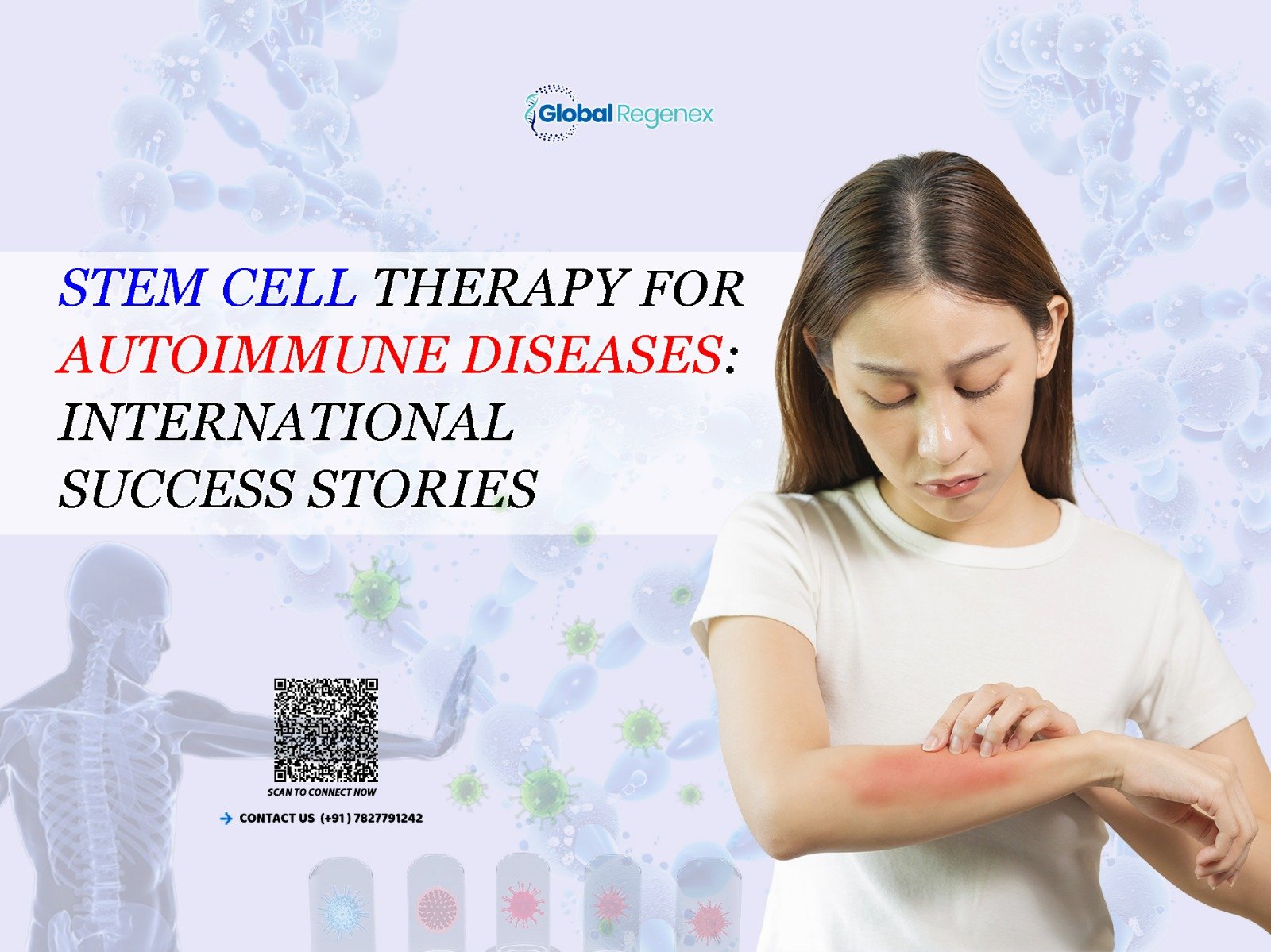
Summary: Autoimmune conditions remain one of the most challenging chronic conditions to manage due to immune system dysregulation and long-lasting inflammation. International research into stem cell therapy shows encouraging patterns of functional improvement and immune modulation. This blog explores international stem cell research for autoimmune diseases, examining reported outcomes and what ‘success’ truly means in regenerative medicine.
Living with an autoimmune disease often involves managing flare-ups, fatigue, pain, and long-term medication use rather than addressing the underlying biological imbalance. Many patients around the world eventually reach a point where treating only symptoms is not enough. This is where regenerative medicine, like stem cell therapy, has drawn growing scientific attention.
Across international clinical studies, stem cell treatment is being evaluated not as a cure, but more as a supportive approach aimed at immune modulation and tissue protection. Understanding real-time results helps patients differentiate scientific progress from unrealistic claims.
Overview of Autoimmune Disease
Autoimmune diseases result from the immune system attacking normal body tissues. This is because the immune cells produce chronic inflammation in the affected organs, joints, nerves, or connective tissue. In other words, the body’s protective mechanism ends up causing harm.
Common challenges include:
- Persistent inflammation despite medication
- Progressive tissue damage
- Long-term dependency on immunosuppressive drugs
- Variable response to standard treatments
Traditional therapies have largely targeted suppression of immune system activity rather than immune normalization, highlighting the need for alternative biological approaches.
Role of Stem Cell Therapy in Treating Autoimmune Disease
Stem cell therapy has emerged as a supportive approach that has drawn increasing scientific interest in autoimmune conditions. This treatment works by moving beyond managing only symptoms and towards repairing and restoring the immune system.
Current research primarily examines this therapy through two key pathways, which involve immune system reconstitution through blood-forming cells and inflammation modulation using stromal cells.
Here are the main mechanisms of action:
Immune System Reset (HSCT): The hematopoietic stem cell transplantation (HSCT) process involves taking the patient’s own stem cells, using chemotherapy to ablate the malfunctioning immune system before reintroducing stem cells to build a new self-tolerant immune system.
Immunomodulation (MSCs): One type of stem cell is mesenchymal stem cells, which secrete bioactive factors that influence immune regulation and inflammatory pathways. MSCs, instead of replacing the immune system, travel to the damaged area and produce anti-inflammatory factors to reduce inflammation while promoting regulatory T-cells (Tregs), which help the body stop the immune system from attacking itself.
Tissue Repair: Apart from immunomodulation, stem cells also possess the ability to induce the body’s inherent healing mechanisms for repairing tissues already damaged by the disease, for example, multiple sclerosis, where research is investigating mechanisms related to myelin support.
What Does “Success” Really Mean in Regenerative Medicine?
Regenerative medicine outcomes are not measured to eradicate diseases. Rather, the manner through which the disease is controlled is assessed through:
- Lessened occurrence or severity of flare-ups
- Increased mobility, energy, or functioning
- Stabilization of disease progression
- Best quality of life
These outcomes are measured incrementally over time in months because they are more reflective of a biological process of recovery rather than relief of symptoms.
International Research Outcomes: Patterns Observed in Global Studies
In international clinical and observational research, stem cell treatment in autoimmune diseases has presented consistent tendencies and not dramatic or curative outcomes. Such findings are crucial to assist scientists and medical professionals in comprehending the boundaries and potential applications within regenerative medical sectors.
Key observations emerging from global research include:
Reduction in Immune Overactivity
Some research finds reduced levels of inflammatory mediators, which correlate with a well-regulated immune response, instead of immunosuppression.
Functional Improvement Over Disease Reversal
The patients experience ease of movement, reduced levels of fatigue, or overall improved functioning, while the original diagnosis is not changed.
Greater Benefit in Early to Moderate Disease Stages
Those who are treated before the occurrence of extensive tissue or organ damage are likely to display more quantifiable benefits than others in the later stages.
High Variability Between Individuals
Outcomes vary considerably depending on immune biology, disease duration, metabolic health, and adherence to follow-up.
Sustained But Gradual Effects
Improvements tend to occur over months, reinforcing the concept that regenerative responses follow natural biological timelines rather than immediate symptomatic relief.
These observed international research patterns underscore that regenerative medicine works best as a carefully selected, patient-specific intervention guided by evidence and clinical judgment, rather than general promises.
For Expert Advice: Global Regenex
Global research outcomes in autoimmune and regenerative medicine should not be applied directly to individuals without proper medical interpretation, as the outcomes depend on various factors.
This is where the consultation with a qualified expert in regenerative medicine at Global Regenex helps the patient understand whether the published research may be relevant to their own condition, safely determine their suitability, and make decisions based on evidence, regulation, and realistic expectations rather than assumptions or promotional claims.
The Concluding Thoughts
International research findings in stem cell therapy for autoimmune conditions often reflect progress rooted in immune regulation, safety, and personalized care. Regenerative medicine is not a cure but a supportive treatment for providing structured relief from the degenerative condition. Before undertaking any such treatment, such as stem cell therapy, it is important to consult with an expert before making a treatment decision.
Frequently Asked Questions
Q1. Can stem cell therapy cure autoimmune diseases?
Ans. No. The current role of research is focused on immune modulation and symptom stabilization, not permanent cures.
Q2. How long does it take to see results?
Ans. Improvements are commonly gradual and may take several months, depending on the condition and the patient’s biology.
Q3. Is stem cell therapy safe from an international standpoint?
Ans. Safety is greater if treatment follows established protocols and ethical guidelines.
Q4. Can stem cell treatment replace immunosuppressive medication?
Ans. In most cases, it is employed as a supportive measure in addition to standard medical care.
Q5. Why is consultation necessary before treatment?
Ans. Consultation ensures suitability assessment, realistic expectations, and protection from unverified claims about treatments.
Reference Links
Squillaro T., Peluso G., Galderisi U. – Clinical Trials with Mesenchymal Stem Cells: An Update
https://pmc.ncbi.nlm.nih.gov/articles/PMC3636724/
Trounson A., McDonald C. – Stem Cell Therapies in Clinical Trials: Progress and Challenges
https://www.nature.com/articles/nrm.2015.10
Galipeau J., Sensébé L. – Mesenchymal Stromal Cells: Clinical Challenges and Therapeutic Opportunities
https://www.sciencedirect.com/science/article/pii/S1525001625000930
Global clinical trials on stem cell therapy for autoimmune diseases: trends and future directions
https://pmc.ncbi.nlm.nih.gov/articles/PMC12328461/